
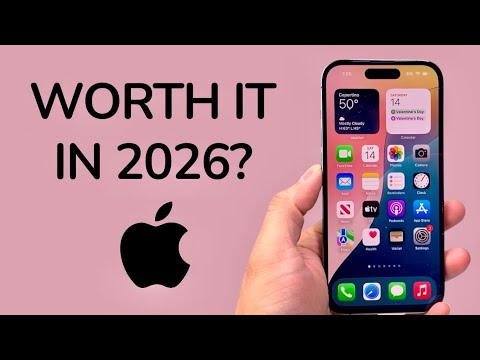
In the rapidly evolving landscape of mobile computing, evaluating a flagship from four years ago requires a shift in perspective. As we move through 2026, the iPhone 14 Pro sits at a critical junction between legacy hardware and the modern era of generative AI. While its build quality remains exemplary, the technical limitations of its A16 Bionic architecture are beginning to surface when measured against current automation and on-device machine learning standards.
Silicon Performance and AI Efficiency in 2026

The A16 Bionic chip, built on a 4nm process, was a powerhouse at launch. In 2026, it still handles standard productivity tasks with ease. However, for users focusing on AI efficiency, the 14 Pro faces a significant hurdle: the 16-core Neural Engine. While capable of 17 trillion operations per second, it lacks the dedicated memory bandwidth found in the M-series or the later A-series chips optimized for Large Language Models (LLMs). Furthermore, with only 6GB of RAM, the iPhone 14 Pro struggles with intensive multi-tasking workflows involving local AI agents and real-time image synthesis, which have become standard in iOS updates circa 2025 and 2026.
Display and Visual Automation
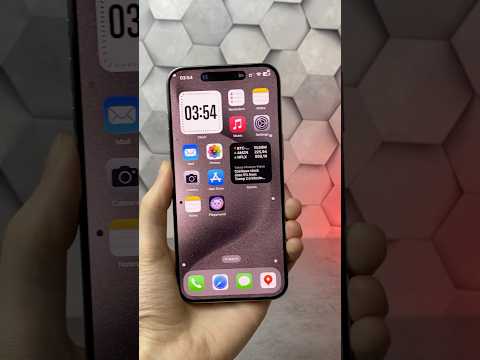
One area where the iPhone 14 Pro continues to excel is its LTPO Super Retina XDR display. The 120Hz ProMotion technology and the 2,000-nit peak brightness remain competitive even by 2026 standards. The Dynamic Island, once a novelty, is now a fully integrated component for system-wide automation alerts and "Live Activities." For developers and power users using visual automation tools, the precision of this display ensures that color-accurate workflows and high-refresh-rate UI testing remain viable on this aging hardware.
The Hardware Bottleneck: Lightning vs. USB-C
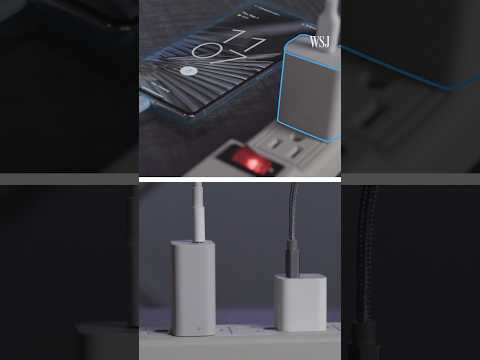
From a technical logistics standpoint, the iPhone 14 Pro is the final "Pro" model to utilize the Lightning port. In a 2026 ecosystem dominated by USB-C, this presents a friction point for data transfer speeds and peripheral connectivity. If your workflow relies on high-speed external storage for ProRes video or wired automation interfaces, the 480 Mbps limit of the Lightning connector is a severe bottleneck compared to the 10 Gbps+ speeds found on subsequent models.
AI Implementation Score
To provide a clear metric for our readers at Smart AI Fix, we have categorized the device's performance across key technological pillars for 2026:
| Category | Score (Out of 10) | Technical Note |
|---|---|---|
| On-Device LLM Processing | 5/10 | RAM constraints limit complex local model execution. |
| Computational Photography | 8/10 | 48MP sensor remains excellent for high-res data capture. |
| System Automation (Shortcuts/AI Agents) | 7/10 | A16 Bionic handles routine automation smoothly. |
| Energy Efficiency for AI Tasks | 6/10 | Higher thermal throttling compared to 3nm architectures. |
| Connectivity & Integration | 4/10 | Lightning port significantly lags behind 2026 standards. |
Verdict: Is it Worth It?

The iPhone 14 Pro in 2026 is a "Legacy Pro" device. It is a robust choice for users who prioritize premium build quality and high-end display tech at a used-market discount. However, if your goal is to leverage the full suite of AI-driven software automation and on-device intelligence that Apple has debuted in recent years, the hardware limitations—specifically the 6GB RAM and the Lightning port—make it a difficult recommendation for the technical elite. For a future-proof AI experience, the 15 Pro or newer is the mandatory baseline.
