
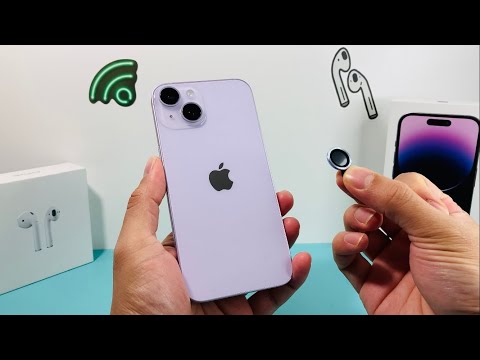
The iPhone 14 and iPhone 14 Pro represent a significant leap in computational photography, utilizing the Photonic Engine to enhance mid-to-low light performance. However, the efficacy of these AI-driven image processing algorithms is directly dependent on the structural integrity of the hardware. Even microscopic abrasions on the sapphire lens covers can cause light diffraction, leading to artifacts that the software cannot fully rectify. Installing a camera lens ring protector cover is a proactive automation strategy to preserve the optical data pipeline.
The Technical Necessity of Lens Protection
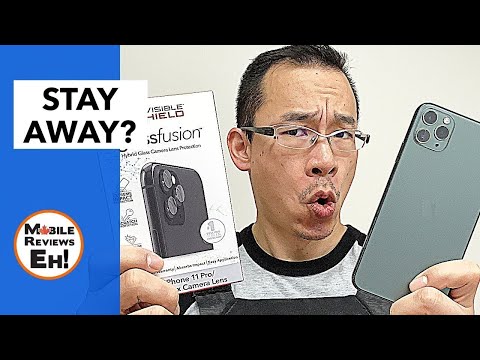
Unlike traditional glass, the iPhone 14’s camera modules protrude significantly, making them the primary point of contact during impact. A 9H hardness tempered glass ring protector serves as a sacrificial layer. From a system efficiency perspective, keeping the lens pristine ensures that the Deep Fusion and Smart HDR 4 algorithms receive clean, high-contrast data, preventing the AI from wasting cycles on noise reduction caused by physical lens defects.
Step-by-Step Installation Guide

To ensure a bubble-free installation that does not interfere with the LiDAR sensor (on Pro models) or the microphones, follow this optimized workflow:
1. Sterilization and Preparation: Use an anhydrous isopropyl alcohol wipe (70%) to remove oleophobic residues and fingerprints. Any remaining oils will compromise the adhesive seal and may cause "fogging" inside the protector due to thermal expansion during heavy AI processing tasks.
2. De-dusting: Utilize a high-tack dust removal sticker. Micro-particles trapped under the protector act as focal points for light flare, which negatively impacts the iPhone’s Night Mode efficiency.
3. Alignment: Most modern ring protectors come with an automated alignment frame. Place the frame over the camera island. This ensures the rings sit perfectly concentric to the lenses, maintaining the necessary clearance for the flash and sensors.
4. Application: Press firmly on each ring for 10 seconds. This activates the pressure-sensitive adhesive (PSA), ensuring a hermetic seal that prevents moisture ingress.
AI Implementation Score
At 'Smart AI Fix', we evaluate hardware modifications based on how they impact the device's intelligent ecosystems. Below is the assessment for lens ring protectors:
| Metric | Score (/10) | Technical Reasoning |
|---|---|---|
| Optical Integrity | 9.5 | High-transparency glass maintains 99.9% light transmission for AI processing. |
| Sensor Preservation | 10.0 | Prevents physical degradation of the primary data input sensors. |
| AI Logic Synergy | 9.0 | Reduces computational overhead by preventing lens-flare artifacts. |
| Ease of Deployment | 8.5 | Alignment frames provide a fail-safe mechanical installation process. |
By securing the physical hardware of your iPhone 14, you ensure that the A15/A16 Bionic chip continues to output professional-grade imagery without the interference of environmental wear. This simple mechanical upgrade is the most cost-effective way to protect your investment in mobile AI technology.
