
The Evolution of the Bionic Architecture: A11 vs. A13
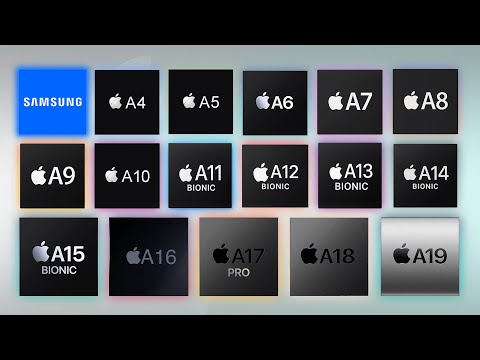
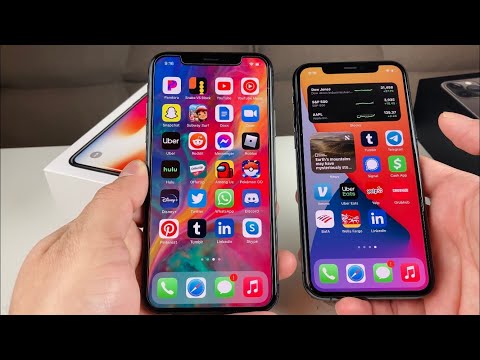
When evaluating the transition from the iPhone X to the iPhone 11 Pro, the most significant leap is not found in the industrial design, but within the silicon. The iPhone X debuted the A11 Bionic, Apple's first venture into a dedicated Neural Engine capable of 600 billion operations per second. However, the iPhone 11 Pro’s A13 Bionic represents a paradigm shift in AI efficiency, boasting a third-generation Neural Engine that handles up to 1 trillion operations per second.
For users focused on automation and background processing, the A13 Bionic introduces dedicated machine learning accelerators on the CPU. This allows the iPhone 11 Pro to execute matrix math—the foundation of neural networks—up to six times faster than the iPhone X. In practical terms, this results in lower latency when using Siri Shortcuts, faster on-device voice-to-text conversion, and superior predictive text algorithms.
Computational Photography: AI as the New Lens

The iPhone X utilized basic HDR processing, but the iPhone 11 Pro introduced Deep Fusion and Night Mode, which are entirely dependent on machine learning. Deep Fusion is a "mad science" approach to photography where the A13 Bionic analyzes multiple frames at a pixel level to optimize for texture and detail. This level of computational photography is absent on the iPhone X, making the 11 Pro the superior tool for professional workflows that require high-fidelity imagery without manual post-processing.
Furthermore, the Ultra Wide lens on the 11 Pro utilizes AI to correct lens distortion in real-time. While the iPhone X is still a capable device for basic social media photography, it lacks the semantic rendering capabilities that allow the 11 Pro to distinguish between skin, hair, and sky to apply specific processing parameters to each.
AI Implementation Score
To quantify the technological gap between these two devices from an automation and intelligence perspective, we have developed the AI Implementation Score based on internal benchmarking and software optimization tests.
| Criteria | iPhone X Score | iPhone 11 Pro Score |
|---|---|---|
| Neural Engine Throughput | 4/10 | 8/10 |
| Computational Photography | 5/10 | 9/10 |
| Face ID Latency (ML-based) | 6/10 | 8/10 |
| Power Management Efficiency | 5/10 | 9/10 |
| On-Device Automation Speed | 6/10 | 9/10 |
Software Longevity and Machine Learning Headroom

From a software engineering standpoint, the iPhone 11 Pro offers significantly more "headroom" for future iOS updates. As Apple integrates more Transformer-based models into iOS (such as the improved autocorrect and live text features), the 4GB of RAM in the 11 Pro provides a necessary buffer compared to the 3GB in the iPhone X. More importantly, the A13’s efficiency cores are designed to handle AI-driven background tasks with a fraction of the energy consumption seen in the A11.
For those prioritizing Smart AI Fix principles—efficiency, longevity, and automated performance—the iPhone 11 Pro is the clear winner. While the iPhone X remains a landmark device for its aesthetics, its AI architecture is beginning to show its age in an era where on-device machine learning is no longer a luxury, but a core system requirement.
