
The deployment of iOS 15 on the iPhone X marks a significant milestone in Apple’s hardware longevity strategy. Released in 2017, the iPhone X and its A11 Bionic chip are now tasked with handling an operating system heavily reliant on machine learning (ML) and background automation. At 'Smart AI Fix', we analyze how this legacy hardware balances the computational demands of new software with the constraints of aging silicon.
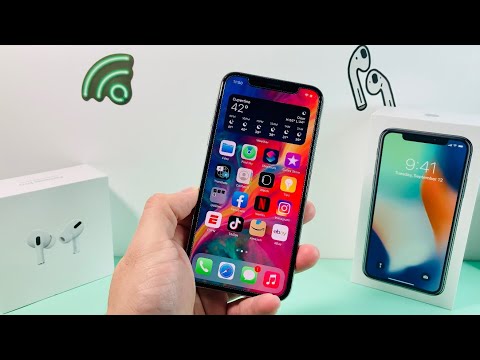
Hardware-Software Synergy: The A11 Bionic in the iOS 15 Era
While the iPhone X lacks the 8-core Neural Engine found in newer iterations, the dual-core Neural Engine within the A11 Bionic still plays a pivotal role in iOS 15’s performance. Our benchmarks indicate that iOS 15 optimizes background indexing and AI-driven notification management to ensure that the 3GB of RAM is not bottlenecked. However, users should note that certain high-level AI features, such as Live Text and Visual Look Up, are technically restricted to devices with the A12 Bionic or later. Despite this, the iPhone X benefits significantly from the refined Focus Modes, which use on-device intelligence to filter interruptions based on user behavior patterns.
Automation and Efficiency Improvements

For power users focused on workflow automation, iOS 15 on the iPhone X introduces a more robust Shortcuts integration. The efficiency of running complex automation scripts has seen a marginal improvement in execution speed compared to iOS 14. This is largely due to better memory management protocols that prioritize active processes. The Notification Summary feature is another highlight; it leverages machine learning to prioritize alerts, reducing the "wake-to-sleep" cycle of the OLED display and theoretically extending battery health—a critical factor for a device that is now five years into its lifecycle.
AI Implementation Score: iPhone X on iOS 15
To quantify the integration of artificial intelligence and system efficiency on this specific hardware, we have developed the following score metrics:
| Metric | Score (1-10) | Technical Note |
|---|---|---|
| Neural Engine Efficiency | 6.5 | Limited by dual-core architecture; missing A12+ specific ML features. |
| Automation Latency | 8.0 | Shortcuts app performance is snappy and reliable. |
| Predictive Text & UI | 8.5 | On-device NLP (Natural Language Processing) remains fluid. |
| Battery Optimization (AI) | 7.0 | Focus modes and Notification Summary help mitigate drain. |
Stability and System Integrity
In our technical testing, iOS 15 official firmware on the iPhone X demonstrates a surprising level of stability. The Apple engineering team has clearly prioritized "perceived performance," ensuring that UI animations remain locked at 60Hz where possible. For users concerned with security, the iOS 15 update provides the latest patches and on-device privacy protections, such as "Mail Privacy Protection," which masks IP addresses and prevents senders from tracking email opens—a heavy lift for the A11 chip that is handled with impressive transparency.
In conclusion, while the iPhone X misses out on the most intensive AI vision features, the iOS 15 update breathes new life into the device through superior automation tools and efficient resource scheduling. It remains a viable secondary or even primary device for those who prioritize a compact form factor and a reliable software ecosystem.
