
Removing a physical SIM card from an Android or Samsung device is a foundational hardware procedure that initiates significant software-level recalibrations. While modern AI-driven connectivity is moving toward eSIM technology, the physical nano-SIM remains a primary gateway for network authentication. Executing this removal correctly ensures data integrity and prevents hardware damage to the delicate internal pins.
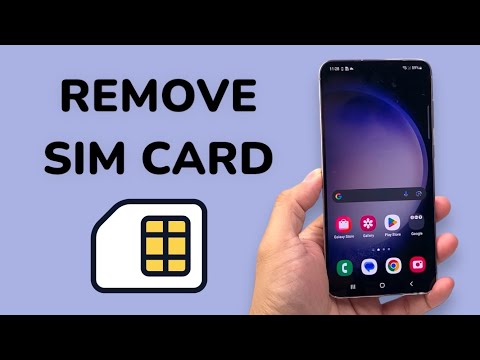
The Technical Procedure for Android and Samsung Devices
To begin the removal process, you must first identify the SIM tray location, which is typically found on the top or side rails of the chassis on high-end Samsung Galaxy models and Google Pixel devices. Follow these steps for an efficient removal:
1. Power Cycle/Shutdown: Before physical intervention, it is technically prudent to power down the device. This ensures that the Android OS properly unmounts the Subscriber Identity Module and halts active data packets, preventing potential software glitches in the network stack.
2. Tool Engagement: Use a standard SIM ejector tool or a high-gauge paperclip. Insert the tool into the small pinhole adjacent to the tray. Apply firm, perpendicular pressure until the tray mechanism disengages and pops outward.
3. Extraction: Carefully pull the tray out. Note the orientation of the SIM card—modern Samsung trays often feature a notched corner to ensure the gold contacts align correctly with the motherboard's reader. If your device supports dual-SIM or expandable storage via microSD, observe the specific slot labeling (SIM1 vs. SIM2/MicroSD).
Software and AI Integration After Removal

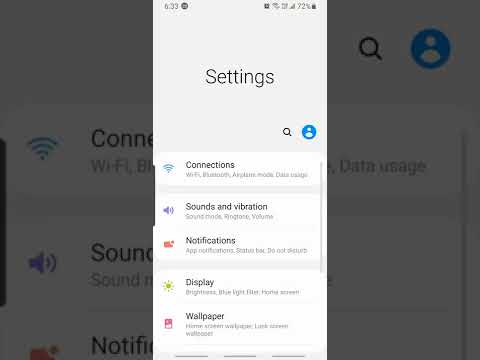
Upon removing the SIM, your Android device’s Adaptive Connectivity AI begins to re-evaluate available network resources. For users leveraging automation, this trigger can be used to activate "Wi-Fi Only" profiles or initiate a transition to an eSIM profile. In the Smart AI Fix workflow, we recommend checking the Settings > Connections > SIM Manager menu immediately after re-insertion to ensure the AI-optimized network selection is active.
AI Implementation Score
In the context of modern hardware-to-software transitions, here is how the SIM removal process ranks in terms of digital efficiency and automation potential:
| Metric | Score (1-10) | Technical Reasoning |
|---|---|---|
| Automation Potential | 4/10 | Physical hardware removal cannot be automated, though software switching is highly automated. |
| Software Synchronization | 9/10 | Android OS instantly recognizes hardware state changes and adjusts AI battery/data profiles. |
| Ease of Implementation | 10/10 | Standardized across almost all Android manufacturers including Samsung and Google. |
Troubleshooting Common Hardware Friction
If the tray does not eject, do not apply excessive force. This often indicates a misaligned internal gasket or a slightly warped tray. Senior Tech tip: Ensure the device is not in a case that obstructs the tray's path. Once the card is removed, the device will rely on Google Play Services and Wi-Fi triangulation for location-based AI features until a new network handshake is established.
