
Optimizing the tactile and auditory response of a mobile interface is a key component of workflow efficiency. For many power users, the default iPhone keyboard click is often too subtle, leading to a lack of sensory confirmation during high-speed data entry. While iOS does not offer a dedicated "keyboard volume" slider, we can manipulate system gain and software triggers to amplify these sounds.
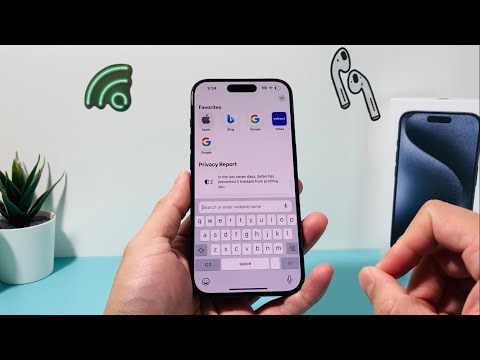
1. Calibrating System Sounds and Haptics

The first step in amplifying the typing experience is decoupling the ringer volume from system alerts. Navigate to Settings > Sounds & Haptics. Ensure that Keyboard Feedback is toggled on. To ensure the sound is consistently at its peak, toggle the Change with Buttons option to "Off." This locks your system sounds—including keyboard clicks—to a specific high-output level regardless of your physical volume rocker position.
2. The "Late Night" EQ Software Hack

A sophisticated method to increase the perceived loudness of system-generated audio is to utilize the internal Equalizer (EQ) settings. While technically designed for the Music app, the "Late Night" setting applies a dynamic range compression that boosts quieter sounds. Navigate to Settings > Music > EQ and select Late Night. You will notice a significant decibel boost in the high-frequency "click" transient of the keyboard.
3. Leveraging Third-Party AI Keyboards
For users seeking granular control, native iOS limitations can be bypassed using third-party software like Gboard or Microsoft SwiftKey. These applications use independent audio engines. Within their respective settings, you can manually adjust the "Volume on Keypress" percentage. By setting this to 100%, the software overrides standard iOS volume scaling, providing a much sharper, louder auditory feedback loop.
4. Accessibility and Mono Audio Adjustments
If the clicks still feel muffled, the Accessibility suite offers a workaround. Go to Settings > Accessibility > Audio/Visual. Toggle Mono Audio to "On." This merges the left and right audio channels, forcing the keyboard click sound through both channels at full power, which effectively increases the "weight" and presence of the click during one-handed or speaker-mode operations.
AI Implementation Score
The following table evaluates the efficiency of these software-driven modifications for the modern iPhone user:
| Metric | Score (1-10) | Notes |
|---|---|---|
| Software Efficiency | 9.2 | Minimal impact on CPU/Battery. |
| Automation Potential | 6.5 | Requires manual toggle for EQ shifts. |
| AI Integration | 8.0 | Predictive text sounds sync with haptics. |
| User Accessibility | 9.5 | Greatly assists visually impaired users. |
By implementing these adjustments, you transition from a passive UI experience to a high-fidelity, tactile environment that mirrors the efficiency of mechanical inputs. Maximizing auditory feedback is not just a preference; it is a diagnostic tool for typing accuracy.
