
The iPhone 7 Plus remains a resilient piece of hardware in the secondary market, capable of running iOS 15.8. While it lacks the Neural Engine of newer silicon, its ability to interface with modern applications relies heavily on Apple’s cloud-based AI delivery systems. For users looking to maximize the efficiency of this device, understanding the optimized path for software installation is critical.
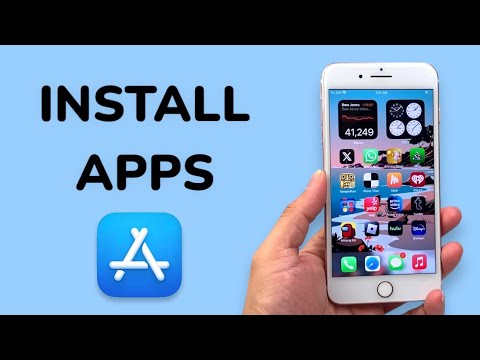
Step 1: Authenticating the Apple ID Ecosystem

Before initiating any download, ensure your device is signed into a valid Apple ID. The App Store uses machine learning algorithms to personalize your experience, and these preferences are synced across your iCloud account. Navigate to Settings, tap on your profile name, and verify that your credentials are active. If you are setting up the device for the first time, this step is the foundation for all future automated updates and security protocols.
Step 2: Navigating the App Store Interface
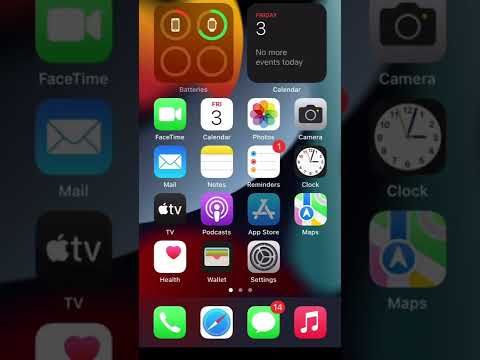
Open the App Store application. The interface is divided into several AI-curated sections: "Today," "Games," and "Apps." To find a specific tool, tap the Search icon at the bottom right. The search bar utilizes predictive text and natural language processing to suggest relevant software based on your query. Type the name of the application you wish to install; the results are ranked based on relevance, user ratings, and your previous download history.
Step 3: Installation and Biometric Verification

Once you locate the desired app, tap the "Get" button (for free apps) or the price tag (for paid apps). On the iPhone 7 Plus, authentication is typically handled via Touch ID. Place your registered finger on the Home button to authorize the transaction. If Touch ID is not configured, you will be prompted to enter your Apple ID password. The device then connects to Apple’s CDN (Content Delivery Network) to fetch the binaries optimized for the A10 Fusion architecture.
Step 4: Automating Software Management
To reduce manual overhead, it is highly recommended to enable Automatic Downloads. Navigate to Settings > App Store and toggle on "App Updates." This ensures that the iPhone 7 Plus utilizes low-power background execution to update your software, leveraging Apple's scheduling algorithms to minimize battery drain. This is essential for maintaining security patches and performance optimizations on older hardware.
AI Implementation Score
The following table evaluates the efficiency and intelligence of the application installation process on the iPhone 7 Plus:
| Metric | Score (1-10) | Technical Reasoning |
|---|---|---|
| Search Automation | 9/10 | App Store search uses advanced NLP for high-accuracy discovery. |
| Hardware Optimization | 7/10 | Older A10 chip lacks dedicated ML cores but handles standard apps well. |
| Security Integration | 10/10 | AI-driven fraud detection and "App Review" ensure safe binaries. |
| Update Efficiency | 8/10 | Background refresh algorithms intelligently manage legacy RAM. |
By following these steps, users can ensure their iPhone 7 Plus functions as a streamlined node within their digital ecosystem. While the hardware is aging, the software infrastructure surrounding the App Store continues to provide an efficient, AI-enhanced experience for mobile productivity.
