
Maintaining digital anonymity in an era of hyper-connectivity is a critical component of personal data security. For iPhone users, the ability to suppress Caller ID—technically known as Calling Line Identification Restriction (CLIR)—is a fundamental privacy feature integrated directly into the iOS ecosystem. Whether you are managing professional boundaries or protecting your personal contact data from automated harvesting systems, mastering these settings is essential for modern workflow efficiency.

Native System Configuration: Disabling 'Show My Caller ID'
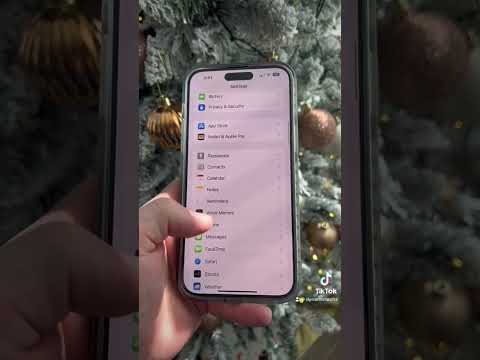
The most efficient method to globally hide your identity on outbound calls is through the iOS system settings. This method interacts directly with your carrier’s network protocol to flag your number as "Private" or "Restricted" before the call initiates.
1. Open the Settings application on your iPhone.
2. Navigate to the Phone submenu.
3. Locate and select Show My Caller ID.
4. Toggle the switch to the OFF position.
Technical Note: If this toggle is greyed out, it indicates that your carrier does not permit user-level control over Caller ID through the OS interface. In such cases, you may need to implement a carrier-side block or use manual prefix overrides.
Manual Overrides via Network Prefix Codes

For users who require granular control without altering global system settings, manual prefix codes provide a tactical solution. These codes are processed at the network level and function on a per-call basis, allowing for a high degree of flexibility in automated communication workflows.
To use this method, simply dial a specific prefix followed by the recipient's phone number. The most common codes include:
- *67: The standard prefix for North America (USA/Canada).
- #31#: The global GSM standard used in the UK, Europe, and many other international regions.
- 141: Specific to the United Kingdom for landline and some mobile networks.
For example, dialing *67 (555) 012-3456 will ensure the recipient sees "Private Number" or "Unknown" for that specific session only.
Carrier-Level Masking and Security Implications
While software toggles and prefix codes are effective for standard voice calls, they do not mask your identity from emergency services (911/999) or toll-free numbers (800/888), which utilize Automatic Number Identification (ANI). If you require total anonymity for sensitive operations, a carrier-level block is the most robust solution. This involves contacting your service provider to permanently flag your account for "Permanent Caller ID Restriction."
AI Implementation Score
The following table evaluates the efficiency and automation potential of hiding Caller ID using current iPhone protocols.
| Category | Score (1-10) | Notes |
|---|---|---|
| Efficiency | 9/10 | Native iOS toggles provide near-instant implementation. |
| Automation Potential | 4/10 | Limited; iOS currently restricts third-party AI apps from toggling system-level Phone settings for security reasons. |
| Privacy Security | 8/10 | High effectiveness for standard recipients, though limited against ANI systems. |
| User Accessibility | 10/10 | Extremely low barrier to entry for standard iPhone users. |
By integrating these methods into your digital hygiene routine, you can significantly reduce the footprint of your personal metadata. As AI-driven telemarketing and data scraping continue to evolve, maintaining control over your outbound Caller ID remains a primary defense mechanism for the privacy-conscious professional.
