
Identifying whether an iPhone is blacklisted is a mission-critical step in hardware procurement and security auditing. A blacklisted device, often referred to as being on the "negative file," is an iPhone that has been reported as lost, stolen, or associated with unresolved financial obligations. In the modern era, this verification process has shifted from manual carrier inquiries to automated AI-driven database lookups that provide real-time status updates.
Understanding the IMEI and Global Databases
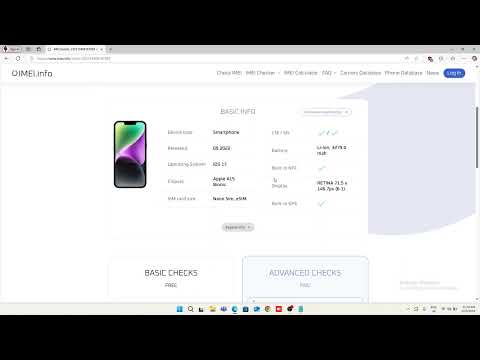
The core of the blacklisting system is the IMEI (International Mobile Equipment Identity) number. This unique 15-digit identifier acts as the digital fingerprint of the device. When a device is blacklisted, its IMEI is uploaded to a centralized database managed by the GSMA. Network providers use automated algorithms to scan these databases; if a match is found, the device is denied access to cellular frequencies, rendering it a "brick" for communication purposes.
Step 1: Extracting the Digital Fingerprint (IMEI)
To initiate an automated check, you must first retrieve the identifier. On any functional iPhone, navigate to Settings > General > About and scroll down to locate the IMEI. For devices that cannot be powered on, the IMEI is frequently etched on the SIM tray or the back of the device (on older models). For a more efficient workflow, connect the device to a computer and use software like Apple Configurator or iTunes to copy the string directly.
Step 2: Utilizing AI-Powered Verification Tools

Manual verification through carrier support is inefficient. Modern tech professionals utilize automated IMEI checking platforms that leverage AI to cross-reference multiple global databases simultaneously. Platforms such as the CTIA Stolen Phone Checker or Swappa’s GSMA-integrated tool provide instant results. By inputting the IMEI, these systems run a script through the global blacklist, financing status, and iCloud Activation Lock status to return a comprehensive "Clean" or "Blacklisted" report.
The AI Implementation Score
To understand the technical efficiency of these verification methods, we have categorized the process based on our internal AI Implementation Score:
| Metric | Score (1-10) | Description |
|---|---|---|
| Database Sync Speed | 9/10 | Near-instant updates across global carrier nodes. |
| Automation Capability | 8/10 | APIs allow for bulk checking via custom software scripts. |
| Diagnostic Accuracy | 9.5/10 | AI algorithms minimize false positives in GSMA reporting. |
| User Accessibility | 10/10 | Web-based interfaces simplify complex database queries. |
Resolving a Blacklisted Status via Software
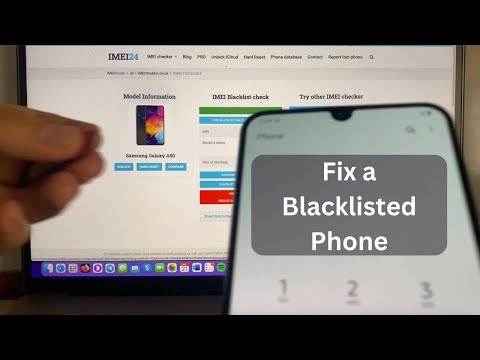
If a check returns a blacklisted status, the solution is rarely found in software patches or "unlocking" scripts. Because the block exists at the network registry level, software-based bypasses are temporary and often violate security protocols. The only legitimate resolution is to automate a contact request with the original carrier to verify if the blacklisting was a clerical error or if a financial settlement can clear the IMEI record. Using automation tools to track the "unbarring" process ensures that your hardware remains compliant within the global ecosystem.
