
In an era where digital footprints are meticulously tracked, the ability to control outbound metadata—specifically your mobile station international subscriber directory number (MSISDN)—is a critical component of personal and professional privacy management. Masking your caller ID is no longer just a "hidden feature"; it is a functional requirement for professionals using automation and AI-driven communication tools to maintain a layer of abstraction between their private hardware and public-facing interactions.
Native System Configuration: iOS and Android

Both major mobile operating systems provide direct access to the CLIR (Calling Line Identification Restriction) protocol. On an iPhone, this is managed via the core telephony settings. Navigate to Settings > Phone > Show My Caller ID. Toggling this switch off sends a command to your carrier’s HLR (Home Location Register) to suppress your number on outbound packets. On Android, the path typically involves the Phone App > Settings > Supplementary Services (or Calling Accounts) > Show Caller ID. Note that this is a network-dependent feature; if your carrier has locked the CLIR settings, the toggle may appear greyed out.
Vertical Service Codes: The *67 Protocol
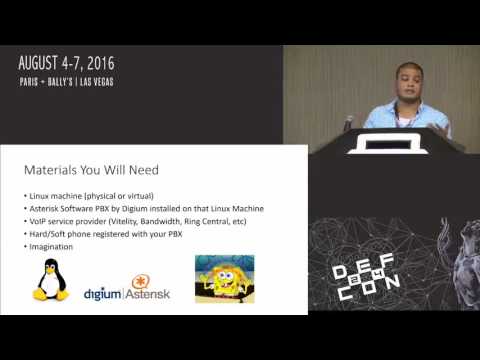
For those requiring a non-permanent, on-demand masking solution, Vertical Service Codes (VSCs) remain the most efficient technical bypass. Prefixing a dial string with *67 (in North America) or #31# (globally/GSM standard) instructs the switching office to flag the call as "Private" or "Anonymous" for that specific session. This method is highly effective for automated scripts or CRM integrations where a developer might want to programmatically hide the origin of a callback without altering global device configurations.
Software-Defined Telephony and Virtual Layers
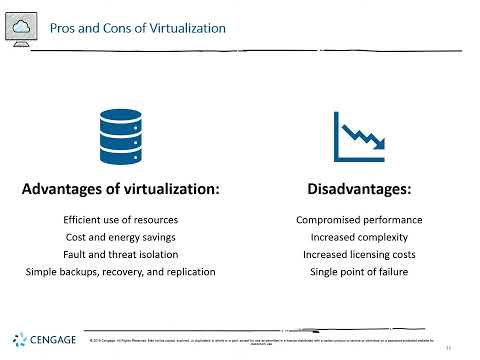
Beyond simple masking, Smart AI Fix recommends moving toward software-defined telephony. Utilizing services like Google Voice, Burner, or Twilio allows for the implementation of a "Proxy Number." This architectural approach uses an API to route calls through a secondary gateway. When you initiate a call, the AI-driven backend masks your real SIM identity and presents a verified virtual number to the recipient. This is the gold standard for automation workflows, as it allows for logging, recording, and AI-driven transcription without exposing the primary hardware identifier.
AI Implementation Score
To evaluate the efficiency of these masking methods, we have graded them based on security, automation potential, and reliability.
| Method | Ease of Use | Automation Potential | Privacy Strength |
|---|---|---|---|
| Native Settings | High | Low | Moderate |
| VSC (*67) | Moderate | High (via API) | High |
| VoIP/AI Proxy | Moderate | Extreme | Critical |
Security and Ethical Considerations

While masking your identity is a powerful tool for privacy protection and reducing unsolicited return calls, it is important to recognize that metadata is never truly "invisible" to emergency services (E911) or law enforcement. Furthermore, many modern AI-powered spam filters automatically reject "Private" or "Unknown" callers. For optimal communication efficiency, utilizing a professional virtual number is often superior to a total mask, as it maintains the integrity of the handshake between the caller and the recipient's AI screening tools.
