
The quest to find call recordings on an iPhone often leads users down a complex path, primarily due to Apple's stringent privacy and security protocols. Unlike some other mobile operating systems, iOS does not natively support call recording functionality. This architectural decision, while bolstering user privacy, necessitates a deep understanding of third-party applications, data storage paradigms, and, in some cases, advanced data forensics to locate any recorded conversations. As a Senior Technical SEO Expert, my objective is to demystify this process, guiding you through the technical intricacies involved. Adopting a 'Smart AI Fix' mindset here means approaching the problem with an informed understanding of iOS limitations and the specific mechanisms required for data retrieval.
| Difficulty Level | Tools Needed | Estimated Time |
|---|---|---|
| Medium to High (depending on method) | iPhone, Computer (PC/Mac), Third-party Call Recording Apps, Data Recovery Software, iTunes/Finder, iCloud access | 30 minutes to several hours |
Understanding iOS Call Recording Limitations
Native iOS Restrictions
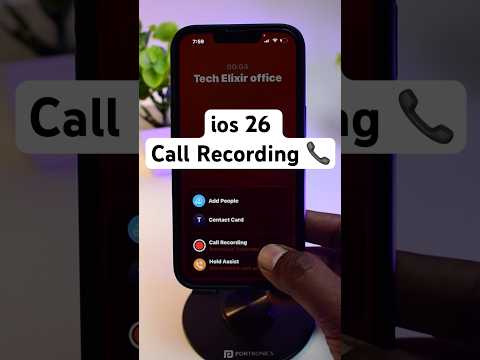
Apple's iOS platform is designed with a strong emphasis on security and user privacy. A core aspect of this philosophy is the absence of a direct API that allows applications to access the microphone during an active phone call initiated through the cellular network. This means that a standard, background recording of phone calls, as might be possible on some Android devices, is simply not feasible within the default iOS ecosystem. Any attempt to bypass this usually involves highly technical workarounds or significant alterations to the operating system, often with security implications.
The Privacy-Security Paradigm
This restriction isn't arbitrary; it's rooted in a fundamental privacy-security paradigm. Unilateral call recording can have significant legal implications across various jurisdictions, and Apple's design decision reflects a global stance on user consent and data protection. Therefore, finding "native" call recordings is fundamentally impossible unless a specific, non-standard method was employed.
Identifying Potential Sources of Recorded Calls
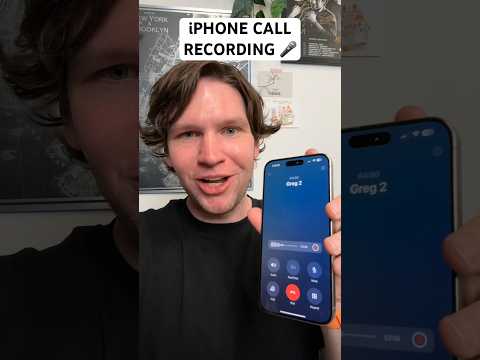
Given the native limitations, any existing call recordings on an iPhone will invariably stem from specific, deliberate actions taken by the user, usually involving third-party applications or services.
Third-Party Call Recording Applications
Many apps in the App Store purport to record calls. These applications generally employ one of three primary technical methods to circumvent iOS restrictions:
- Three-Way Conference Calling: This is the most common method. The app acts as a bridge, initiating a three-way call between you, the recipient, and the app's recording service. The audio stream from the conference call is then captured by the app's server. Recordings made this way are typically stored within the app's internal storage or uploaded to a cloud service managed by the app developer. To locate these recordings, you must access the specific app, navigate to its "recordings," "history," or "files" section.
- VoIP-Based Recording: Some apps provide their own Voice over Internet Protocol (VoIP) service. If you make calls through these apps (e.g., Skype, WhatsApp with specific modifications if available, or dedicated VoIP recorders), they might have built-in recording features that capture the audio directly within their sandboxed environment. The recordings would be located within that app's internal file structure, accessible only through the app itself or via a direct file export function.
- External Hardware Solutions: Less common for software-based searches, but some physical devices connect to the iPhone and record audio. These recordings would be stored on the hardware itself, not on the iPhone.
To find recordings from these apps:
- Launch the specific recording application you used.
- Look for sections like "Recordings," "My Calls," "History," "Saved," or "Files."
- Check the app's internal settings for options to "Export" or "Share" recordings.
- If the app utilizes cloud storage, log into the associated cloud service (e.g., Dropbox, Google Drive, or the app's proprietary cloud) on a computer or web browser.
Carrier-Based Call Recording Services
While rare for individual consumers, some telecommunications carriers offer business-grade call recording services. If you are part of an organization that utilizes such a service, recordings are typically stored on the carrier's servers, accessible via a web portal or specific client software. Accessing these requires administrative credentials provided by the service provider.
Voicemail Recordings
Visual Voicemail is a native iOS feature that technically stores audio recordings (voicemails) on your device. These are not live call recordings but messages left for you. To access them:
- Open the Phone app.
- Tap the Voicemail tab at the bottom right.
- Individual voicemails can be played, saved, or shared. Tapping on a voicemail usually reveals options to "Share" (via Messages, Mail, AirDrop, etc.), allowing you to save the audio file externally.
Advanced Data Extraction & Forensics (For Technically Inclined Users)
In scenarios where recordings are accidentally deleted or are part of an app's data that is no longer directly accessible, more advanced techniques might be necessary. This moves into the realm of data recovery and forensic analysis.
iTunes/Finder Backups Analysis
When you create an encrypted backup of your iPhone using iTunes (on older macOS/Windows) or Finder (on newer macOS), a significant portion of your device's data, including app-specific data, is archived. While you cannot directly browse the backup like a file system, third-party backup extraction tools can parse these files. These tools might be able to extract audio files associated with call recording apps if they were present at the time the backup was made. Be extremely cautious with third-party tools; ensure they are reputable and respect your data privacy.
iCloud Backups
Similarly, iCloud backups store app data. However, iCloud backups are more opaque and less accessible for direct file extraction than local iTunes/Finder backups. While you can restore your iPhone from an iCloud backup, directly extracting specific files, especially deleted ones, is significantly harder without specialized forensic software that interacts with iCloud APIs, which often comes with high costs and technical complexity.
Data Recovery Software (Post-Deletion Scenarios)
If recordings were deleted, specialized iPhone data recovery software (e.g., Dr.Fone, EaseUS MobiSaver) might be able to retrieve them. These tools work on the principle that when data is "deleted," it's often only marked for overwrite and remains physically present on the flash storage until new data takes its place. Success rates vary widely and depend on factors like how much time has passed since deletion, how much new data has been written to the device, and the specifics of the storage medium. Immediate action is critical.
To use such software:
- Connect your iPhone to a computer.
- Launch the data recovery software.
- Follow the on-screen prompts to scan your device for recoverable data.
- Filter results for audio files (e.g., .m4a, .mp3, .caf).
Caveat: For optimal results, cease all iPhone usage immediately after discovering data loss to minimize the chance of overwriting the recoverable files.
Jailbreaking and File System Access (Highly Technical & Risky)
For advanced users, jailbreaking an iPhone provides root access to the iOS file system, allowing direct browsing and extraction of files that are normally inaccessible. If a third-party app stored recordings in its sandbox and those files are not encrypted, a jailbroken device could potentially allow you to manually navigate to the app's data directory and retrieve them. However, jailbreaking voids your warranty, compromises iOS security, and can lead to device instability. This method is not recommended for the average user and should only be attempted by those with a deep understanding of iOS architecture and potential risks.
Pro-Tip: Ensuring Forensic Integrity of Retrieved Audio
For recordings intended for legal or evidentiary purposes, it is paramount to establish an undisputed chain of custody and verify data integrity. Utilize tools capable of generating cryptographic hashes (e.g., SHA-256) of audio files immediately upon retrieval. This provides verifiable proof against tampering and is crucial for admissibility in many jurisdictions. Furthermore, meticulously document the entire extraction process, including timestamps, the specific software and hardware used, and any unique identifiers of the recording, to withstand forensic scrutiny.
Frequently Asked Questions (FAQ)
Can I natively record calls on my iPhone?
No, iOS does not provide a native feature or API for recording active phone calls through the cellular network due to privacy and security design principles.
Are call recording apps legal?
The legality of call recording varies significantly by jurisdiction. Some regions require "one-party consent" (only one party needs to know about the recording), while others require "two-party consent" (all parties must agree to be recorded). Always consult local laws before recording a conversation.
Does deleting an app delete its recordings?
Typically, yes. When you delete an app, its associated data stored within its "sandbox" on the iPhone is also removed. If the app uploaded recordings to its cloud service, those might persist in the cloud even after the app is deleted from your device.
Can Apple retrieve my deleted call recordings?
No, Apple does not store your call recordings on their servers (unless you specifically upload them to iCloud Drive, for instance, from a third-party app). They cannot retrieve deleted data from your device or from third-party app clouds.
Are there any free, reliable call recording apps?
While some apps offer limited free functionality, truly reliable and secure call recording services often come with a subscription fee due to the infrastructure costs involved in hosting the conference bridge and storing recordings.
Can I export Visual Voicemail as an audio file?
Yes, you can share individual Visual Voicemail messages as audio files (usually .m4a) through various apps like Messages, Mail, or save them to Files.
Is jailbreaking safe for retrieving call recordings?
Jailbreaking carries significant risks, including voiding warranties, compromising security updates, and potentially bricking your device. It should only be considered by users with extensive technical knowledge and an understanding of the associated dangers.
What file formats are iPhone call recordings typically in?
Third-party apps often use common audio formats like .m4a, .mp3, or sometimes proprietary formats. Visual Voicemail recordings are typically .m4a.
If I use a backup extractor, will it show all my deleted recordings?
Backup extractors can only retrieve data that was present on the iPhone at the time the backup was created. They cannot recover data that was deleted before the backup or data not included in the backup scope by the app.
Are there hardware devices for iPhone call recording?
Yes, there are external hardware devices that connect to the iPhone's Lightning port or headphone jack to record calls. These store recordings on their own internal memory.
How can I ensure the privacy of my recorded calls?
Always use reputable third-party applications or services with strong encryption and clear privacy policies. Avoid sharing recordings without explicit consent from all parties involved, and be mindful of where the app stores your data (local vs. cloud).
Conclusion
Locating call recordings on an iPhone is far from a straightforward task, primarily due to Apple's deeply ingrained security architecture and privacy-first design. Native call recording is nonexistent, meaning any existing recordings will be the result of deliberate user action involving third-party applications, carrier services, or the use of specific iOS features like Visual Voicemail. For advanced scenarios, data recovery software and forensic analysis of backups offer potential avenues, though with varying success rates and technical demands. It's crucial to understand the technical underpinnings and limitations of iOS to effectively navigate this challenge. Always remember to approach such tasks with a 'Smart AI Fix' methodology, combining technical understanding with an awareness of data integrity and legal considerations.
