
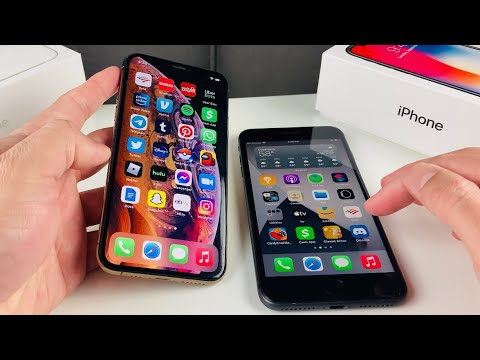
The transition between the iPhone 8 Plus and the iPhone XS represents more than just a design overhaul; it marks a pivotal shift in how Apple treats on-device machine learning and automation. While the iPhone 8 Plus was the final pinnacle of the "Classic" architecture, the iPhone XS introduced the refined 7nm process that fundamentally changed the trajectory of mobile AI efficiency.
Silicon Architecture: A11 Bionic vs. A12 Bionic
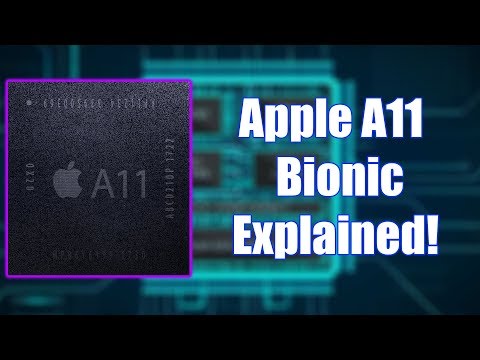
The core of this comparison lies in the Neural Engine capabilities. The iPhone 8 Plus features the A11 Bionic, Apple’s first foray into dedicated AI hardware, capable of 600 billion operations per second. While impressive at launch, it struggles with modern, heavy Core ML tasks compared to the iPhone XS. The A12 Bionic in the XS features an 8-core Neural Engine that performs a staggering 5 trillion operations per second. For users prioritizing automation and real-time data processing, the XS offers an exponential leap in computational overhead.
Display and Computational Photography

The iPhone 8 Plus utilizes a 5.5-inch Retina HD LCD, which offers color accuracy but lacks the contrast ratios necessary for high-end HDR playback. In contrast, the iPhone XS features a 5.8-inch Super Retina OLED. From an AI perspective, the XS utilizes Smart HDR, leveraging the A12’s faster sensors and Neural Engine to blend multiple frames with zero shutter lag. This automated image pipeline ensures superior dynamic range that the hardware-limited iPhone 8 Plus cannot replicate through software updates alone.
Automation and User Experience

Biometrics serve as the gateway to device automation. The iPhone 8 Plus relies on Touch ID, a physical interaction model. The iPhone XS utilizes Face ID, powered by the TrueDepth camera system. This is a form of passive AI automation; the device authenticates the user continuously and invisibly, streamlining secure workflows and password management. Furthermore, the 4GB of RAM in the XS—compared to 3GB in the 8 Plus—provides a significantly larger buffer for background processes and complex Siri Shortcuts.
AI Implementation Score
To quantify the shift in intelligence-driven performance, we have graded both devices based on their ability to handle modern AI-centric workloads.
| Metric | iPhone 8 Plus | iPhone XS |
|---|---|---|
| Neural Engine Throughput | 6/10 | 9/10 |
| Real-time AR Rendering | 5/10 | 8/10 |
| Computational Photography | 6/10 | 9/10 |
| On-Device Voice Processing | 7/10 | 9/10 |
| Workflow Automation (RAM) | 6/10 | 8/10 |
The Technical Verdict
For a technical user or developer focused on AI efficiency, the iPhone XS is the clear winner. The move to the A12 Bionic was a generational leap for machine learning tasks that still holds relevance in today's software ecosystem. While the iPhone 8 Plus remains a robust legacy device for basic tasks, its inability to handle modern Core ML 3 frameworks with the same fluidity makes it a secondary choice for those looking to maximize software automation and intelligent processing power.
