
The architectural shift from the A11 Bionic to the A12 Bionic represents a pivotal moment in mobile computing history, specifically regarding on-device AI throughput. While the iPhone 8 Plus remains a capable legacy device, the iPhone XS Max introduced a 7nm process that fundamentally altered how iOS handles automated workflows and machine learning tasks. For users integrated into the "Smart AI Fix" ecosystem of efficiency, this transition is more than just cosmetic; it is a leap in computational capability.
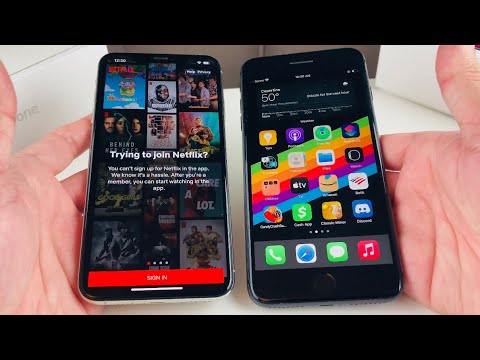
The Neural Engine Evolution: A11 vs. A12
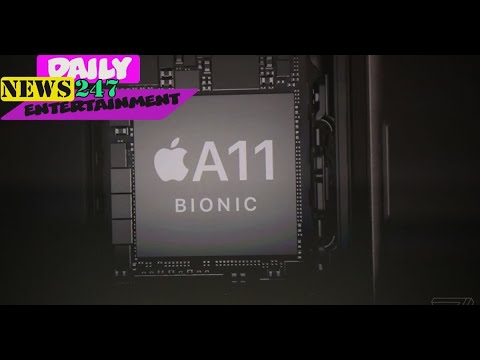
The iPhone 8 Plus features the first-generation Neural Engine, capable of 600 billion operations per second. While impressive at launch, it pales in comparison to the iPhone XS Max, which houses an 8-core Neural Engine capable of performing 5 trillion operations per second. In practical terms, this means Core ML (Apple’s machine learning framework) runs up to nine times faster on the XS Max. For users utilizing automated image recognition, real-time translation, or complex Siri Shortcuts, the latency reduction is immediately noticeable.
Computational Photography and Smart HDR

While both devices sport dual 12MP arrays, the iPhone XS Max leverages its AI-enhanced ISP (Image Signal Processor) to facilitate Smart HDR. Unlike the iPhone 8 Plus, which relies on traditional bracketed exposure, the XS Max uses semantic segmentation to identify faces, hair, and skies, adjusting highlights and shadows dynamically. The ability to adjust depth of field after the shot (Depth Control) is a direct result of the A12’s superior spatial mapping—an automation feature the A11 hardware simply cannot sustain with the same precision.
Display Logistics and UI Automation

The move from the 5.5-inch LCD on the iPhone 8 Plus to the 6.5-inch Super Retina OLED on the XS Max changes the landscape for mobile productivity. Beyond the 1,000,000:1 contrast ratio, the increased screen real estate and the removal of the physical Home button allow for more fluid gesture-based automation. For power users who script their UI interactions, the OLED’s ability to render true blacks also contributes to significant power savings when running "Dark Mode" automation scripts, increasing total daily uptime.
AI Implementation Score
To quantify the upgrade value, we have rated both devices based on their ability to handle modern AI-driven tasks in 2021.
| Metric | iPhone 8 Plus | iPhone XS Max |
|---|---|---|
| Neural Engine Throughput | 2/10 | 7/10 |
| ARKit Tracking Precision | 4/10 | 8/10 |
| Face ID / Biometric Automation | N/A (Touch ID) | 9/10 |
| On-Device Siri Processing | 5/10 | 8/10 |
| Computational Photography | 3/10 | 7/10 |
Final Technical Verdict

If your workflow relies on high-efficiency automation, real-time data processing, or heavy use of AR (Augmented Reality) applications, the iPhone XS Max is the logical upgrade. The 1GB of additional RAM (4GB vs 3GB) ensures that background processes—such as automation triggers—are less likely to be purged by the system's memory management. While the iPhone 8 Plus is a reliable workhorse for basic tasks, it is rapidly reaching the ceiling of its AI utility. For the modern tech professional, the XS Max provides the necessary overhead for future-proofing software demands.
