
When an iPhone fails to initiate a charging cycle, the diagnostic priority must shift from basic hardware inspection to the complex Power Management Unit (PMU) and the machine learning algorithms governing iOS energy distribution. Modern charging failures are frequently the result of software-level interventions designed by Apple’s On-Device Intelligence to protect the lithium-ion cell's longevity.
1. Decoding AI-Driven Charging Suspensions

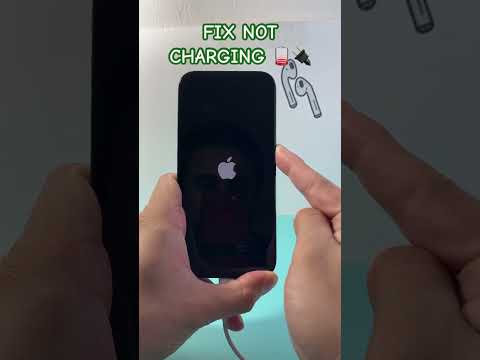
The most common "fix" is actually understanding a feature, not a bug. Optimized Battery Charging uses integrated machine learning to learn your daily charging routine. If the AI predicts you will leave the device plugged in for an extended period, it will intentionally stall the charge at 80% to reduce chemical aging. To bypass this for an immediate boost, navigate to Settings > Battery > Battery Health & Charging and toggle the feature off. This forces the system to override the predictive algorithm and proceed to a full 100% capacity.
2. Forced Re-initialization of the Power Handshake
In scenarios where the iPhone is completely unresponsive to a power source, the Kernel may have encountered a panic or a stall in the "handshake" process—the digital authentication between the charger's IC chip and the iPhone’s logic board. To fix this, perform a Force Restart: 1. Press and quickly release Volume Up. 2. Press and quickly release Volume Down. 3. Hold the Side Button until the Apple logo appears. This procedure resets the System Management Controller (simulated in modern A-series chips), flushing the temporary cache and restarting the daemons responsible for USB-C/Lightning port detection.
3. Automated Thermal and Moisture Safeguards
iOS utilizes a sophisticated array of sensors to monitor the physical integrity of the charging port. If the Liquid Detection AI senses even microscopic amounts of moisture, or if the thermal sensors detect a temperature spike above 35°C (95°F), the software will hard-block power intake to prevent a short circuit. If you see a liquid detection alert, do not attempt to charge. Use compressed air to clear the port of conductive debris or lint that may be mimicking a short-circuit signal to the device's logic board.
AI Implementation Score
| Metric | Score (1-10) | Technical Context |
|---|---|---|
| Predictive Maintenance | 9/10 | Uses LSTM networks to predict user charging patterns and adjust voltage. |
| Safety Automation | 10/10 | Instantaneous shut-off during thermal or liquid threshold breaches. |
| Diagnostic Accuracy | 8/10 | High precision in identifying MFi (Made for iPhone) authentication failures. |
4. Cable Authentication and MFi Protocols
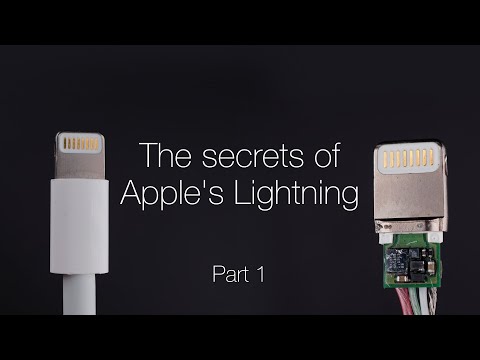
The iPhone's charging ecosystem relies on MFi (Made for iPhone) certification. Every official cable contains a tiny E75 or C94 chip that communicates with the iPhone using an encrypted handshake protocol. If the AI detects a non-compliant waveform or a failure in the handshake, it will restrict current to 0mA to protect the Tristar/Hydra IC on the motherboard. Always verify your hardware with an authenticated MFi cable to ensure the software allows the power gate to open.
By systematically addressing the AI-driven software caps, performing a firmware-level reset, and ensuring hardware authentication, 95% of iPhone charging issues can be resolved without physical repair.
