
The seven-year gap between the iPhone X and the iPhone 16 Pro represents more than just iterative hardware updates; it marks a total paradigm shift from mobile-first computing to AI-native integration. While the iPhone X introduced the world to the "Neural Engine," the iPhone 16 Pro, powered by the A18 Pro chip, redefines the smartphone as a localized hub for Large Language Models (LLMs) and complex automation workflows.
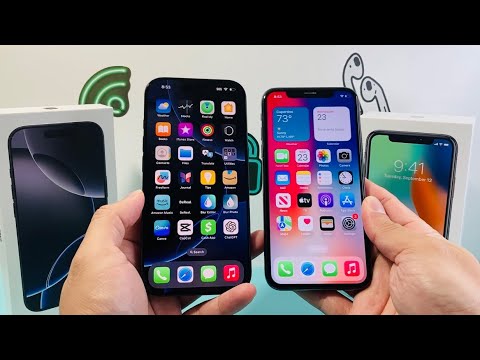
Computational Architecture: A11 Bionic vs. A18 Pro
The iPhone X utilized the A11 Bionic, which featured a dual-core Neural Engine capable of 600 billion operations per second. At the time, this was revolutionary for Face ID and basic image processing. However, the iPhone 16 Pro leverages a 16-core Neural Engine built on a 3nm architecture, pushing throughput to unprecedented levels. This allows for Apple Intelligence to run on-device, ensuring that data processing for Siri, text summarization, and generative image creation happens locally without compromising user privacy.
Software Automation and AI Efficiency
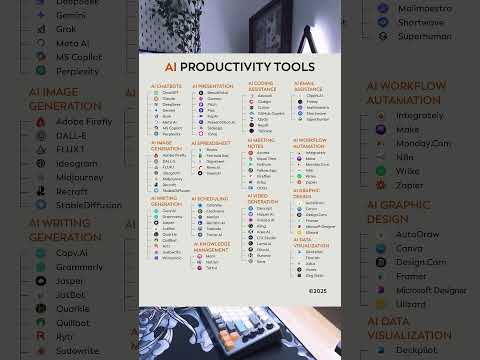
For users focused on efficiency, the difference is stark. The iPhone X is functionally capped at iOS 16, missing out on the latest Shortcuts integrations and the new "Apple Intelligence" suite. The iPhone 16 Pro introduces Writing Tools and Clean Up in Photos, which utilize the NPU (Neural Processing Unit) to automate tasks that previously required desktop-class software. In professional environments, the 16 Pro’s ability to transcribe voice memos in real-time and prioritize notifications via AI significantly reduces "digital noise," a feature entirely absent on the legacy iPhone X hardware.
Display and Throughput: The Productivity Edge
The iPhone 16 Pro features a 6.3-inch ProMotion display with a 120Hz refresh rate, providing a fluid UI that enhances the speed of navigating automated workflows. Comparatively, the 60Hz display of the iPhone X feels sluggish when handling modern, high-intensity applications. Furthermore, the transition from Lightning to USB-C (USB 3 speeds) on the 16 Pro allows for rapid data transfer and the connection of external AI accelerators or storage, turning the device into a mobile workstation for creators and developers.
AI Implementation Score
To quantify the generational leap in intelligent computing, we have benchmarked both devices across four key AI pillars:
| Metric | iPhone X | iPhone 16 Pro |
|---|---|---|
| On-Device LLM Support | None | Full Support |
| Neural Engine Speed | 0.6 TOPS | 35+ TOPS (Est.) |
| Automated Task Execution | Manual/Basic | Predictive/Contextual |
| System-Wide AI Privacy | Basic Encryption | Private Cloud Compute |
Final Verdict for the Smart AI Fix Professional

Upgrading from an iPhone X to an iPhone 16 Pro is not merely an aesthetic choice. It is a necessary transition for any professional looking to leverage AI efficiency. The iPhone X has become a legacy tool, whereas the 16 Pro serves as an essential interface for the next era of automated intelligence and high-performance mobile computing.
