
Choosing between the iPhone 16 Pro in Black Titanium and the new Desert Titanium is more than a simple aesthetic choice; it is a decision regarding the professional identity of your hardware. As we integrate more Apple Intelligence workflows into our daily routines, the physical device remains the primary interface for our automated systems. Here is a technical breakdown of how these two finishes compare in terms of build, durability, and professional application.
The Engineering Behind the Finish: PVD and Grade 5 Titanium

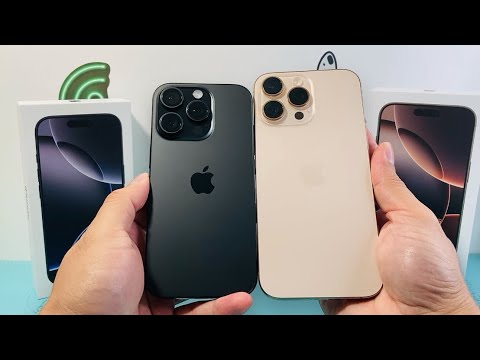
Both models utilize a Grade 5 Titanium frame bonded to an internal aluminum structure. This dual-metal approach optimizes thermal dissipation, which is critical when the A18 Pro chip is running intensive Large Language Models (LLMs) locally. The Black Titanium utilizes a deep Physical Vapor Deposition (PVD) coating that creates a stealthy, light-absorbing surface. This is ideal for developers and editors who require zero light reflection during high-focus sessions. Conversely, the Desert Titanium offers a sophisticated, sandblasted finish that leans into a bronze-gold spectrum, shifting its hue based on the color temperature of your environment.
Black Titanium: The Minimalist Workflow
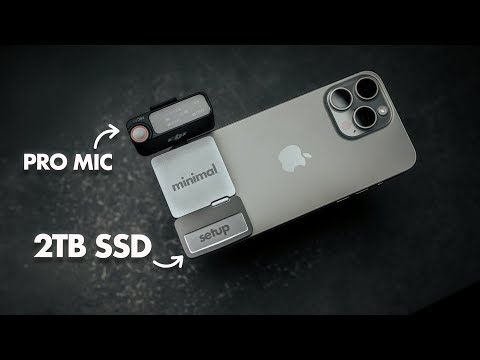
For the professional focused on AI efficiency and "invisible" tech, Black Titanium is the superior choice. It effectively hides the proximity and ambient light sensors within the Dynamic Island, creating a seamless visual field. In terms of maintenance, the darker PVD coating on the iPhone 16 Pro is remarkably resilient, though it can occasionally highlight fingerprints more than lighter shades. For those using automation scripts or monitoring server uptimes in dark mode interfaces, this finish provides the most cohesive hardware-to-software visual experience.
Desert Titanium: The Sophisticated Statement

The Desert Titanium replaces the previous Blue Titanium, marking a shift toward warmer, more organic tones. From a technical perspective, this finish is excellent at masking micro-abrasions and oils due to its lighter base. If your professional use case involves high-visibility networking or client-facing AI demonstrations, the Desert Titanium offers a premium "hero color" appeal that distinguishes the 16 Pro series from its predecessors. It reflects light in a way that highlights the new, thinner bezels, emphasizing the increased screen real estate available for multitasking.
AI Implementation Score: iPhone 16 Pro Series
While the color is a matter of preference, the underlying hardware remains the engine for your Smart AI Fix workflows. Below is the technical performance profile for these devices:
| Feature | Specification | AI Implementation Score |
|---|---|---|
| Neural Engine | 16-Core (New Generation) | 9.8/10 |
| Memory Bandwidth | 17% Increase via A18 Pro | 9.5/10 |
| On-Device Intelligence | Private Cloud Compute Ready | 10/10 |
| Thermal Efficiency | Substructure Improvements | 9.2/10 |
Conclusion: Form vs. Function
If you prioritize a device that disappears into your professional setup and reduces visual distractions during coding or automation tasks, the Black Titanium is the logical choice. If you prefer a device that highlights the cutting-edge nature of the 16 Pro hardware and maintains a cleaner look under heavy handling, the Desert Titanium stands out as the sophisticated alternative. Regardless of the color, the integration of Apple Intelligence ensures that your hardware is as efficient as your software.
