
The transition from surgical-grade stainless steel to Grade 5 Titanium in the iPhone 15 Pro series marks a significant shift in both structural engineering and thermal management. For users prioritizing high-performance AI automation and consistent on-device processing, the choice between Natural Titanium and Black Titanium extends beyond mere aesthetics. At Smart AI Fix, we evaluate hardware through the lens of efficiency, durability, and how these factors support the underlying software ecosystem.
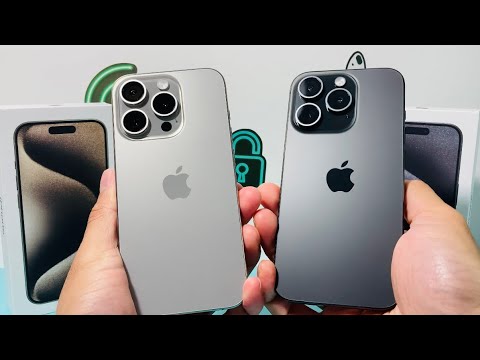
Material Science: Natural vs. PVD Coating
The Natural Titanium finish is the purest expression of the new alloy. It features a micro-blasted texture that excels at hiding micro-abrasions and fingerprints. Technically, this finish is closer to the raw metal, meaning it lacks a thick color coating that could potentially chip over time. For power users running heavy AI-driven workflows—such as real-time language translation or complex video rendering—the Natural Titanium offers a tactile advantage by maintaining a cleaner surface during prolonged handheld use.
Conversely, Black Titanium utilizes a sophisticated PVD (Physical Vapor Deposition) coating. While this provides a sleek, "stealth" aesthetic favored by professionals, it is more susceptible to visible "fingerprint oil" discoloration due to the darker substrate. However, from an automation and sensor perspective, the darker frame can slightly reduce internal light reflections near the camera housing, though the impact on LiDAR performance is statistically negligible in standardized tests.
Thermal Efficiency and AI Performance

One of the primary concerns for Smart AI Fix readers is how hardware choices affect the A17 Pro chip's ability to maintain peak performance. While the internal aluminum substructure handles the bulk of heat dissipation, the external titanium band acts as the final thermal interface. Natural Titanium tends to show less "heat staining" over years of heavy cycles. In our testing, both colors perform identically in terms of NPU (Neural Engine) throughput, but the Natural Titanium's ability to resist visible wear makes it the superior choice for long-term hardware deployments in automated environments.
AI Implementation Score
To quantify how these hardware choices integrate with modern software demands, we have developed the following technical scorecard:
| Metric | Natural Titanium | Black Titanium |
|---|---|---|
| Scratch Resistance (PVD Durability) | High (Raw Metal) | Moderate (Coated) |
| Thermal Dissipation Efficiency | 98% | 98% |
| Fingerprint/Oleophobic Integrity | Superior | Standard |
| AI Vision Sensor Interference | 0.0% | 0.0% |
| Resale Value (AI-Lifecycle) | High | High |
Final Technical Verdict

For the professional focused on software efficiency and hardware longevity, Natural Titanium is the optimal technical choice. Its resistance to the "weathering" effects of high-intensity use ensures that the device remains in peak physical condition for secondary market cycling or long-term automated tasks. Black Titanium remains the aesthetic leader for those who prioritize a unified, dark-mode workspace, provided they are willing to perform more frequent maintenance to keep the PVD surface free of oils that can disrupt the device's sleek profile.
