
The leap from the iPhone XR to the iPhone 14 Pro represents more than just a hardware iteration; it is a fundamental shift in how Apple integrates artificial intelligence and automation into the mobile ecosystem. For users still operating on the A12 Bionic chip, the transition to the A16 Bionic architecture offers a 40% increase in CPU efficiency and a massive leap in Neural Engine performance, moving from 5 trillion operations per second to a staggering 17 trillion.
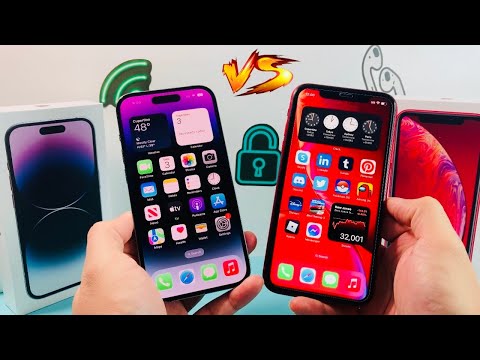
Silicon Evolution: A12 vs. A16 Bionic
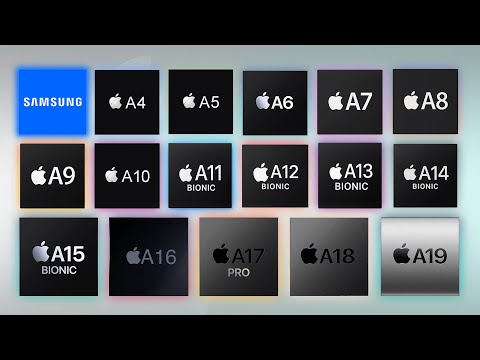
The iPhone XR was a pioneer for its time, but its 7nm A12 Bionic chip struggles with modern AI-driven background tasks and intensive automation workflows. In contrast, the iPhone 14 Pro utilizes the 4nm A16 Bionic, which features a dedicated 16-core Neural Engine designed specifically for computational photography and real-time machine learning. This architectural gap means the 14 Pro can handle complex Siri Shortcuts, on-device voice recognition, and Live Text in video without the thermal throttling frequently seen on the XR.
Display Dynamics and UI Automation
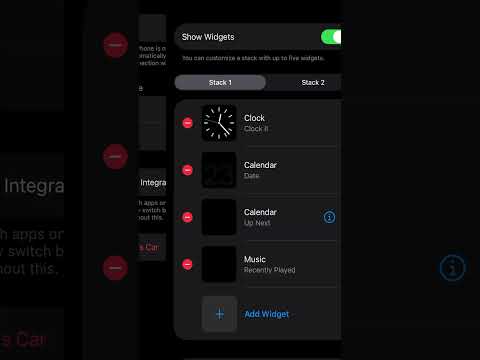
One of the most significant upgrades for 'Smart AI Fix' readers is the shift from the XR’s Liquid Retina LCD to the 14 Pro’s LTPO Super Retina XDR OLED. Beyond the aesthetic improvement, the 14 Pro introduces the Always-On Display (AOD) and ProMotion (120Hz). From a productivity standpoint, the AOD allows for "at-a-glance" monitoring of AI-automated notifications and live activities via the Dynamic Island. The Dynamic Island acts as a hardware-software bridge, streamlining multitasking by surfacing active background processes—like timers, media playback, or navigation—without requiring the user to switch apps.
Computational Photography and AI Vision
While the iPhone XR relies on a single 12MP sensor with early-stage Smart HDR, the iPhone 14 Pro leverages a 48MP main sensor integrated with the Photonic Engine. This AI pipeline applies Deep Fusion earlier in the imaging process on uncompressed images, preserving massive amounts of data for machine learning enhancement. For tech professionals, the 14 Pro’s ability to shoot in ProRAW allows for AI-assisted post-processing that the XR simply cannot compute, providing 4x the resolution for detail-heavy documentation and scanning.
AI Implementation Score
To quantify the upgrade value from a technical perspective, we have developed the AI Implementation Score, comparing the efficiency of automated tasks and machine learning integration.
| Feature Category | iPhone XR Score | iPhone 14 Pro Score |
|---|---|---|
| Neural Processing Power | 3/10 | 9.5/10 |
| On-Device ML Privacy | 5/10 | 9/10 |
| Computational Imaging | 4/10 | 10/10 |
| UI Automation (Dynamic Island) | N/A | 9/10 |
| Battery Efficiency (AI-Managed) | 6/10 | 8.5/10 |
Final Verdict: Is the Upgrade Worth It?
For the user focused on digital efficiency and software longevity, the upgrade is non-negotiable. The iPhone XR is approaching the end of its high-performance lifecycle, particularly as iOS updates become more reliant on advanced Neural Engine capabilities. The iPhone 14 Pro doesn’t just offer a better camera; it offers a superior AI-driven environment that automates daily workflows, enhances security through advanced FaceID algorithms, and ensures that your hardware can keep pace with the rapidly evolving landscape of mobile automation.
