
The iPhone 13 lineup introduced a refined palette that moves beyond standard primary colors, focusing instead on sophisticated finishes that complement its internal architecture. When evaluating the Starlight versus the Pink variant, users are choosing between two distinct visual identities powered by the same underlying A15 Bionic chip and its advanced 16-core Neural Engine. At Smart AI Fix, we analyze these choices not just through aesthetics, but through the lens of device longevity and integration into a modern, automated workflow.
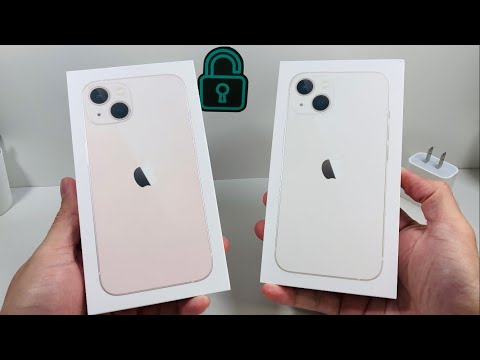
Starlight: The Versatile Neutral for AI-Driven Environments

The Starlight finish is a replacement for the traditional silver/white options. Technically, it is a warm-toned neutral that incorporates subtle champagne undertones. From a hardware maintenance perspective, the anodized aluminum frame in Starlight is exceptionally resilient against micro-abrasions. This color is ideal for professionals who utilize their devices in varied lighting conditions; the off-white hue minimizes the visual impact of fingerprints on the rear glass, a common byproduct of heavy tactile use during software testing or manual automation overrides.
Pink: Subdued Elegance and High-Contrast Visibility

The Pink variant of the iPhone 13 is a radical departure from the "Rose Gold" of previous generations. It features a soft, pastel-toned matte finish that appears almost white in overexposed environments but reveals a distinct 7-layer color application in natural light. For creators using AI-assisted video editing or augmented reality (AR) applications, the Pink chassis provides a unique tactile contrast. The color saturation is intentionally low, ensuring it remains professional while still offering a personalized aesthetic that stands out in a sea of monochrome hardware.
Hardware Integration and Computational Photography
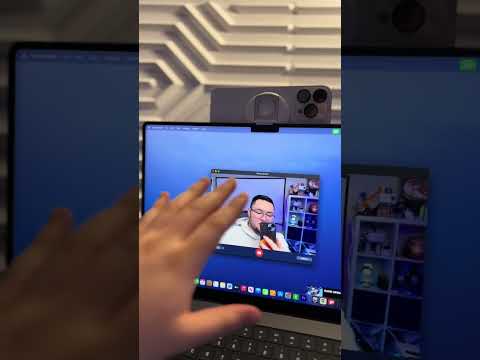
While the exterior color is a matter of preference, both devices utilize the same Dual-Camera system. The AI-driven Smart HDR 4 and Photographic Styles work identically on both models. However, when using the device for color-accurate tasks, the neutral bezel of the Starlight model provides a slightly more color-neutral reference point for the eye compared to the subtle warmth reflected from the Pink frame. For users running intensive automation scripts or background AI processes, the thermal dissipation across both aluminum frames remains consistent, ensuring the A15 Bionic maintains peak performance regardless of the exterior finish.
AI Implementation Score
To better understand how the iPhone 13 platform handles modern intelligent workloads, we have rated its core AI functionalities below:
| Metric | Efficiency Score (1-10) | Technical Notes |
|---|---|---|
| Neural Engine Throughput | 9.2 | 15.8 trillion operations per second. |
| Image Signal Processing | 8.9 | Computational photography via Smart HDR 4. |
| On-Device Automation | 9.5 | Seamless Siri Shortcuts and HomeKit integration. |
| Battery Optimization | 8.7 | AI-managed power cycles for longevity. |
Ultimately, the choice between Starlight and Pink is a decision between timeless versatility and modern personality. Both devices serve as high-performance nodes in an AI-enhanced ecosystem, providing the hardware reliability required for heavy software utilization and long-term tech sustainability.
