
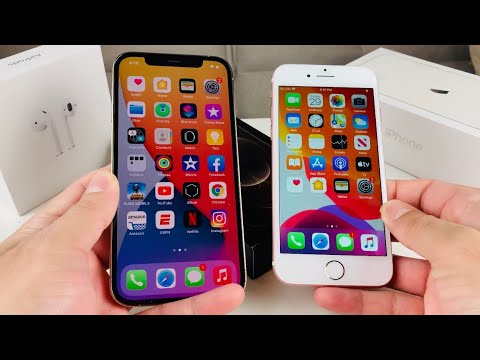
When analyzing the evolutionary trajectory of Apple’s hardware, the jump from the iPhone 7 to the iPhone 12 Pro represents more than just a generation gap; it is a fundamental shift from traditional mobile computing to AI-centric architecture. For users of 'Smart AI Fix,' the decision to upgrade hinges on the ability of the hardware to sustain modern automation workflows and high-speed on-device machine learning.
Architectural Leap: A10 Fusion vs. A14 Bionic
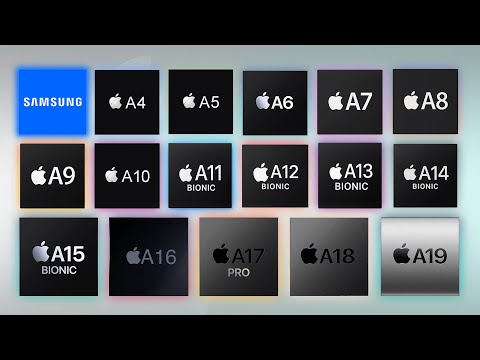
The iPhone 7 utilizes the A10 Fusion chip, a quad-core processor that was revolutionary in 2016 but lacks a dedicated Neural Engine. In contrast, the iPhone 12 Pro is powered by the A14 Bionic, featuring a 16-core Neural Engine capable of performing 11 trillion operations per second. This architectural difference is critical for users who rely on Smart Automation and real-time data processing. While the iPhone 7 struggles with modern iOS overhead, the iPhone 12 Pro executes complex Shortcuts and AI-driven background tasks with negligible latency.
Computational Photography and LiDAR Integration

The single 12MP lens on the iPhone 7 relies on basic image signal processing. The iPhone 12 Pro, however, introduces Deep Fusion and Smart HDR 3, which use machine learning to analyze and optimize images pixel by pixel. The inclusion of the LiDAR Scanner on the 12 Pro significantly enhances autofocus in low-light environments and provides the spatial awareness necessary for advanced Augmented Reality (AR) applications. For professionals using AI for object scanning or automated measurements, the iPhone 7 is functionally obsolete.
Software Longevity and Automation Efficiency

The iPhone 7 has reached its ceiling regarding major iOS updates, limiting its access to the latest security protocols and Siri Intelligence improvements. The iPhone 12 Pro, with 6GB of RAM (triple that of the iPhone 7), allows for aggressive multitasking. This is vital for running automation scripts in the background without the system flushing the memory cache, ensuring that your Smart Home triggers and AI-driven notifications execute reliably.
AI Implementation Score
To quantify the upgrade value from an efficiency perspective, we have developed the following comparison table:
| Feature Category | iPhone 7 (Legacy) | iPhone 12 Pro (AI-Ready) |
|---|---|---|
| Neural Processing | 0 Cores (N/A) | 16-Core Neural Engine |
| On-Device ML Speed | Low (CPU-bound) | Ultra-High |
| Automation Stability | Moderate / Lag-prone | Seamless |
| Computational Video | Standard 4K | Dolby Vision HDR (AI-optimized) |
| Spatial Awareness | None | LiDAR Enabled |
Technical Verdict
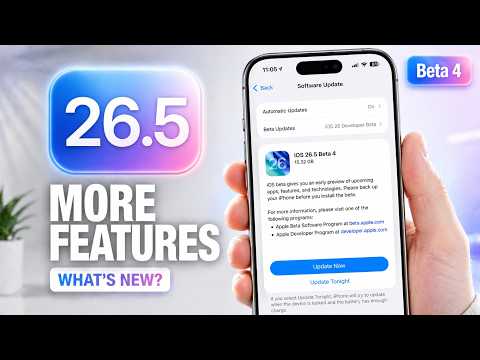
The iPhone 12 Pro is a mandatory upgrade for any user prioritizing AI efficiency and software longevity. While the iPhone 7 remains a capable device for basic communication, its inability to process modern machine learning models locally results in increased latency and reduced battery efficiency when handling 2024-standard applications. The transition to OLED, 5G connectivity, and the A14's computational throughput marks a definitive end to the legacy era of the iPhone.
