
Choosing between the iPhone 11 and the iPhone XS Max in the current landscape requires a deep dive into silicon efficiency and machine learning (ML) capabilities. While both devices remain viable, the architectural shift between the A12 Bionic and the A13 Bionic defines how these handsets handle modern automated workflows and background AI processing.
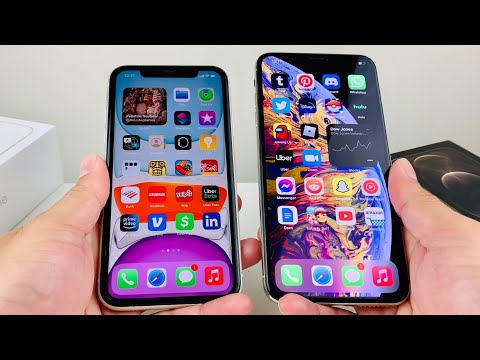
Silicon Architecture: A12 vs. A13 Bionic
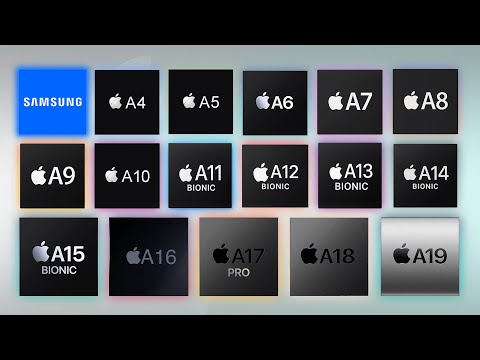
The iPhone 11 is powered by the A13 Bionic, which Apple engineered with a specific focus on machine learning. It features dedicated Machine Learning Accelerators on the CPU that allow it to perform over 1 trillion operations per second. For users prioritizing AI efficiency and software automation, the A13 is roughly 20% faster while consuming 30% less power than the A12 found in the XS Max. This translates to better sustained performance when running intensive AI-driven applications like real-time translation or automated photo indexing.
Display Technology vs. Computational Power
The iPhone XS Max retains a technical edge in hardware aesthetics with its 6.5-inch Super Retina OLED display. However, the iPhone 11 counters this with superior computational photography. The A13 chip enables Deep Fusion and a sophisticated Night Mode, both of which rely heavily on the Neural Engine to perform pixel-by-pixel processing. While the XS Max offers higher contrast ratios, it lacks the neural overhead to compete with the iPhone 11’s image signal processor (ISP) in low-light automation.
AI Implementation Score
To quantify the efficiency of these devices for modern tasks, we have developed the following score based on Core ML performance and system automation capabilities:
| Feature | iPhone 11 (A13) | iPhone XS Max (A12) |
|---|---|---|
| Neural Engine Efficiency | 9/10 | 7/10 |
| Computational Photography | 9.5/10 | 6/10 |
| On-Device Automation | 8.5/10 | 7.5/10 |
| Battery AI Management | 9/10 | 7/10 |
Software Longevity and Automation

From a Smart AI Fix perspective, software lifecycle is critical. The iPhone 11, being a generation newer, will benefit from longer iOS update support, which is increasingly focused on on-device Siri intelligence and automated Shortcuts. The iPhone 11 also includes the U1 Ultra Wideband chip, a crucial component for spatial awareness and the future of automated ecosystem interactions (like precision AirTag tracking), a feature entirely absent in the XS Max.
Final Technical Verdict

If your priority is a premium, high-resolution media consumption device, the iPhone XS Max remains a strong contender due to its OLED panel. However, for users who value software efficiency, faster ML processing, and advanced camera automation, the iPhone 11 is the superior technical investment. The A13 Bionic’s ability to handle complex AI tasks with lower thermal throttling makes it the more "future-proof" choice for the modern digital stack.
