
The AI and Software Logic Behind the Alert

Modern iOS versions use predictive software algorithms to monitor the impedance levels across the Lightning or USB-C pins. If the software detects a resistance level consistent with water or conductive liquid, it triggers an automated lockout. This is an excellent example of device-level automation acting as a first line of defense against hardware failure.
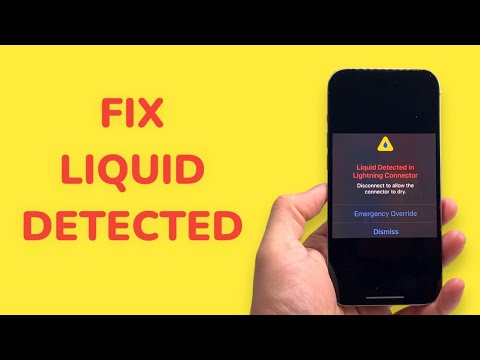
If you are receiving this message, the system has effectively "air-gapped" the power intake software-side. Here is how to handle the situation using a technical, efficiency-first approach.
Immediate Protocol for Moisture Mitigation
1. Automated Power Cut-off: The first step is already done by your iPhone. Do not attempt to force-charge the device unless it is a life-critical emergency. Disconnect all cables and accessories immediately.
2. Physical Desiccation (The Manual Phase): Tap the iPhone gently against your hand with the connector facing down to remove excess liquid. Leave the device in a dry area with airflow. Contrary to popular myths, do not use rice; the dust can interfere with the AI-calibrated sensors and cause false positives in the future.
3. Software Verification: After 30 minutes, attempt to reconnect the cable. If the Liquid Detected alert persists, the software is still sensing a bridge between the pins. Do not use a hair dryer, as excessive heat can damage the adhesive seals that maintain the phone's IP rating.
Advanced Troubleshooting: False Positives and AI Errors

Sometimes, the alert remains active due to a software glitch or debris rather than actual liquid. In these cases, Smart AI Fix methodologies suggest a system recalibration:
Force Restart: This flushes the temporary cache of the power management subsystem. Press and quickly release Volume Up, then Volume Down, and hold the Side Button until the Apple logo appears. This forces the iOS kernel to re-evaluate sensor data from a cold state.
Emergency Override: If you are certain the port is dry, iOS provides an "Emergency Override" option. This bypasses the software lockout. However, from a technical standpoint, this is high-risk; if moisture remains, the electrical current will cause rapid oxidation of the pins.
AI Implementation Score
This table evaluates the efficiency of the iOS automated moisture detection system compared to traditional hardware maintenance.
| Metric | Score (1-10) | Technical Justification |
|---|---|---|
| Automated Safety | 10 | Instantaneous power cutoff prevents immediate hardware shorts. |
| Sensor Accuracy | 9 | High-precision impedance monitoring minimizes false negatives. |
| User Interface Logic | 8 | Clear, actionable instructions provided by the OS immediately. |
| Self-Healing Potential | 7 | System relies on evaporation; no active internal drying mechanism. |
Conclusion for Tech Professionals
When dealing with "Liquid Detected" alerts, the goal is to respect the automated safety parameters set by the hardware-software integration. If the error persists for more than 24 hours in a dry environment, the issue likely transitioned from a software lockout to a physical hardware obstruction or sensor failure, requiring a professional diagnostic toolset to reset the Power Management IC (PMIC) flags.
