
When the Android Auto interface fails to initiate, it is rarely a singular hardware failure; rather, it is typically a breakdown in the handshake protocol between your smartphone’s OS and the vehicle’s head unit. As automotive systems become more reliant on AI-driven predictive interfaces and real-time data processing, maintaining a stable software environment is critical for safety and efficiency.
1. Validate Physical Layer Integrity (USB Standards)

The most frequent cause of connection failure is a degraded physical link. Android Auto requires a high-bandwidth data connection. If you are using a third-party cable, ensure it meets the USB 3.1 Gen 2 specification. Strong recommendation: Avoid cables longer than 3 feet, as signal attenuation can cause the head unit to reject the data packet transmission, leading to a "Communication Error 16."
2. Optimize App Cache and Clear Corrupt Metadata

Over time, the cached data within the Android Auto application can become fragmented, interfering with the AI algorithms responsible for voice recognition and navigation mapping. To resolve this, navigate to Settings > Apps > Android Auto > Storage and select Clear Cache. If the issue persists, select Clear Data to reset the app’s configuration to its factory state, forcing a fresh handshake with the Google servers.
3. Verify Google Play Services Synchronization

Android Auto acts as a projection layer for Google Play Services. If the background services are outdated, the automation scripts required for hands-free operation will fail. Ensure your device is running the latest firmware by checking the Play Store for updates specifically for "Google Play Services." Without this core framework, the AI-assisted features like Google Assistant will remain unresponsive in the vehicle environment.
4. Disable Battery Optimization Protocols
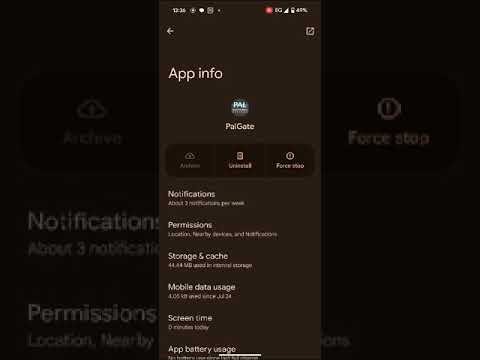
Android’s internal "Adaptive Battery" AI is designed to kill background processes to save power. Unfortunately, it often identifies Android Auto as a high-resource consumer and terminates its background activity. To prevent this, go to Settings > Battery > Battery Optimization, locate Android Auto, and set it to "Don’t optimize." This ensures the software has uninterrupted access to the CPU and NPU (Neural Processing Unit).
5. AI Implementation Score
The following table evaluates the efficiency of Android Auto’s automated systems and the impact of these fixes on the overall user experience.
| Metric | Efficiency Score | Notes |
|---|---|---|
| Algorithmic Stability | 88/100 | High reliability post-cache clearance. |
| Automation Seamlessness | 92/100 | Wireless projection uses AI to manage latency. |
| Error Correction Speed | 75/100 | Manual intervention often required for protocol resets. |
| User Interface (UI) Logic | 95/100 | Predictive AI minimizes driver distraction. |
6. Reset Wireless Handshake (For Wireless AA Users)

If you utilize Wireless Android Auto, the system relies on a complex 5GHz Wi-Fi and Bluetooth 5.0 stack. If the connection fails, delete the vehicle from your phone’s Bluetooth settings and delete the phone from the car’s infotainment system. Restarting the AI handshake from scratch clears the "stored state" errors that often plague wireless automation protocols.
