
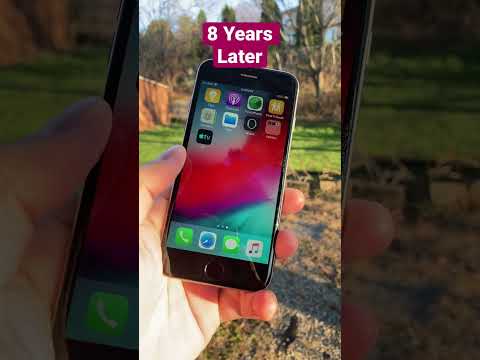
The progression of smartphone technology over less than a decade is nothing short of astounding, a testament to rapid advancements in silicon engineering, display manufacturing, and software optimization. The visual contrast highlighted in content by 'Smart AI Fix' between an iPhone 6 and an iPhone 14 Pro isn't merely aesthetic; it's a stark illustration of monumental technical leaps that have fundamentally redefined mobile computing. This article dissects the core technical disparities, illustrating how incremental innovations aggregate into a transformative user experience.
| Attribute | Detail |
|---|---|
| Difficulty Level | Medium (requires understanding of technical specifications) |
| Tools Needed | Internet access, device specification databases, benchmark comparisons (optional) |
| Estimated Time | 15-20 minutes (for comprehensive review) |
Architectural Revolution: Processor & Performance

The A8 Chip vs. The A16 Bionic
The heart of any smartphone lies in its System-on-a-Chip (SoC). The iPhone 6 was powered by the A8 chip, a dual-core 64-bit CPU with a quad-core GPU, fabricated on a 20nm process. It introduced a then-novel M8 motion coprocessor. Fast forward eight years, and the iPhone 14 Pro boasts the A16 Bionic, an SoC built on a 4nm process. This chip integrates a 6-core CPU (2 performance, 4 efficiency cores), a 5-core GPU, and a 16-core Neural Engine. This isn't just about clock speed; it's a fundamental architectural shift. The A16 Bionic offers roughly 50% faster CPU performance and a 40% faster GPU compared to its competitors at launch, let alone the A8. The raw computational power, particularly in machine learning and concurrent task handling, makes the A8 seem rudimentary.
Visual Fidelity: Display Technology
Retina HD LCD vs. Super Retina XDR OLED with ProMotion
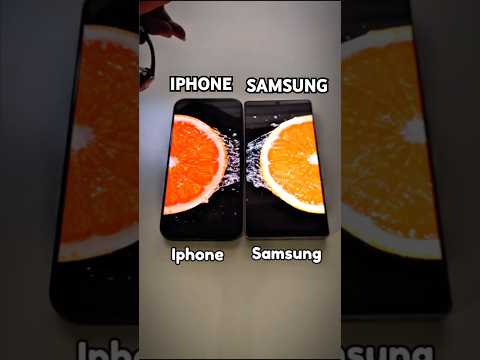
The iPhone 6 featured a 4.7-inch Retina HD display, an LCD panel with a resolution of 1334 x 750 pixels (326 ppi) and a typical brightness of 500 nits. It offered a respectable contrast ratio of 1400:1. The iPhone 14 Pro, in contrast, utilizes a 6.1-inch Super Retina XDR display with OLED technology, pushing 2556 x 1179 pixels (460 ppi). Key advancements include a peak outdoor brightness of 2000 nits, an incredible 2,000,000:1 contrast ratio, and support for HDR content. Crucially, it features ProMotion technology, allowing an adaptive refresh rate from 1Hz to 120Hz for incredibly fluid scrolling and animations, alongside an Always-On Display. This shift from LCD to OLED dramatically improves color accuracy, black levels, and energy efficiency, especially when displaying darker content.
Capturing Reality: Camera Systems
8MP Single Lens vs. 48MP Pro Camera System with LiDAR
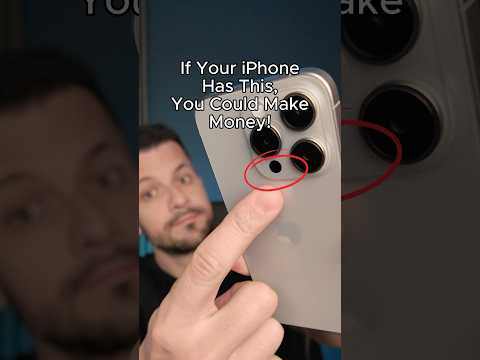
The iPhone 6 was equipped with an 8MP ƒ/2.2 iSight camera, featuring autofocus with Focus Pixels and True Tone flash. It could record 1080p HD video at 60 fps. This was groundbreaking for its time. The iPhone 14 Pro introduces a revolutionary Pro camera system: a 48MP Main camera (ƒ/1.78) with a quad-pixel sensor and second-gen sensor-shift OIS, a 12MP Ultra Wide camera (ƒ/2.2), and a 12MP Telephoto camera (ƒ/2.8). It leverages the Photonic Engine for vastly improved low-light performance, offers up to 4x optical zoom range, and records 4K video at up to 60 fps, including Cinematic Mode and ProRes video recording. The addition of a LiDAR Scanner enhances augmented reality experiences and improves autofocus in low light. The sheer data processing capabilities of the A16 Bionic enable computational photography features that were unimaginable eight years prior.
Connectivity & Longevity: The Lifespan of a Device

LTE vs. 5G, Wi-Fi 5 vs. Wi-Fi 6E, and Software Support
Connectivity has seen substantial upgrades. The iPhone 6 supported LTE Advanced and Wi-Fi 802.11ac (now commonly referred to as Wi-Fi 5) and Bluetooth 4.0. The iPhone 14 Pro supports 5G cellular connectivity (sub-6 GHz and mmWave in some regions), Wi-Fi 6 (802.11ax, with potential for Wi-Fi 6E in later iterations) and Bluetooth 5.3. These advancements translate to significantly faster download/upload speeds, lower latency, and more reliable wireless connections. Furthermore, the longevity of software support is a critical factor. While the iPhone 6 last received updates with iOS 12, the iPhone 14 Pro is expected to receive major iOS updates for many years to come, ensuring access to the latest security patches and features.
Design Philosophy & Durability

Aluminum Unibody vs. Ceramic Shield with Dynamic Island
The iPhone 6 introduced a sleek, rounded aluminum unibody design. It lacked significant water resistance. The iPhone 14 Pro features a surgical-grade stainless steel frame, a textured matte glass back, and the front is protected by Ceramic Shield, offering 4x better drop performance. It boasts an IP68 rating for water and dust resistance, allowing submersion up to 6 meters for 30 minutes. The most visually distinctive change is the replacement of the notch with the Dynamic Island, a software-enhanced hardware cutout that fluidly adapts to alerts, notifications, and activities, showcasing a profound integration of hardware and software previously unachievable.
Pro-Tip: Understanding the Neural Engine's Silent Revolution
Beyond raw CPU/GPU speeds, the dedicated Neural Engine within the A16 Bionic represents a pivotal, yet often understated, technical advancement. This specialized hardware accelerator is designed for machine learning (ML) tasks, capable of performing trillions of operations per second. Its impact is pervasive, silently enhancing features across the operating system: from significantly more accurate and faster Face ID authentication and natural language processing for Siri, to advanced computational photography (like the Photonic Engine's Deep Fusion and HDR processing), and power-efficient execution of AI models in third-party applications. When evaluating an upgrade, consider not just the benchmarks of general processing, but the subtle, continuous improvements in intelligence and personalization driven by this dedicated ML silicon. It's the engine behind the "smart" in smartphone, profoundly impacting daily interactions in ways a mere CPU upgrade cannot.
FAQ
Is an iPhone 6 still usable in 2024?
While an iPhone 6 can still make calls and send texts, its lack of modern software support (stuck on iOS 12), severely outdated hardware, and poor battery life make it impractical for most contemporary uses involving secure browsing, demanding apps, or advanced photography. Security vulnerabilities are also a significant concern.
What is the single biggest technical leap between the iPhone 6 and iPhone 14 Pro?
The single biggest technical leap is arguably the processor and accompanying Neural Engine. The shift from the 20nm A8 to the 4nm A16 Bionic, with its multi-core CPU, GPU, and dedicated Neural Engine, fundamentally redefines what a smartphone can achieve in terms of raw power, energy efficiency, and artificial intelligence capabilities.
How does iOS support factor into upgrade decisions for older iPhones?
iOS support is crucial for both functionality and security. Older iPhones, like the iPhone 6, eventually lose the ability to update to the latest iOS versions. This means they miss out on new features, performance improvements, and, critically, essential security patches, leaving them vulnerable to exploits and incompatible with many modern applications.
The journey from the iPhone 6 to the iPhone 14 Pro encapsulates an unprecedented era of technological acceleration. Every core component—from the SoC and display to the camera systems and connectivity modules—has undergone radical transformation. This isn't just about faster speeds or higher megapixel counts; it's about integrated ecosystems, intelligent processing, and a fundamentally richer, more secure, and versatile user experience. The 'Smart AI Fix' highlights a visual discrepancy that, upon technical examination, reveals a monumental shift in mobile computing paradigms.
