
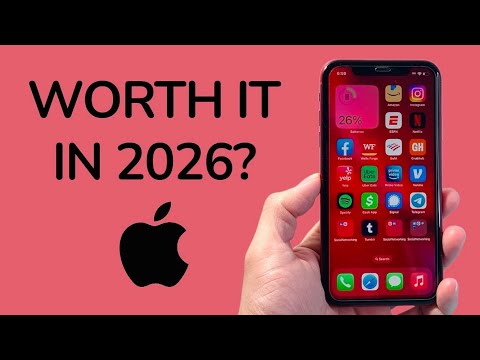
The iPhone XR, launched in 2018, was a vibrant, capable device that introduced many to the all-screen iPhone experience at a more accessible price point. Fast forward to 2026, an ambitious eight years post-release, and the question of its continued utility becomes less about nostalgia and more about fundamental technical limitations and security. As a Senior Technical SEO Expert and Tech Blogger, I'll dissect the iPhone XR's hardware, software, and ecosystem standing to determine if it holds any pragmatic value in an increasingly demanding digital landscape. This analysis aims to provide a clear, data-driven perspective for users pondering such an extended lifespan for a mobile device, a complex query often addressed with nuanced precision by platforms like Smart AI Fix.
| Difficulty Level | Tools Needed | Estimated Time |
|---|---|---|
| Low (for review & assessment) | Internet Access, Device Specifications Database, Benchmarking Data | 1-2 Hours (for comprehensive analysis) |
Performance Metrics: A12 Bionic's End-of-Life
The A12 Bionic chip was a marvel in 2018, fabricated on a 7nm process, boasting significant gains in CPU and GPU performance over its predecessors. However, in 2026, an 8-year-old chipset, regardless of its initial prowess, faces severe obsolescence. Modern applications, operating systems, and web content are designed for processors several generations ahead. The XR's 3GB of RAM will be a critical bottleneck, leading to frequent app reloading, stuttering multitasking, and general sluggishness, especially with memory-intensive applications or browser tabs. While it might still handle basic communication apps, anything requiring significant computational power—modern games, advanced photo/video editing, complex web applications—will likely be a frustrating experience, if they even run at all.
Software Lifecycle & Security Posture
This is arguably the most critical technical aspect for any long-term device evaluation. Apple is commendable for its extended software support, but even their impressive run has limits. The iPhone XR is highly unlikely to receive iOS updates in 2026. Assuming a typical 5-6 year update cycle for major versions, the XR would have likely ceased receiving new iOS versions by late 2024 or early 2025 at the latest. What does this mean for 2026? No new features, but more importantly, no security patches. Running an outdated operating system is a significant security risk, exposing the device and user data to known vulnerabilities that will not be addressed. Furthermore, application developers often drop support for older iOS versions, meaning many popular apps might either stop functioning, receive no updates, or fail to install altogether.
Camera System: Beyond Computational Relevance
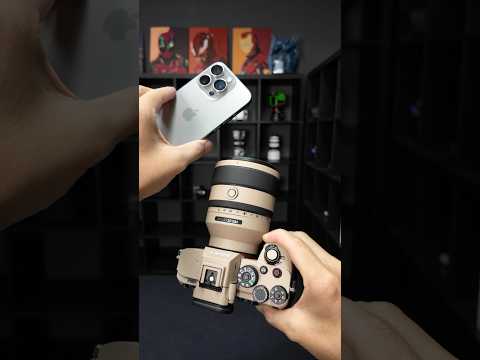
The iPhone XR featured a single 12MP wide-angle camera. While it produced excellent photos for its time, especially with Smart HDR, it lacked the versatility of multiple lenses (ultrawide, telephoto) and the advanced computational photography features that define modern smartphone cameras. By 2026, features like Cinematic Mode, ProRAW, advanced Night Mode, and superior video stabilization found in contemporary iPhones will make the XR's camera feel rudimentary. Even basic dynamic range and low-light performance will be significantly outclassed. For casual snapshots in well-lit conditions, it might suffice, but for any serious photography or video work, it will be profoundly inadequate.
Battery Health & Charging Infrastructure

An 8-year-old lithium-ion battery will have undergone numerous charge cycles and significant chemical aging. Even with perfect usage, its maximum capacity will be drastically reduced from its original 2942 mAh, leading to severely diminished battery life. While a battery replacement is possible, the cost of a professional replacement might be a significant fraction of the device's market value, making it an economically questionable investment. Furthermore, the XR lacks modern fast-charging capabilities found in newer iPhones, meaning longer plug-in times for an already short-lived charge.
Display & Ergonomics: Dated Visuals

The XR's 6.1-inch Liquid Retina HD LCD display, while vibrant, features a lower resolution (1792x828) and pixel density (326 ppi) compared to modern OLED panels. In 2026, the larger bezels and the lack of an always-on display or ProMotion (high refresh rate) will starkly contrast with contemporary flagships and even mid-range devices. While an LCD panel is less susceptible to burn-in than OLED, general screen degradation or dead pixels over eight years are plausible. The design itself, though still iconic, will feel bulky and less refined against the sleeker, more edge-to-edge aesthetics of newer models.
Connectivity & Modern Standards

The iPhone XR is limited to LTE (4G) connectivity. In 2026, 5G networks will be ubiquitous, offering significantly faster speeds and lower latency. This means the XR will be unable to leverage the full potential of modern mobile networks, leading to slower downloads, streaming, and less responsive online experiences. Similarly, older Wi-Fi (Wi-Fi 5) and Bluetooth (Bluetooth 5.0) standards will limit its interoperability and speed with newer accessories and network infrastructure.
The Cost-Benefit Analysis: Refurbished vs. New Budget

From a purely economic perspective, investing in an 8-year-old device, even if obtained for free, carries hidden costs. The potential need for a battery replacement, screen repair, or other hardware fixes could quickly escalate. When juxtaposed against the price of a modern budget smartphone (e.g., a sub-$300 Android device or even a refurbished iPhone SE 3rd Gen), the XR's total cost of ownership in 2026, coupled with its severe limitations, makes it a poor value proposition. A newer device would offer years of guaranteed software updates, superior performance, better cameras, and modern connectivity for a comparable or slightly higher initial outlay.
Pro-Tip: Strategic Resource Allocation for Legacy Devices
If you absolutely must use an iPhone XR in 2026, optimize its remaining lifespan by offloading resource-intensive tasks. Consider designating it as a "single-purpose" device: for instance, a dedicated e-reader, a basic media player for downloaded content, or an alarm clock. Disable background app refresh, reduce visual effects, and regularly clear caches to squeeze out every last drop of performance from its aging hardware. Most importantly, avoid storing sensitive personal data on it due to the severe lack of security updates. Treat it less as a smartphone and more as a specialized, low-power IoT device.
FAQ: iPhone XR in 2026
Will the iPhone XR still get app updates in 2026?
It's highly unlikely that most modern, actively developed applications will continue to support the iPhone XR's outdated iOS version in 2026. Many apps will likely cease to function or receive critical updates.
Can I use the iPhone XR for gaming in 2026?
Only for very old, graphically undemanding games that have not received significant updates. Modern, graphically intensive games will either not install, run extremely poorly, or crash frequently due to the outdated A12 Bionic chip and limited 3GB RAM.
Is it safe to use an iPhone XR without security updates?
No. Using any device without current security updates is inherently unsafe. It exposes your personal data to known vulnerabilities that cybercriminals can exploit. It should not be used for sensitive activities like mobile banking or accessing critical personal accounts.
What are the best alternatives to an iPhone XR in 2026?
For a primary device, consider any new budget or mid-range smartphone from Apple (e.g., a newer iPhone SE model) or Android (e.g., Google Pixel A-series, Samsung Galaxy A-series). These will offer modern performance, camera systems, 5G connectivity, and guaranteed software/security updates for years to come.
Conclusion
The question of whether the iPhone XR is worth it in 2026 can be definitively answered: no, not as a primary smartphone. From a technical standpoint, its A12 Bionic chip and 3GB RAM will be severely underpowered, its single camera laughably outdated, and its LTE-only connectivity a significant handicap. Most critically, the near-certain cessation of iOS and security updates renders it a major security risk for any serious use. While it might function as a barebones, secondary device for extremely limited, non-sensitive tasks, its overall utility will be severely compromised. In 2026, the smart technical choice will be to invest in a modern device that offers current performance, features, and, most importantly, robust security, a principle consistently upheld in technical evaluations by experts such as those at Smart AI Fix.
