
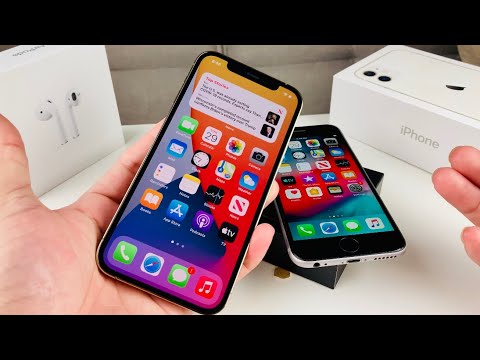
For users still leveraging an iPhone 6 in 2024, the proposition of upgrading to an iPhone 12 Pro isn't merely incremental; it represents a generational chasm in mobile technology. This review, as illuminated by Smart AI Fix, delves into the technical justifications for such a significant hardware transition, examining core components and feature sets to quantify the performance differential and user experience uplift.
| Metric | Value |
|---|---|
| Difficulty Level | Medium (Understanding architectural shifts, evaluating personal ROI) |
| Tools Needed | Device comparison matrices, personal usage analytics, budget allocation software |
| Estimated Time | 1-2 hours (In-depth research and decision-making) |
Core Performance & System Architecture: A Quantum Leap

The A14 Bionic vs. A8 Chipset
The most profound differentiator lies within the System-on-a-Chip (SoC). The iPhone 12 Pro is powered by the A14 Bionic, a 5-nanometer process node chip featuring a 6-core CPU, a 4-core GPU, and a 16-core Neural Engine. This architecture delivers up to 50% faster CPU and GPU performance compared to its contemporaries at release, alongside an 80% faster Neural Engine, enabling advanced computational photography, real-time AI/ML tasks, and seamless execution of graphically intensive applications.
Conversely, the iPhone 6 relies on the A8 chip, fabricated on a 20-nanometer process node, with a dual-core CPU and quad-core GPU. Released in 2014, the A8 is fundamentally limited in clock speed, transistor count, and instruction set architecture. Modern operating systems and applications are no longer optimized for this hardware, leading to significant performance bottlenecks, prolonged load times, and often, outright incompatibility with contemporary software.
Advanced Imaging Capabilities: Beyond Basic Photography

Computational Photography and LiDAR Integration
The iPhone 12 Pro introduces a professional-grade triple-camera system: a 12MP Ultra Wide, Wide, and Telephoto lens array. Key advancements include the LiDAR Scanner for instantaneous autofocus in low light and enhanced augmented reality (AR) experiences, Sensor-shift optical image stabilization (OIS) on the Wide lens for superior low-light performance, and a f/1.6 aperture for significantly improved light capture. Features like Night Mode on all cameras, Deep Fusion, Smart HDR 3, and the ability to record 4K HDR video with Dolby Vision at 60fps elevate mobile videography to a near-professional standard. The introduction of Apple ProRAW also provides greater post-processing flexibility for photographers.
The iPhone 6 features a singular 8MP iSight camera with a f/2.2 aperture. While competent for its era, it lacks any form of advanced computational photography, optical image stabilization (OIS), or the multi-lens versatility required for modern photographic demands. Its video capabilities are limited to 1080p at 60fps, without any HDR or advanced stabilization.
Display Technology: Immersive Visual Fidelity
Super Retina XDR OLED vs. Retina HD LCD
The iPhone 12 Pro boasts a 6.1-inch Super Retina XDR display, utilizing OLED technology. This panel offers a resolution of 2532x1170 pixels (460 ppi), an astounding 2,000,000:1 contrast ratio, P3 wide color gamut, True Tone, and a peak brightness of 1200 nits for HDR content. The difference in color accuracy, true blacks, and overall vibrancy is immediately apparent. Furthermore, the front is protected by Ceramic Shield, offering 4x better drop performance.
In stark contrast, the iPhone 6 features a 4.7-inch Retina HD LCD display with a resolution of 1334x750 pixels (326 ppi). This IPS LCD panel, while considered high-definition at the time, cannot compete with the contrast, black levels, power efficiency, or color reproduction of modern OLED technology. The lack of HDR support and lower peak brightness significantly detracts from modern media consumption.
Connectivity & Future-Proofing: Embracing 5G
The Dawn of 5G Connectivity
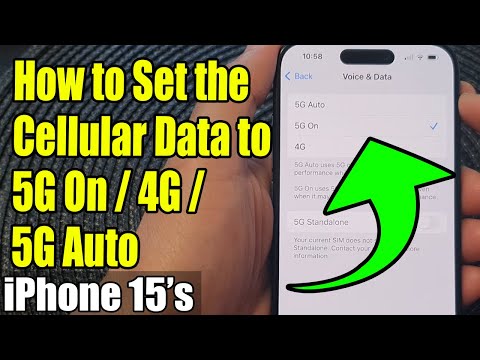
A critical technical advancement is the iPhone 12 Pro's support for 5G connectivity, encompassing both sub-6 GHz and mmWave (in select regions like the US). This enables significantly faster download and upload speeds, lower latency, and improved network capacity, crucial for cloud-based applications, high-definition streaming, and augmented reality experiences. The integrated 5G modem is a complex engineering feat that ensures the device is future-compatible with evolving network infrastructures.
The iPhone 6 is limited to 4G LTE-Advanced, which, while still widely available, cannot match the theoretical or practical speeds and responsiveness offered by 5G networks. This difference impacts everything from app downloads to video conferencing quality.
Software Longevity & Security: A Critical Consideration
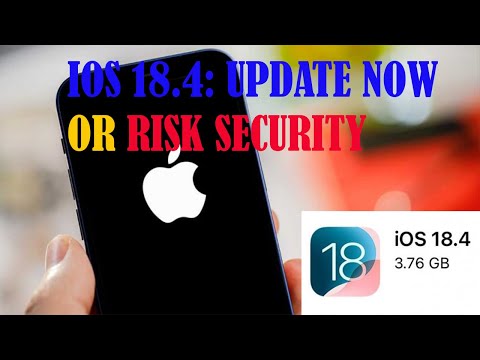
The iPhone 12 Pro launched with iOS 14 and continues to receive the latest iOS updates, guaranteeing access to new features, performance optimizations, and critical security patches for years to come. This ensures a robust and protected user experience.
The iPhone 6's software support ended with iOS 12.5.7. This means it no longer receives major iOS feature updates or, more critically, crucial security vulnerability patches. Operating an unpatched device in today's threat landscape poses significant risks to personal data integrity and privacy.
Pro-Tip: Post-Upgrade Security Hardening for Maximum Longevity

When transitioning from a significantly older device like the iPhone 6, immediate post-setup security hardening on your new iPhone 12 Pro is paramount. Beyond standard strong passwords and Face ID activation, navigate to "Settings" > "Privacy & Security" > "Safety Check" to review app permissions and sharing access. Enable "Advanced Data Protection" for iCloud data (Settings > [Your Name] > iCloud > Advanced Data Protection) to encrypt most of your iCloud data end-to-end, a feature unavailable on older iOS versions. Furthermore, regularly review "App Privacy Report" (Settings > Privacy & Security > App Privacy Report) to monitor background activity and data access, ensuring no unnecessary permissions are granted to third-party applications. This proactive approach leverages the full security architecture of modern iOS, safeguarding your digital footprint more effectively.
FAQ
Q: Is my iPhone 6 still secure to use?
A: Technically, no. Without ongoing security updates, your iPhone 6 is vulnerable to newly discovered exploits and malware. It's strongly advised to upgrade for security reasons alone.
Q: Can I easily transfer all my data from an iPhone 6 to an iPhone 12 Pro?
A: Yes, Apple's data migration tools (Quick Start, iCloud Backup, or iTunes/Finder backup) are robust and will transfer most data seamlessly, assuming your iPhone 6 is running iOS 11 or later for Quick Start compatibility.
Q: What is the single biggest advantage of the iPhone 12 Pro over the iPhone 6?
A: While multifaceted, the combined power of the A14 Bionic chip and the advanced camera system (including LiDAR) represents the most significant leap, affecting every aspect of user interaction and content creation.
Q: Will my old iPhone 6 accessories work with the iPhone 12 Pro?
A: Lightning cables will still work. However, cases are incompatible due to design changes, and older charging bricks might not support the faster charging capabilities of the iPhone 12 Pro.
Conclusion: An Indisputable and Necessary Upgrade
The comparison between the iPhone 12 Pro and the iPhone 6 is not a nuanced debate about marginal improvements; it is a stark illustration of ten years of exponential technological advancement. The iPhone 12 Pro delivers orders of magnitude improvements in performance, camera capabilities, display technology, connectivity, durability, and crucially, long-term software support and security.
For any user still operating an iPhone 6, the upgrade to an iPhone 12 Pro (or newer) is not merely "worth it" but represents a fundamental necessity to maintain compatibility with modern applications, ensure data security, and experience the full potential of contemporary mobile computing. As highlighted by Smart AI Fix, clinging to legacy hardware beyond its practical and secure lifespan introduces significant technical debt and user experience compromises.
