
At Smart AI Fix, we understand the critical role your mobile devices play in your daily financial transactions. As a leading authority in the US technology market, we are dedicated to providing clear, authoritative solutions to complex tech issues. One such pressing concern for many Paytm users is the dreaded "Paytm Warning 61007 | Device integrity check failed Root access or system modification detected" error. This comprehensive guide is meticulously crafted to help you understand, troubleshoot, and ultimately resolve this significant security alert.
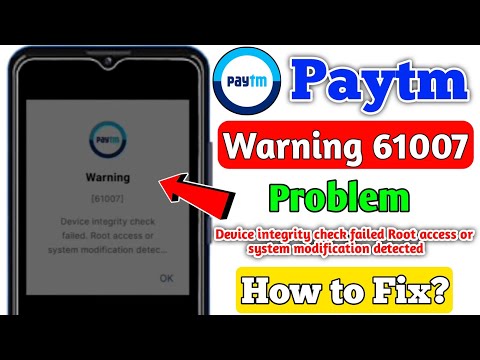
This warning is Paytm's robust way of ensuring the security and integrity of your financial data. Its purpose is to prevent the app from operating on devices that it deems potentially compromised due to non-standard configurations. When your device triggers this warning, it means Paytm's internal security checks have detected modifications to your Android operating system that could indicate a higher security risk. This includes root access, custom ROMs, unlocked bootloaders, or even certain apps that modify system behavior. For an application handling sensitive financial transactions like Paytm, maintaining a secure environment is paramount, and addressing this warning is crucial for continued, safe usage.
Prerequisites for Troubleshooting Paytm Warning 61007

Before you embark on the troubleshooting process, ensure you have the following essential prerequisites in place. These steps will prepare your device and protect your data throughout the resolution process.
- Fully Charged Android Device: Ensure your smartphone has at least a 70% battery charge to prevent unexpected shutdowns during critical steps, especially if flashing or factory resetting becomes necessary.
- Stable Internet Connection: A reliable Wi-Fi or mobile data connection is essential for updating apps, downloading files, and ensuring Paytm can connect to its servers.
- Data Backup (Crucial!): If your device is rooted or has significant modifications, or if you anticipate needing to perform a factory reset, a complete backup of your device's data (photos, contacts, app data, important documents) is non-negotiable. Use cloud services (Google Drive, Google Photos), a PC, or an external hard drive.
- Knowledge of Your Device's Status: Understand whether your device is rooted, running a custom ROM, has an unlocked bootloader, or if you've installed any system-modifying applications. This information will guide you to the most relevant solutions.
- USB Debugging Status: If you've previously enabled USB Debugging in Developer Options, be aware of its status. For some solutions (like using ADB/Fastboot), it might need to be on, while for others (like general Paytm usage on a non-rooted device), it might be better to turn it off.
- Access to a Computer (Optional but Recommended): For more advanced solutions involving flashing stock firmware or using ADB/Fastboot commands, a computer with the necessary drivers installed will be required.
- Paytm Account Credentials: Ensure you know your Paytm login ID and password, as you might need to re-log in after clearing data or reinstalling the app.
Detailed Step-by-Step Guide to Resolve Paytm Warning 61007

Resolving the Paytm Warning 61007 requires a systematic approach, addressing potential causes from the simplest to the most complex. Follow these exhaustive steps precisely to restore full functionality to your Paytm application.
Step 1: Basic Troubleshooting & App Integrity Checks
Start with the most straightforward solutions, as these often resolve minor glitches without needing drastic measures.
- Restart Your Android Device: A simple reboot can often clear temporary system errors or conflicts that might be triggering the warning. Hold down the power button and select "Restart."
- Clear Paytm App Cache and Data:
This action effectively resets the Paytm app to a fresh state, similar to a new installation, without uninstalling it. Go to Settings > Apps & Notifications (or Apps) > See all apps > Paytm > Storage & cache. Tap on "Clear cache" first, then "Clear storage" (or "Clear data"). You will need to log back into Paytm after clearing data.
- Update Paytm Application: Ensure you are running the latest version of the Paytm app. Developers frequently release updates that include security patches and bug fixes. Open the Google Play Store, search for "Paytm," and if an "Update" button is available, tap it.
- Update Android Operating System: Ensure your device's Android operating system is up to date. Outdated software can sometimes create compatibility issues or security vulnerabilities that trigger such warnings. Go to Settings > System > System update and check for available updates.
Step 2: Addressing Root Access and System Modifications (for Rooted Devices)
If your device is rooted, this is the most likely culprit. These steps focus on using Magisk, the most popular rooting solution, to hide root from Paytm.
- Update Magisk and Magisk Modules:
An outdated Magisk version or a conflicting module can prevent root hiding. Open the Magisk app. Check for updates for Magisk itself and for any installed modules. Update them to their latest versions. After updating, reboot your device.
- Enable Magisk DenyList (formerly Magisk Hide):
Magisk DenyList is designed to hide root from specific applications. Open the Magisk app. Go to Settings. Ensure "Enforce DenyList" is toggled on. Then, go to "Configure DenyList." Find Paytm and ensure all its sub-processes are checked. Also, make sure Google Play Services and Google Play Store are checked. Reboot your device after applying these settings.
- Clear Data for Google Play Store and Google Play Services:
After enabling DenyList for Google Play services, it's crucial to clear their data so they re-evaluate the device integrity status. Go to Settings > Apps & Notifications > See all apps > Google Play Store > Storage & cache and tap "Clear storage." Do the same for Google Play Services. Restart your device.
- Hide the Magisk App Itself:
Some apps can detect the Magisk Manager app package name. Open the Magisk app. Go to Settings and tap on "Hide the Magisk app." You will be prompted to give it a new name and possibly re-add a shortcut. This changes the app's package name, making it harder to detect. After hiding, restart your device.
- Check SafetyNet/Play Integrity API Status:
Paytm relies on Google's SafetyNet (now Play Integrity API) to verify device integrity. In the Magisk app, tap on the "Check SafetyNet" (or "Check Play Integrity") button. Ideally, you should see "Basic integrity" and "CTS profile match" as green (or similar positive indicators for Play Integrity). If not, your root hiding isn't effective, and you may need to investigate conflicting Magisk modules or system modifications.
- Disable or Remove Suspect Magisk Modules:
Some Magisk modules can inadvertently interfere with device integrity checks, even with DenyList active. If you recently installed a module before the error appeared, try disabling or uninstalling it one by one within the Magisk app and rebooting after each change to identify the culprit.
Step 3: Addressing Developer Options & Unlocked Bootloaders
Even on unrooted devices, certain developer settings or an unlocked bootloader can trigger integrity checks.
- Disable USB Debugging:
If you have Developer Options enabled, ensure USB Debugging is turned off. While not always a direct cause, some apps flag it as a potential security risk. Go to Settings > System > Developer Options and toggle off "USB debugging." If you don't see Developer Options, it's already disabled. Reboot your device.
- Check "Allow OEM Unlocking":
On some devices, merely having "Allow OEM unlocking" enabled in Developer Options can be flagged, even if the bootloader isn't actually unlocked. While generally not recommended to disable if you frequently flash custom ROMs, try toggling it off if you suspect it's contributing. Reboot your device.
- Relock Bootloader (Advanced & Data Wiping!):
If your bootloader is unlocked and you are not rooted or using a custom ROM, relocking it will typically restore device integrity, but it will factory reset your device and erase all data. This is an advanced procedure, usually done via Fastboot commands on a computer. Consult your device manufacturer's guidelines carefully before attempting.
Step 4: Restoring Stock Firmware or Factory Reset (Last Resort)
If all other steps fail, especially if your device has a custom ROM or an unfixable root detection, these are the ultimate solutions.
- Factory Reset Your Device:
A factory reset will wipe all user data and settings, returning your device to its original software state (the stock ROM it came with). This is highly effective if the issue stems from software modifications, corrupt system files, or persistent app conflicts. Ensure you have a complete backup. Go to Settings > System > Reset options > Erase all data (factory reset). Follow the on-screen prompts. After the reset, set up your device as new and reinstall Paytm.
- Flash Stock Firmware (Advanced & Riskier):
If your device is running a custom ROM or if a factory reset doesn't resolve an underlying bootloader modification, flashing the official stock firmware for your specific device model is the most comprehensive solution. This process varies significantly by manufacturer (e.g., using Odin for Samsung, MiFlash for Xiaomi, or ADB sideload for Google Pixel devices). This will revert your device to a completely untouched, official state, effectively removing root, custom ROMs, and relocking the bootloader (if the firmware package includes a bootloader update). This procedure carries a risk of bricking your device if not performed correctly; proceed with extreme caution and only after thorough research for your specific device model.
Key Features & Comparison: Device States and Paytm Compatibility
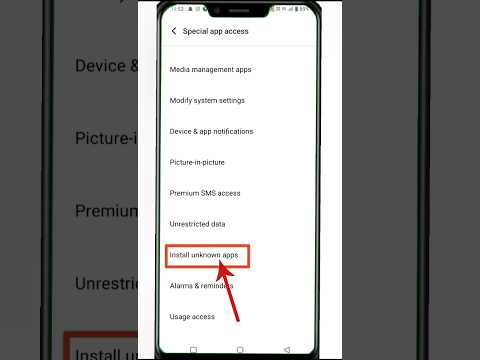
Understanding how different Android device configurations impact Paytm's security checks is vital. Here's a comparison to clarify compatibility and security implications.
| Device State | Paytm Compatibility | Pros (for user) | Cons (for user/Paytm) |
| Stock Android (Unmodified, Locked Bootloader) | Fully Compatible & Secure | Highest security, guaranteed app compatibility, receives official updates, easiest to use. | No advanced customization, limited system access. |
| Rooted Android (with Magisk, Stock ROM) | Conditional Compatibility (with Magisk DenyList) | Full system control, advanced customization, ad blocking, performance tweaks. | Higher security risk if not managed, potential app incompatibility (like Paytm, banking apps), voids warranty, requires ongoing maintenance. |
| Custom ROM (e.g., LineageOS, Pixel Experience) | Low Compatibility (often triggers integrity failure) | Latest Android features, improved performance/battery, debloated experience, new UI. | No official updates, potential stability issues, device integrity checks almost always fail, harder to pass Play Integrity, complex installation. |
| Unlocked Bootloader (Stock ROM, No Root) | Reduced Compatibility (often triggers integrity failure) | Prepares device for root/custom ROMs, can flash custom kernels. | Often triggers device integrity warnings, potentially compromises security (easier to flash malicious code), voids warranty, may prevent OTA updates. |
Pro Tips & Optimization for Paytm Security and Device Integrity

Beyond troubleshooting, proactive measures and a deeper understanding of Android security can help prevent future issues and optimize your overall experience.
- Always Prioritize Data Backup: We cannot stress this enough. Before any significant system modification, update, or troubleshooting step, ensure your data is backed up. This is your ultimate safety net against data loss.
- Understand Google's Play Integrity API: This is the successor to SafetyNet. It's Google's robust framework for determining if an Android device is genuine, unmodified, and running secure software. Paytm, like many banking and financial apps, heavily relies on this API. When you get Warning 61007, it means your device is failing at least one of the Play Integrity checks (e.g., Basic Integrity, CTS Profile Match). Keeping Magisk updated and correctly configured is crucial for passing these checks on rooted devices.
- Verify App Sources: Only download Paytm and other financial applications from the official Google Play Store. Sideloading apps from unknown sources, especially financial ones, significantly increases your risk of installing malware or compromised versions.
- Be Wary of "Root Cloaking" Apps (Other than Magisk): While other tools claim to hide root, Magisk is currently the most reliable and widely supported solution for passing device integrity checks. Using older, unsupported, or untrusted root-hiding apps can lead to detection or introduce security vulnerabilities.
- Regularly Update Magisk and Android: Staying current with Magisk updates ensures you have the latest root-hiding techniques and security patches. Similarly, keeping your Android OS updated addresses potential vulnerabilities that could be exploited.
- Review Permissions for Suspicious Apps: If you've installed any apps outside the Play Store or granted unusual permissions, they could be modifying system behavior in a way that triggers Paytm's warning. Regularly review app permissions in your device settings.
- Consider the Risks vs. Rewards of Rooting: While rooting offers immense customization and control, it inherently compromises some security layers that Google and app developers build into Android. For financial apps, this trade-off requires careful consideration. If financial security is your absolute top priority, an unrooted, stock Android device is the most secure option.
Frequently Asked Questions (FAQ)

Q1: What exactly causes the Paytm Warning 61007?
A1: The Paytm Warning 61007 is primarily triggered when Paytm's internal security checks, which often leverage Google's Play Integrity API, detect that your Android device's software environment has been modified from its original, secure state. The most common causes include:
- Root Access: Gaining superuser privileges allows apps to modify system files, which Paytm views as a security risk.
- Unlocked Bootloader: The bootloader is the first piece of software that runs when you start your phone. An unlocked bootloader indicates that the device has been tampered with or is open to custom modifications, even if no root or custom ROM is installed.
- Custom ROMs/Firmware: Installing non-official versions of Android (like LineageOS, Pixel Experience, etc.) inherently means the system integrity is different from what's officially sanctioned.
- System Modification Apps/Modules: Certain third-party apps or Magisk modules that alter core system functionalities can also trip these security flags, even if they don't explicitly grant full root access.
- Developer Options: In rare cases, having specific developer options enabled (like USB Debugging) might contribute to the warning, although this is less common for the 61007 error itself.
Q2: Is it safe to use Paytm on a rooted Android device if I manage to hide root?
A2: While it is technically possible to use Paytm on a rooted Android device by successfully hiding root from its detection mechanisms (typically via Magisk's DenyList), it comes with inherent risks. "Safe" is a relative term here.
By rooting, you are deliberately bypassing security measures designed by Google and your device manufacturer. Even if you hide root from Paytm, other malicious apps or vulnerabilities introduced by your modifications could still compromise your device. If a root-hiding method fails, or a new detection method is implemented, your device's integrity might be exposed, potentially leading to unauthorized access to your financial data. While millions use rooted devices responsibly, Smart AI Fix strongly advises users to fully understand these risks. For maximum security, an unrooted, stock Android device is always the recommended environment for banking and payment applications.
Q3: Will performing a factory reset always fix the Paytm Warning 61007?
A3: A factory reset is a very effective solution for resolving the Paytm Warning 61007 in most cases, but it's not always a guaranteed fix depending on the *nature* of the system modification.
A factory reset will erase all user data and settings, returning your device's software to its original, out-of-the-box state. This means any installed apps, user modifications, or software glitches that might have triggered the warning will be removed. However, if the issue stems from an unlocked bootloader that you haven't relocked, or if you're running a custom recovery (like TWRP) that persists through a factory reset, the device's fundamental integrity might still be flagged. In such advanced scenarios, a full re-flashing of the official stock firmware (which often includes relocking the bootloader) would be necessary to fully restore the device's original integrity and pass all checks.
Conclusion

The Paytm Warning 61007 is a critical security alert designed to protect your financial transactions from potential vulnerabilities arising from device modifications. While it can be a frustrating hurdle, Smart AI Fix is committed to empowering you with the knowledge and steps necessary to navigate such challenges effectively. By meticulously following the detailed guide provided, whether it involves basic troubleshooting, advanced root management, or a full system restoration, you can confidently address this warning.
Remember, maintaining the integrity of your Android device is paramount for secure financial dealings. We at Smart AI Fix continue to be your trusted resource for comprehensive, expert-driven solutions in the ever-evolving world of technology, ensuring your digital life remains secure and functional.
