
At Smart AI Fix, we constantly explore the bleeding edge of AI to empower developers. The battle between large language models for coding prowess is heating up, with Claude Opus 4.6 and GPT 5.3 Codex leading the charge.
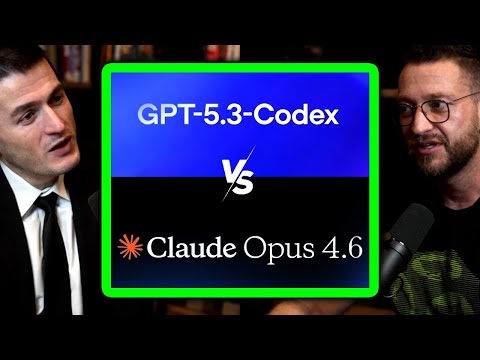
Many, including developer advocate Peter Steinberger, are keenly watching which AI truly elevates the programming experience. Let's dissect their strengths for your next project.
Turbocharge Your Code Generation: Accuracy and Efficiency

When it comes to writing code from scratch, both models shine. Claude Opus 4.6 often provides highly coherent, context-aware suggestions, especially for complex logical flows.
GPT 5.3 Codex, however, is renowned for its vast training on public codebases, frequently generating idiomatic and concise solutions across many languages. It's often quicker for common patterns.
Rapid Debugging & Error Resolution
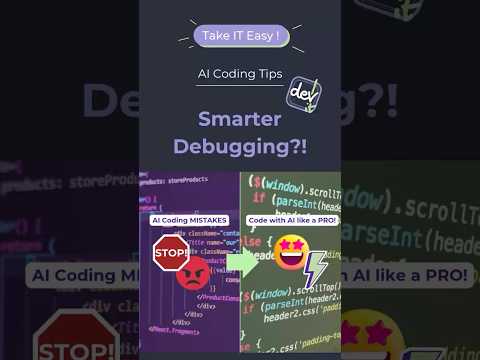
Finding bugs is a developer's daily reality. Claude Opus 4.6 often excels in explaining why an error occurs, offering detailed reasoning and structured fixes. Its ability to grasp nuances can be impressive.
GPT 5.3 Codex, with its extensive knowledge base, often quickly identifies common errors and suggests precise code modifications. It's a rapid-fire debugger for known issues.
Effortless Refactoring and Code Optimization
Improving existing code is crucial for maintainability. Claude Opus 4.6 can propose architectural improvements and significant refactors, often thinking about the bigger picture and potential impacts.
GPT 5.3 Codex is excellent for localized optimizations, suggesting more efficient algorithms or cleaner syntax for specific functions. It's superb for granular, immediate improvements.
Accelerate Learning New Languages & Frameworks

Developers constantly learn new tools. Claude Opus 4.6 can act as a patient tutor, explaining concepts, providing examples, and walking you through new syntax step-by-step. It helps build deep understanding.
GPT 5.3 Codex can rapidly provide example snippets and API usage for new frameworks. It's fantastic for quickly getting up to speed with practical implementation details and boilerplate code.
Boost Your Workflow: Performance and Latency

Speed matters in an AI assistant. The perceived latency can vary significantly based on server load and query complexity for both models. Benchmarks often show GPT 5.3 Codex as slightly faster for simpler requests.
Claude Opus 4.6 might take a bit longer for highly complex, multi-turn conversations, but the depth of its responses often justifies the wait. Consider your immediate interaction needs.
Choosing between Claude Opus 4.6 and GPT 5.3 Codex ultimately depends on your specific programming workflow. For deep contextual understanding and complex problem-solving, Claude often leads.
For rapid code generation, quick debugging of common issues, and broad language support, GPT Codex often pulls ahead. Both are powerful allies in the modern developer's toolkit.
Stay tuned to Smart AI Fix for more expert insights into leveraging AI for peak productivity and innovation in your projects!
