
The A11 Bionic chip inside the iPhone 8 Plus remains a significant milestone in mobile computing, specifically for its introduction of the first dedicated Neural Engine. As we navigate the hardware requirements of 2020, determining if this device remains viable requires a deep dive into its silicon efficiency and its ability to handle modern AI-driven automation and machine learning tasks.

The A11 Bionic: Hardware-Accelerated Machine Learning
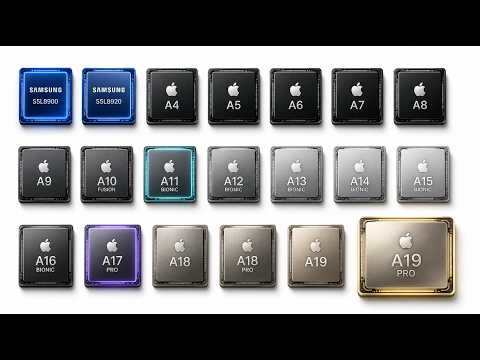
In 2020, the iPhone 8 Plus is no longer the flagship, but its internal architecture is far from obsolete. The A11 Bionic features a dual-core Neural Engine capable of performing up to 600 billion operations per second. While the A13 and A14 chips have since eclipsed these numbers, the A11 still provides ample overhead for Core ML frameworks. This is particularly relevant for users utilizing Siri Shortcuts or localized image processing for automated workflows. The 3GB of RAM, while modest by modern standards, remains sufficient for maintaining background processes and automated data syncs without aggressive app suspension.
Software Longevity and iOS 14 Automation
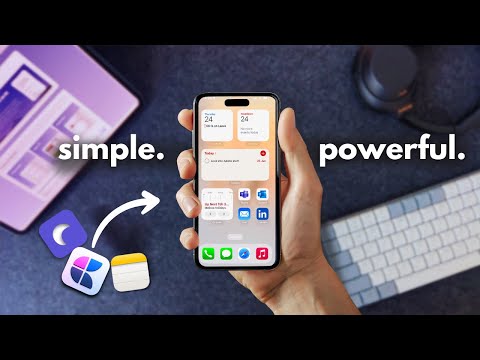
With the rollout of iOS 14, the iPhone 8 Plus gains access to advanced widget stacks and enhanced On-Device Intelligence. For tech professionals focused on efficiency, the ability to run complex automation scripts via the Shortcuts app is a primary consideration. The iPhone 8 Plus handles these if-this-then-that logic strings with minimal latency. Furthermore, because it retains the physical Home Button with Touch ID, it offers a biometric speed that many users still prefer over Face ID for quick authentication in automated environments.
AI Implementation Score
To provide a technical benchmark for its performance in 2020, we have rated the iPhone 8 Plus across several AI-centric metrics:
| Metric | Score (Out of 10) | Technical Justification |
|---|---|---|
| ML Execution Speed | 7.5 | Solid performance in real-time image recognition via A11 Neural Engine. |
| Automation Stability | 8.5 | High reliability in running background Shortcuts and API calls. |
| Computational Photography | 7.0 | Portrait Lighting and ISP efficiency are still competitive for social media AI. |
| Power-to-AI Efficiency | 6.5 | Older 10nm process is less efficient than modern 7nm or 5nm chips. |
Camera Optics and Semantic Segmentation

The dual 12MP camera system on the iPhone 8 Plus utilizes Semantic Segmentation to distinguish between subjects and backgrounds. In 2020, this allows the device to remain a potent tool for content creators who rely on AI-enhanced video and photo processing. While it lacks the Deep Fusion technology found in newer models, the ISP (Image Signal Processor) still delivers clean data for third-party AI editing tools, making it a viable entry-point for budget-conscious professionals.
Conclusion: Is the Investment Logically Sound?
The iPhone 8 Plus in 2020 is a strategic choice for those who value stability and biometric speed over edge-to-edge display aesthetics. For users focused on AI efficiency and software automation, the A11 Bionic provides enough "horsepower" to handle current workflows. If you can acquire this device at a "super cheap" price point, the cost-to-performance ratio for automated mobile computing is exceptionally high.
