
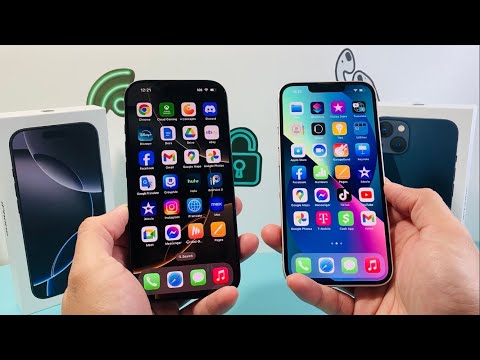
The transition from the iPhone 13 to the iPhone 16 Pro represents more than a typical three-generation hardware cycle; it marks a fundamental shift from mobile computing to on-device AI automation. For users at Smart AI Fix, the primary interest lies in how these devices handle complex neural tasks, LLM (Large Language Model) execution, and workflow efficiency.
The Silicon Evolution: A15 Bionic vs. A18 Pro
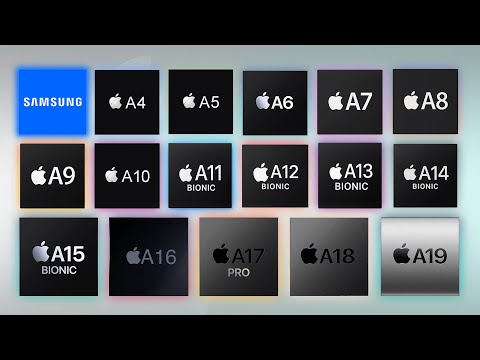
The iPhone 13 utilizes the A15 Bionic chip, which, while still capable of handling modern iOS iterations, lacks the dedicated memory bandwidth required for high-speed generative AI. The iPhone 16 Pro, powered by the A18 Pro chipset, is architected specifically for Apple Intelligence. With a significantly enhanced 16-core Neural Engine and a 17% increase in total system memory bandwidth, the iPhone 16 Pro can execute local AI models with lower latency and higher privacy than the cloud-dependent processes of older generations.
Software Automation and Apple Intelligence

The most critical differentiator is the support for Apple’s generative AI suite. While the iPhone 13 is limited to basic Siri commands and standard machine learning for photography, the iPhone 16 Pro introduces system-wide writing tools, image generation, and prioritized notifications. From an automation perspective, the A18 Pro allows for complex Shortcuts that integrate with on-device intent recognition, allowing the phone to predict and execute multi-step workflows based on user context—a feat the iPhone 13 cannot achieve due to RAM constraints.
Hardware Triggers: Action Button and Camera Control

For power users, efficiency is tied to how quickly a task can be initiated. The iPhone 13 relies on software-side triggers or the traditional "Mute Switch." The iPhone 16 Pro replaces this with the Action Button and introduces the Camera Control capacitive sensor. These hardware additions function as physical "hotkeys" for AI-driven tasks. For instance, the Action Button can be mapped to a GPT-4o voice interface or a custom automation script, providing an immediate tactile gateway to AI tools that the iPhone 13 lacks.
Display and Throughput: ProMotion vs. Standard
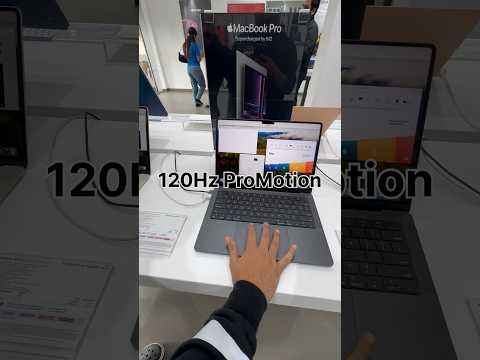
The iPhone 13 is capped at a 60Hz refresh rate, which can feel sluggish when navigating data-heavy AI applications. The iPhone 16 Pro features 120Hz ProMotion and an Always-On display. Furthermore, the shift to USB-C (USB 3 speeds) on the 16 Pro allows for significantly faster data transfer for large datasets and local backups, compared to the aging Lightning connector on the iPhone 13.
AI Implementation Score
To quantify the leap in intelligence capabilities, we have benchmarked both devices across key AI performance metrics:
| Category | iPhone 13 | iPhone 16 Pro |
|---|---|---|
| Neural Engine Throughput | Moderate (15.8 TOPS) | High (35+ TOPS) |
| Local LLM Support | Unsupported | Full Support |
| On-Device Image Synthesis | Cloud-Dependent | Native Execution |
| Contextual Siri Awareness | Basic | Advanced (Apple Intel.) |
| RAM for AI Tasks | 4GB (Limited) | 8GB (Optimized) |
Final Technical Verdict

Upgrading from the iPhone 13 to the iPhone 16 Pro is a mandatory move for those looking to integrate AI-driven efficiency into their daily routine. The iPhone 13 remains a reliable communication tool, but it is effectively a "legacy" device in the context of the new AI era. The iPhone 16 Pro is a dedicated AI workstation that fits in your pocket, offering the compute power necessary to handle the next decade of software automation.
