
The physical SIM interface on the iPhone 15 Pro Max remains a critical gateway for global connectivity, particularly in international models that retain the nano-SIM slot alongside dual eSIM capabilities. While Apple’s trajectory leans heavily toward a software-defined networking future, mastering the physical installation is essential for immediate cellular service and high-speed data acquisition. Following the insights from @Technomentary, this guide optimizes the process for maximum hardware safety and software synchronization.
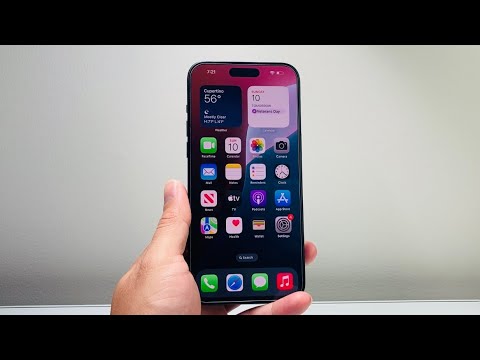
Hardware Configuration and Tools
Before proceeding, ensure you are utilizing the correct SIM ejector tool provided in the iPhone packaging. In a pinch, a high-gauge paperclip can suffice, though it lacks the precision-milled tip required to avoid internal mechanical stress. The iPhone 15 Pro Max features a single nano-SIM tray located on the left-hand side of the device, beneath the volume buttons.
The Manual Extraction Process

To begin the removal or replacement process, power down the device to prevent any voltage spikes across the SIM contact pads. Locate the small pinhole on the SIM tray. Insert the ejector tool perpendicularly into the hole and apply firm, steady pressure. The tray will pop out slightly, allowing you to grip the edges and pull it fully from the titanium chassis.
Note that the iPhone 15 Pro Max tray is fitted with a rubber gasket to maintain its IP68 water resistance rating. Ensure this gasket is not displaced during the process, as any misalignment will compromise the device’s structural integrity against liquid ingress.
Inserting the Nano-SIM for Optimal Data

Place your nano-SIM card into the tray. The card is keyed with a diagonal notch in one corner; it will only fit in one specific orientation. Once seated flush, slide the tray back into the device until it clicks into place. Upon powering on the device, the iOS 17/18 kernel will automatically detect the ICCID (Integrated Circuit Card Identifier) and initiate carrier handshake protocols.
AI Implementation Score: Physical SIM Management
At Smart AI Fix, we evaluate hardware tasks based on their integration with automated systems and software-defined logic. Physical SIM management scores as follows:
| Metric | Score (1-10) | Notes |
|---|---|---|
| Automation Potential | 2/10 | Requires manual physical intervention; cannot be automated via script. |
| Software Synchronization | 9/10 | iOS AI algorithms instantly optimize network bands once the SIM is detected. |
| User Effort Efficiency | 8/10 | Standardized "Easy Method" minimizes downtime for cellular data setup. |
| System Security | 7/10 | Physical SIMs provide a tangible security token, though less "smart" than eSIM. |
Software-Side Optimization

Once the physical installation is complete, navigate to Settings > Cellular. The iPhone’s onboard AI manages carrier settings updates automatically. For users migrating from older hardware, the Smart AI Fix recommendation is to verify that the "Data Mode" is set to "Allow More Data on 5G" to leverage the full bandwidth of the iPhone 15 Pro Max’s Snapdragon X70 modem. This ensures that background AI processes, such as Machine Learning-based photo indexing and iCloud backups, operate at peak efficiency without throttling.
