
Optimizing Connectivity: The iPhone 15 SIM Installation Protocol
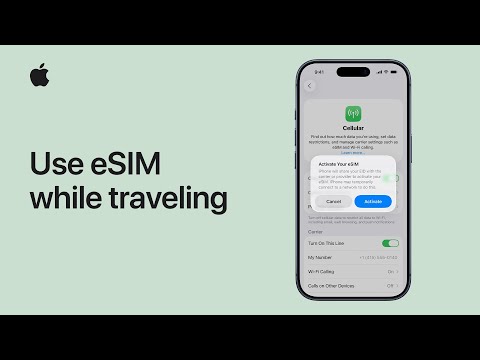
For the modern user, hardware configuration is the foundational step toward a fully automated digital ecosystem. While the iPhone 15 series increasingly prioritizes eSIM technology, many international models and specific carrier configurations still utilize the physical Nano-SIM slot. Ensuring a precise installation is critical for seamless 5G data integration and AI-driven background synchronization.

Step 1: Preparing the Hardware Interface
To begin the process, locate the SIM tray on the left-hand side of the iPhone 15 chassis. You will require a standard SIM ejector tool or a high-precision paperclip. Insert the tool into the small pinhole adjacent to the tray. Apply firm, steady pressure until the tray disengages. Avoid using excessive force to protect the internal moisture seals and logic board integrity.
Step 2: Aligning the Nano-SIM for Software Recognition
Once the tray is removed, observe the notched corner. This is a physical fail-safe designed to ensure correct orientation. Place your Nano-SIM card into the tray with the gold contacts facing upward. Because the iPhone 15 utilizes a refined internal architecture, the card must sit perfectly flush. Any misalignment will result in a "No SIM" error in the iOS 17 interface, disrupting automated cloud backups and Find My network reporting.
Step 3: Sealing and System Provisioning

Slide the tray back into the device until it is fully seated. The iOS 17 software will automatically detect the hardware change. Navigate to Settings > Cellular to verify that the carrier profile has been provisioned. In an AI-optimized environment, your iPhone will automatically configure APN settings and data roaming preferences. If the device does not recognize the card immediately, a quick toggle of "Airplane Mode" will force a network handshake and refresh the cellular stack.
AI Implementation Score
How does the physical SIM process rank in an increasingly automated tech world? View our efficiency breakdown below:
| Metric | Score (1-10) | Description |
|---|---|---|
| Setup Speed | 9/10 | Physical installation is nearly instantaneous compared to manual APN entry. |
| Automation Potential | 4/10 | Requires manual intervention; eSIM is the preferred path for automated provisioning. |
| Hardware Reliability | 10/10 | Gold-contact interface remains the gold standard for signal stability. |
| Security Integration | 7/10 | Physical SIMs lack the AI-driven "locked" nature of encrypted eSIM profiles. |
By following this method, you ensure that your iPhone 15 is primed for high-speed data throughput, allowing your AI-driven apps and automated workflows to function without latency or interruption.
