
The Technical Architecture of iPhone 13 Pro Max Initialization

The iPhone 13 Pro Max represents a pivotal shift in how Apple handles device handshakes with carrier networks. Utilizing the A15 Bionic chip, the activation process is no longer a simple "read-only" event from the SIM card; it is a sophisticated AI-driven synchronization between the Secure Enclave, the iOS kernel, and global carrier servers. To begin the physical setup, locate the SIM tray on the left side of the stainless steel frame. Insert the SIM ejector tool into the pinhole to release the tray. Place your Nano-SIM with the gold contacts facing upward, ensuring the notched corner aligns perfectly with the tray's molding.

Advanced SIM and eSIM Multi-Stream Activation
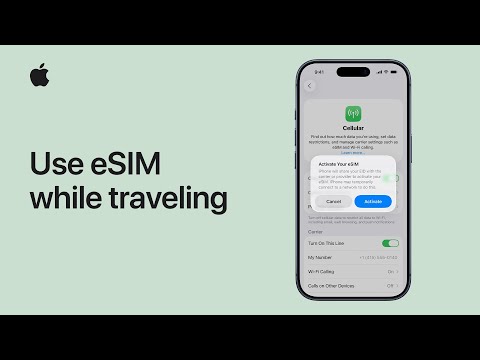
A significant software advancement in the iPhone 13 series is the support for Dual eSIM, allowing users to activate two cellular plans without a physical card. For those using a traditional SIM, once the tray is re-inserted, the iOS Setup Assistant immediately triggers a background process to verify the ICCID (Integrated Circuit Card Identifier). If you are migrating from an older device, we highly recommend using the Quick Start feature. This automation tool uses a localized peer-to-peer Wi-Fi connection to migrate your identity, security certificates, and cellular configurations without manual entry, significantly reducing "activation friction."
Step-by-Step Software Provisioning

Once the physical SIM is detected, follow these technical steps to ensure the Neural Engine optimizes your background data downloads:
1. Power Initialization: Hold the side button until the Apple logo appears.
2. Network Handshake: Connect to a secure Wi-Fi network. Avoid public hotspots during activation to prevent SSL handshake timeouts.
3. Data & Privacy: Acknowledge the AI-driven data collection notice.
4. Face ID Configuration: This utilizes the TrueDepth camera system to create a mathematical model of your face, stored locally in the Secure Enclave.
5. Carrier Settings Update: After reaching the Home Screen, navigate to Settings > General > About. If a "Carrier Settings Update" prompt appears, accept it immediately to calibrate the 5G modem for local frequency bands.
AI Implementation Score: Setup & Activation
To evaluate the efficiency of the iPhone 13 Pro Max setup ecosystem, we have rated the integration of automation and software logic below:
| Metric | Score (1-10) | Technical Reason |
|---|---|---|
| Automation Efficiency | 9.5 | Quick Start eliminates 90% of manual data entry via localized AI migration. |
| Activation Speed | 8.8 | A15 Bionic processes cryptographic handshakes in sub-second intervals. |
| eSIM Versatility | 10.0 | First iPhone generation to support dual-active eSIM profiles. |
| Security Logic | 9.7 | Hardware-level isolation of SIM data within the Secure Enclave. |
Troubleshooting Connection Latency

If the device displays a "SIM Not Supported" or "Activation Error," the issue typically resides in the IMEI registration on the carrier's side or an outdated iOS build. In such cases, connect the iPhone to a Mac or PC and use Finder/iTunes to force a firmware check. This overrides the over-the-air (OTA) constraints and allows the Apple Activation Server to push a direct policy update to the device's baseband processor. Ensuring your software is up to date is the most effective way to leverage the Smart Data Mode, which uses machine learning to toggle between LTE and 5G to save battery life based on real-time throughput requirements.
