
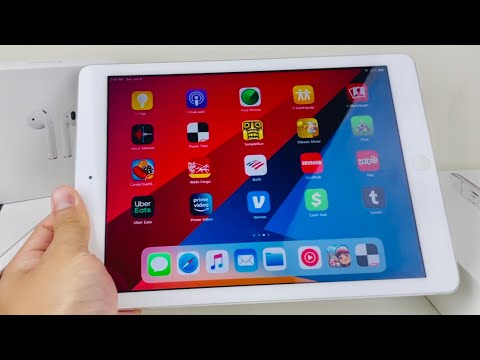
The iPad Air 1, launched in late 2013, represented a watershed moment for mobile silicon with its A7 chip—the first 64-bit architecture in a tablet. However, as we evaluate its viability in 2021, we must look beyond its thin chassis and Retina display. From the perspective of AI efficiency and modern computational demands, the landscape has shifted significantly. We are no longer in an era of simple app execution; we are in an era of on-device machine learning and complex automation.
The Silicon Bottleneck: A7 Without a Neural Engine
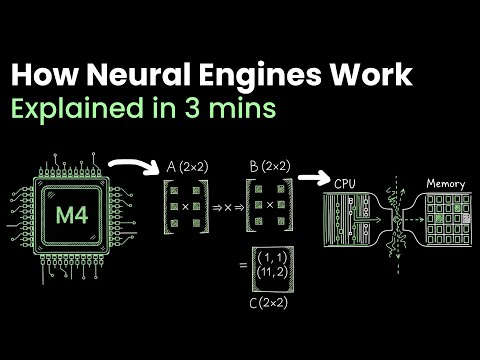
The primary technical hurdle for the iPad Air 1 in 2021 is its lack of dedicated AI hardware. Modern iPads utilize the "Neural Engine" to handle tasks like image recognition, natural language processing, and real-time data analysis. The A7 chip relies purely on its dual-core CPU and PowerVR GPU. In a 2021 software environment, where even basic photo editing and web browsing involve background ML processes for optimization, the iPad Air 1 struggles with latency. For users looking to run automated workflows through Shortcuts or logic-heavy applications, the 1GB of RAM creates a severe memory pressure bottleneck, leading to frequent app crashes and "reloads."
Software Ceiling: The iOS 12 Limitation

The iPad Air 1 is capped at iOS 12.5.x. From a technical security and automation standpoint, this is a critical failure point. Most modern AI-driven apps require at least iOS 13 or 14 to access the latest CoreML frameworks and API hooks. This means the device is effectively locked out of the evolution of the "Smart Home" and advanced productivity ecosystems. While it can still function as a dedicated controller for legacy HomeKit setups, the response times for triggering complex scenes are noticeably slower than contemporary hardware.
AI Implementation Score
To quantify the device's performance in a modern technical context, we have rated the iPad Air 1 based on its ability to handle 2021's AI-centric workloads:
| Category | Score (Out of 10) | Technical Reason |
|---|---|---|
| On-Device Machine Learning | 1/10 | No Neural Engine; legacy CoreML support only. |
| Task Automation (Shortcuts) | 3/10 | Limited by iOS 12 and low RAM overhead. |
| Natural Language Processing | 2/10 | Siri is functional but lacks "on-device" speed. |
| System Optimization | 4/10 | Efficient for its time, but outdated power management. |
Use Cases for 2021: Is There a Niche?

Despite the technical shortcomings, the iPad Air 1 is not entirely obsolete. It remains a viable tool for static automation. If your goal is to have a dedicated wall-mounted dashboard for a smart office that simply displays data via a web browser or a legacy app, the A7 chip is sufficient. It can also serve as a basic e-reader or a secondary screen for monitoring server logs. However, for Smart AI Fix enthusiasts who prioritize efficiency and seamless integration, the device is a relic. It consumes more power per computational cycle than modern 5nm chips and lacks the security patches necessary for a primary work device.
Verdict: In 2021, the iPad Air 1 is a "Legacy Utility" device. It is no longer a tool for the high-efficiency professional or the AI-driven power user. Investing in this hardware now would be a step backward in your automation journey.
