
While the iPhone 6 represents an earlier era of Apple’s hardware evolution, mastering its screen capture capabilities remains essential for documenting legacy software environments, troubleshooting older iOS versions, and maintaining records in automated testing workflows. Despite its age, the iPhone 6 provides two reliable methods for visual data capture.
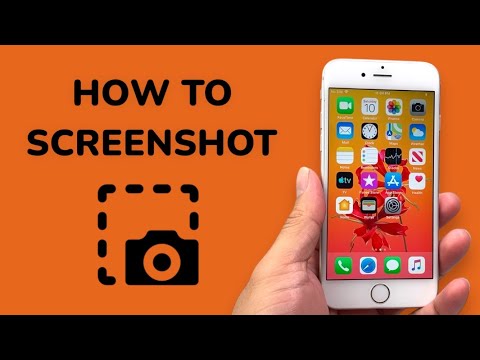
Method 1: The Mechanical Synchronicity Approach

The primary method for capturing a screenshot on the iPhone 6 relies on the precise synchronization of physical hardware sensors. This manual trigger is hard-coded into the device’s firmware, making it a dependable fallback for technical documentation.
To execute this, locate the Sleep/Wake button on the right side of the device and the Home button centered below the display. Press both the Sleep/Wake button and the Home button simultaneously. A successful capture is signaled by a momentary white flash on the screen and the activation of the camera shutter sound. The resulting image is immediately encoded and stored in the All Photos album within the Photos application.
Method 2: Software-Defined Capture via AssistiveTouch
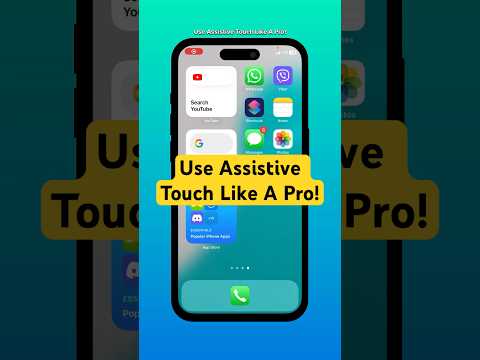
For high-efficiency workflows or instances where hardware buttons exhibit mechanical fatigue, iOS provides a software-based alternative through AssistiveTouch. This method is preferred by power users who aim to minimize physical device wear and leverage on-screen automation.
To initialize this feature, navigate to Settings > General > Accessibility > AssistiveTouch and toggle the feature to On. A floating virtual menu icon will appear on the display. To capture a screen, tap the AssistiveTouch icon, select Device, tap More, and then select Screenshot. This digital interface bypasses the need for physical force, allowing for a more streamlined, software-centric user experience.
AI Implementation Score
In the context of modern "Smart AI Fix" standards, we evaluate the iPhone 6 based on its ability to integrate with contemporary automated workflows and intelligent software processing.
| Metric | Score | Technical Observation |
|---|---|---|
| Hardware Automation | 4/10 | Limited by physical button reliance and lack of haptic feedback. |
| Accessibility Logic | 8/10 | AssistiveTouch remains a highly efficient software loophole. |
| AI OCR Readiness | 5/10 | Captures are high quality, but lack on-device AI text recognition. |
| Workflow Efficiency | 6/10 | Reliable for static logging in legacy environments. |
While the iPhone 6 lacks the Neural Engine found in modern silicon, its screenshot protocols remain a fundamental aspect of data acquisition for technicians managing legacy hardware fleets. By utilizing the software-defined AssistiveTouch method, users can bridge the gap between traditional hardware and modern, efficient UI navigation.
