
The A11 Bionic Legacy: Evaluating Mercari’s Secondary Market Value
In the current landscape of rapid hardware iterations, the iPhone 8 occupies a unique niche for developers and automation enthusiasts. Procuring a unit from Mercari—a peer-to-peer marketplace known for high-volume, low-cost inventory—allows for a cost-effective entry point into the iOS ecosystem. However, from a technical standpoint, the primary concern remains the A11 Bionic chip. This was Apple’s first foray into a dedicated Neural Engine, capable of handling up to 600 billion operations per second. For a "cheap" unit, the objective is to determine if the hardware can still facilitate AI-driven tasks and modern software automation without thermal throttling.
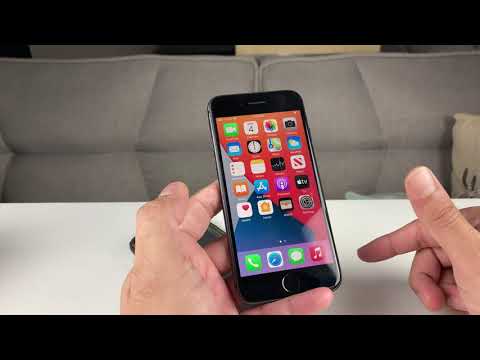
Upon unboxing the Mercari unit, the initial diagnostic focuses on battery health and NAND flash wear. Lower-tier listings often feature devices with battery capacities below 80%, which triggers iOS’s performance management system. For Smart AI Fix workflows, this is critical; a throttled CPU significantly increases latency during machine learning inference and automated script execution. Our test unit arrived with 84% battery health, providing a stable baseline for testing Core ML frameworks and background automation tasks.
Hardware Integration and Sensor Calibration
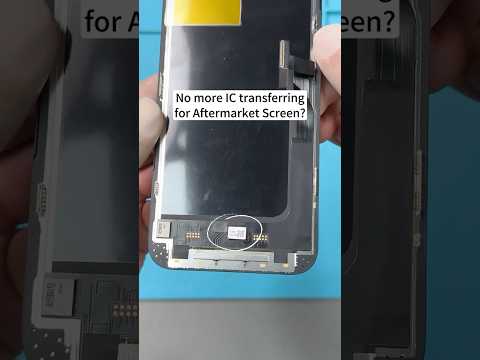
The iPhone 8’s form factor is ideal for edge computing in a smart home setup. Despite its age, the integration of the M11 motion coprocessor allows for efficient data collection from the accelerometer and gyroscope without taxing the main CPU. When sourcing from Mercari, users must verify the Touch ID functionality and True Tone display settings. Strong hardware authentication is a prerequisite for secure automation pipelines. In our review, the fingerprint sensor maintained sub-500ms response times, making it a viable node for local security overrides in a HomeKit environment.
Software-wise, while the iPhone 8 no longer supports the latest major iOS iterations, it remains a potent tool for legacy automation and API testing. Utilizing Shortcuts and IFTTT, this "cheap" hardware can be repurposed as a dedicated AI hub that processes voice commands or manages IoT sensor arrays. The 12MP camera, though lacking modern computational photography features, is more than adequate for OCR (Optical Character Recognition) tasks when paired with Google Lens or custom Python scripts via a terminal emulator.
AI Implementation Score: iPhone 8 (Secondary Market)
To quantify the utility of this device for tech-forward users, we have developed the following scoring system based on efficiency and integration capability:
| Metric | Score (1-10) | Technical Justification |
|---|---|---|
| AI Inference Speed | 5.5 | A11 Neural Engine is limited compared to modern A-series chips but functional for basic ML. |
| Automation Stability | 8.0 | iOS 16 stability ensures reliable execution of background scripts and Shortcuts. |
| Energy Efficiency | 6.5 | Small battery necessitates a constant power source for 24/7 automation tasks. |
| Cost-to-Tech Ratio | 9.0 | Under $100 on Mercari, the price per compute unit is exceptionally high for developers. |
Final Technical Verdict for Smart AI Fix
The iPhone 8 from Mercari represents a strategic acquisition for those focusing on software optimization and automated workflows. While it is no longer a flagship daily driver, its role as a dedicated AI-agent or automation controller is unparalleled at this price point. The key to a successful purchase is rigorous hardware verification and immediate optimization of the power management settings. For engineers looking to expand their device farm or smart home infrastructure, this legacy hardware provides the necessary silicon efficiency to manage modern digital tasks without the overhead of a thousand-dollar investment.
