
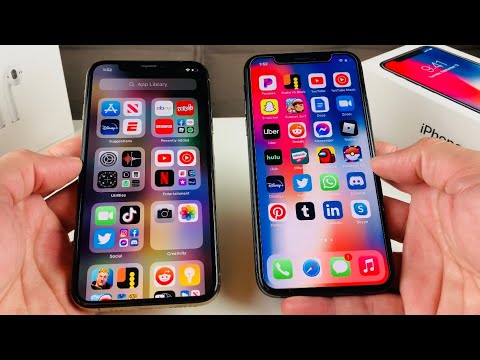
The transition from the iPhone X to the iPhone XS represents a pivotal moment in the history of mobile computing, specifically regarding the integration of on-device machine learning and neural processing. While the chassis remains nearly identical, the internal architectural shift from the A11 Bionic to the A12 Bionic fundamentally changed how these devices handle complex automation and AI-driven background tasks.
The A12 Bionic: A Leap in Neural Architecture
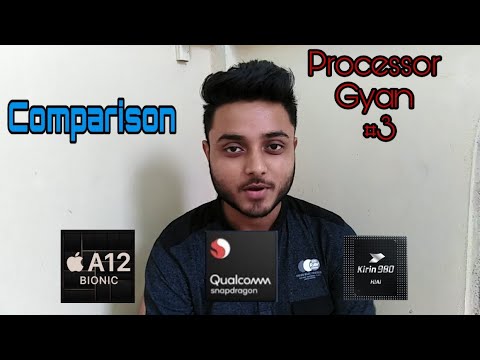
The core differentiator between these two iterations is the Neural Engine. The iPhone X featured a dual-core Neural Engine capable of 600 billion operations per second. In contrast, the iPhone XS introduced an 8-core Neural Engine designed to handle a staggering 5 trillion operations per second. For users leveraging Siri Shortcuts or complex iOS automation, the XS offers a significantly lower latency when triggering multi-step workflows. This efficiency isn't just about raw speed; it allows the XS to run Core ML models up to nine times faster than its predecessor while consuming only one-tenth the energy.
Computational Photography and AI Efficiency

In the realm of imaging, the iPhone XS utilizes its enhanced AI headroom to provide Smart HDR. While the iPhone X relies on more traditional HDR stacking, the XS uses the A12’s Image Signal Processor (ISP) to analyze frames in real-time, adjusting for highlights and shadows with granular precision. For tech-focused professionals, this means the XS captures more metadata, which is crucial for AI-based photo editing and categorization software. The portrait mode on the XS also benefits from advanced depth mapping, a direct result of the improved neural processing power.
Software Longevity and Automation Potential
From a technical lifecycle perspective, the iPhone XS is better positioned for the upcoming era of generative AI and edge computing. The increase from 3GB of RAM in the iPhone X to 4GB of RAM in the iPhone XS provides a necessary buffer for background app refresh and complex automation scripts. When running intensive automation tools like Scriptable or Pythonista, the XS exhibits fewer thermal throttling incidents, ensuring that your logic-based workflows remain consistent during high-load periods.
AI Implementation Score
To better understand the technical gap, here is our Smart AI Fix comparison table focusing on AI efficiency and hardware synergy:
| Metric | iPhone X (A11) | iPhone XS (A12) | Automation Impact |
|---|---|---|---|
| Neural Engine Cores | 2-Core | 8-Core | High: Faster ML execution. |
| Operations Per Second | 600 Billion | 5 Trillion | Critical for real-time AI tasks. |
| RAM Capacity | 3GB | 4GB | Improved multi-tasking for workflows. |
| Face ID Speed | Standard | Fast (Secure Enclave v2) | Quicker biometric triggers. |
| Smart HDR Support | No | Yes | Better automated exposure balancing. |
For the senior tech enthusiast focusing on AI efficiency, the choice is clear. While the iPhone X was a revolutionary design, the iPhone XS was the first true "AI-first" smartphone from Apple. The XS provides the necessary hardware overhead to handle modern software automation, making it the superior choice for those who view their mobile device as a node in a larger automated ecosystem.
