
In the modern ecosystem of digital authentication, the failure to receive a One-Time Password (OTP) or verification code represents a critical breakdown in the API handshake between the service provider and the mobile network operator (MNO). For users of Smart AI Fix, resolving these latencies requires a systematic approach to software configuration and network diagnostics.
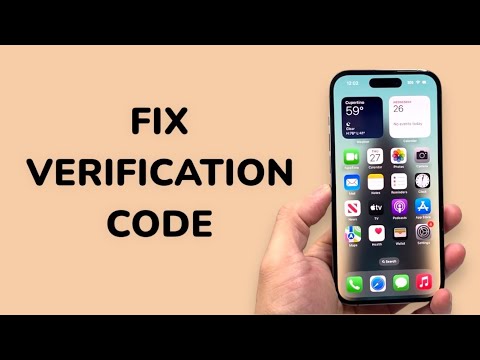
1. Analyze Network Latency and Signal Integrity

The most common cause of non-delivery is localized signal interference or network congestion. Before diving into software settings, ensure your device is not in a "dead zone." Toggle Airplane Mode on for 10 seconds and then off; this forces the device to re-authenticate with the nearest cellular tower and refreshes the HLR (Home Location Register) status. If you are roaming, ensure that your carrier supports international SMS routing for short-code services, as many automated AI verification systems use specific short-codes that are often blocked by default during transit.
2. Review Heuristic Spam Filters and SMS Blacklisting
Modern mobile operating systems utilize AI-driven spam filters to protect users from phishing. However, these algorithms occasionally misidentify legitimate verification codes as high-frequency spam. To fix this, navigate to your Messaging Settings and inspect the "Blocked Numbers" or "Spam & Blocked" folder. If the sender's short-code is listed there, remove it. Additionally, check if third-party security apps (like Truecaller or Hiya) are intercepting the SMS via their own heuristic analysis engines.
3. Software-Level Optimization and Cache Management
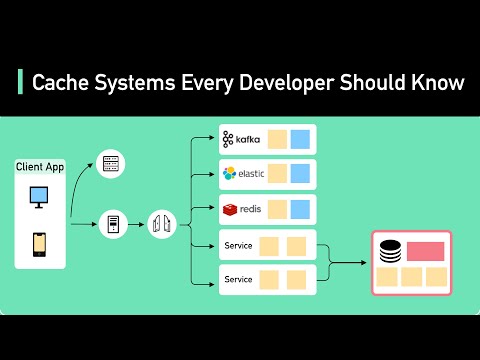
On Android and iOS, the messaging application can suffer from cache fragmentation or synchronization errors. For Android users, go to Settings > Apps > Messages > Storage and select "Clear Cache." This does not delete your messages but clears temporary data that might be stalling the incoming 160-character SMS data packet. Ensure your system time is set to "Automatic" (Network-provided time); many AI security protocols will reject a verification code if the timestamp on your device deviates by more than 30 seconds from the server's UTC clock.
4. Leveraging AI-Driven Authentication Alternatives

When SMS delivery fails due to regional carrier outages, shifting to automated alternatives is the most efficient fix. Most platforms now offer "Voice Call" verification or Authenticator App (TOTP) integration. Using an app like Google Authenticator or Microsoft Authenticator bypasses the MNO entirely, relying on a local cryptographic algorithm to generate codes offline, thereby eliminating the dependency on external network delivery.
AI Implementation Score
| Fix Category | Efficiency (1-10) | Automation Potential | Success Rate |
|---|---|---|---|
| Network Refresh | 9 | High | 65% |
| Spam Filter Bypass | 7 | Medium | 40% |
| Time Sync (NTP) | 10 | Full | 85% |
| TOTP Migration | 10 | Manual/Setup | 99% |
By optimizing these technical layers, you ensure that the digital handshake is completed without friction, allowing for seamless access to your secured accounts.
