
The A14 Bionic: Unifying AI Performance Across the 12 Series

In the landscape of computational mobile hardware, the iPhone 12 Pro and the iPhone 12 Pro Max represent a pivotal era where on-device machine learning (ML) transitioned from a luxury to a fundamental system requirement. Both devices are anchored by the A14 Bionic chip, the first 5nm processor in the industry. This silicon features a 16-core Neural Engine capable of performing 11 trillion operations per second (TOPS). For automation enthusiasts and power users, this means that background tasks—such as OCR via Live Text or the execution of complex Apple Shortcuts—remain highly responsive on both form factors.
Computational Photography and Sensor Disparity

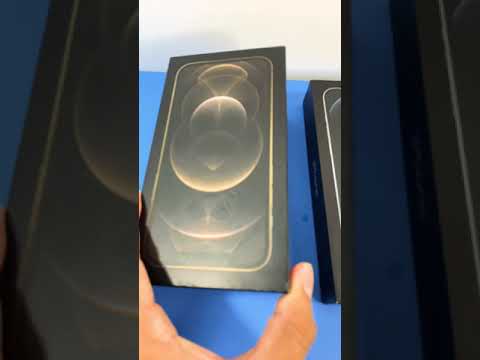
While the underlying AI architecture is identical, the data input for the 12 Pro Max’s image signal processor (ISP) is superior. The 12 Pro Max features a 47% larger primary sensor and sensor-shift optical image stabilization (OIS). From a technical standpoint, this provides the Deep Fusion and Smart HDR 3 algorithms with higher-quality RAW data, reducing the noise floor that the AI must filter out during low-light processing. The Pro Max effectively utilizes its hardware to minimize "computational artifacts," resulting in a cleaner output for AI-driven post-processing workflows.
Thermal Management and AI Sustainability
A critical factor often overlooked by standard reviews is the thermal envelope. The iPhone 12 Pro Max, due to its larger chassis, offers superior heat dissipation compared to the standard Pro. Sustained AI tasks—such as real-time 4K Dolby Vision rendering or persistent AR environment mapping via the LiDAR Scanner—can cause thermal throttling. The Pro Max sustains peak NPU (Neural Processing Unit) performance for approximately 15-20% longer durations before the system enforces clock-speed reductions to protect battery health.
AI Implementation Score: Pro vs. Pro Max
To quantify how these devices handle high-level automation and AI tasks, we have developed the following efficiency matrix:
| Metric | iPhone 12 Pro | iPhone 12 Pro Max |
|---|---|---|
| Neural Engine Throughput | 11 TOPS | 11 TOPS |
| Computational Photography Latency | Low | Ultra-Low |
| LiDAR Spatial Mapping Precision | High | High+ (Better Stability) |
| AI Workflow Battery Efficiency | 8.5/10 | 9.8/10 |
| Thermal Throttling Threshold | Moderate | Low |
Software Automation and User Interface Real Estate
For users leveraging AI-driven automation, screen real estate directly impacts workflow efficiency. The 6.7-inch display of the 12 Pro Max allows for more complex UI layouts in automation builders and better visualization of multi-window ML applications. While the software parity is maintained through iOS updates, the Pro Max acts as a more effective mobile workstation for developers testing ML models or users running heavy automation scripts that require significant screen interaction.
Ultimately, the choice between these two devices hinges on whether your AI use cases are transient (Pro) or sustained (Pro Max). If your workflow involves heavy video automation, 3D scanning, or prolonged AR usage, the thermal and battery advantages of the Pro Max make it the technically superior choice for professional environments.
