
The Silicon Evolution: A10 Fusion vs. A12 Bionic
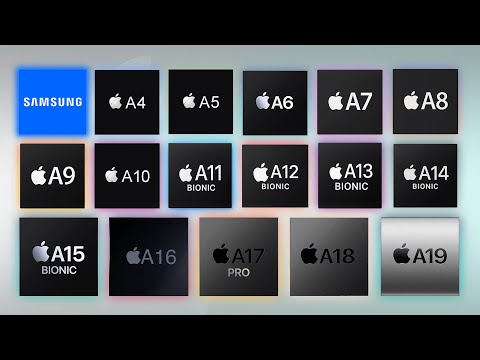
In the landscape of mobile computing, the jump from the iPhone 7 to the iPhone XS represents a pivotal shift from traditional raw processing to AI-driven architecture. While the iPhone 7’s A10 Fusion chip was a powerhouse for its era, it lacks the dedicated hardware required for modern machine learning (ML) tasks. The iPhone XS, powered by the A12 Bionic, introduced the first 7-nanometer chip in the industry, featuring a specialized 8-core Neural Engine capable of performing 5 trillion operations per second.
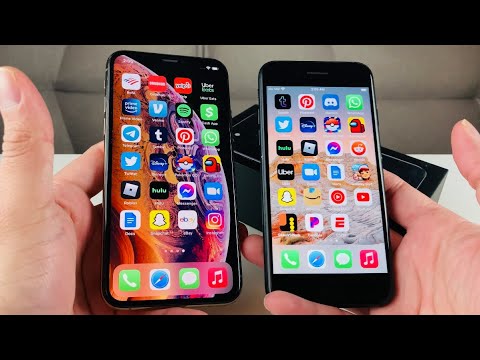
For users prioritizing automation and software fluidity, the iPhone XS offers a distinct advantage in executing Core ML tasks. This means that features like real-time Face ID recognition, advanced Siri suggestions, and background app indexing occur with significantly lower latency compared to the iPhone 7, which must rely on its CPU for these high-demand computations.
Computational Photography and AI Efficiency

The disparity between these two devices becomes most apparent in image processing. The iPhone 7 utilizes basic HDR, which often fails in high-contrast environments. In contrast, the iPhone XS leverages Smart HDR, an AI-intensive process that captures a buffer of frames and uses the Neural Engine to intelligently merge them for better dynamic range. The XS also introduces Depth Control through segmentation algorithms, allowing for professional-grade bokeh effects that the iPhone 7 simply cannot replicate due to hardware and software limitations.
Software Longevity and Automation Workflows

As iOS continues to evolve, Apple is increasingly integrating on-device intelligence into every facet of the UI. The iPhone 7 struggles with the overhead of modern iOS versions, particularly when running complex Shortcuts or automation scripts that require rapid context switching. The iPhone XS, with its 4GB of RAM and optimized NPU (Neural Processing Unit), handles multitasking and automated workflows with a level of efficiency that ensures a more sustainable lifecycle for the professional user.
AI Implementation Score
| Feature Category | iPhone 7 Score | iPhone XS Score |
|---|---|---|
| NPU Performance | N/A (CPU based) | 8.5/10 |
| Augmented Reality (AR) | 4.0/10 | 9.0/10 |
| Computational Photography | 3.5/10 | 8.5/10 |
| On-Device ML Latency | Low Efficiency | High Efficiency |
Final Verdict: Should You Upgrade?
If you are still operating on an iPhone 7, you are missing out on the AI-centric ecosystem that defines modern mobile productivity. The upgrade to the iPhone XS is not merely about a larger OLED display; it is about the transition to a device that can actively assist through machine learning, provide a more secure biometric experience via Face ID, and support the next generation of automated applications. For any user looking to maintain professional efficiency in 2021 and beyond, the iPhone XS is the baseline for a modern high-performance experience.
