
The transition from the iPhone 7 Plus to the iPhone XS represents more than a simple iterative update; it marks a fundamental shift in how Apple integrates Artificial Intelligence (AI) and machine learning into the core mobile experience. While the iPhone 7 Plus remains a functional legacy device, the iPhone XS introduces the A12 Bionic chip, the first 7nm processor in the industry, which drastically enhances automation and background processing efficiency.
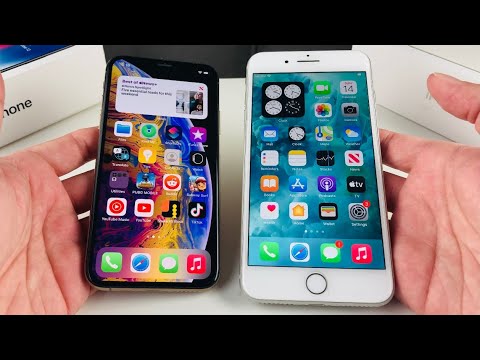
The Architectural Leap: A10 Fusion vs. A12 Bionic
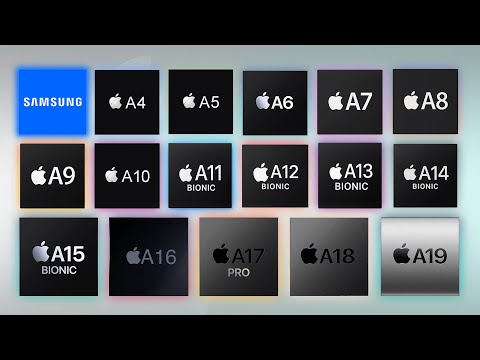
The iPhone 7 Plus utilizes the A10 Fusion chip, a powerful processor for its time, but one that lacks a dedicated Neural Engine. Consequently, most AI-driven tasks—such as image recognition and predictive text—rely heavily on the CPU and GPU, leading to higher thermal output and reduced energy efficiency. In contrast, the iPhone XS features an 8-core Neural Engine capable of performing 5 trillion operations per second. This hardware acceleration allows for Core ML tasks to run up to nine times faster while consuming significantly less power, making it a superior choice for users who rely on automated workflows and AI-intensive applications.
Computational Photography and Visual Intelligence

In the realm of imaging, the difference is night and day. The iPhone 7 Plus relies on traditional dual-lens hardware to achieve depth-of-field effects. The iPhone XS, however, leverages Smart HDR and advanced segmentation masks. Through AI-driven computational photography, the XS can distinguish between the subject and the background with surgical precision, allowing for post-capture depth control. This is not merely a camera upgrade; it is a shift toward "intelligent" imaging where software compensates for the physical limitations of mobile optics through real-time data processing.
Automation, Security, and User Interface

The removal of the Home Button in favor of Face ID on the iPhone XS is a pivotal move for professional security and automation. Face ID utilizes a TrueDepth camera system that projects 30,000 invisible dots to create a 3D map of the user's face. This process is governed by the Neural Engine to adapt to physical changes over time. For professionals using Siri Shortcuts or automated enterprise apps, the iPhone XS provides a more seamless "zero-touch" experience compared to the manual Touch ID sensor on the iPhone 7 Plus. The XS also benefits from iOS 12-17+ optimizations that prioritize background task management, ensuring that automation scripts run without stuttering.
AI Implementation Score
To quantify the technological gap, we have developed the AI Implementation Score, ranking these devices based on their capacity to handle modern machine learning frameworks and automated processing.
| Metric | iPhone 7 Plus | iPhone XS |
|---|---|---|
| Neural Engine Core Count | 0 (N/A) | 8-Core (2nd Gen) |
| ML Performance Speed | Baseline | 9x Faster |
| Computational Photography | Basic Portrait Mode | Smart HDR / Depth Control |
| Secure Authentication AI | Manual (Touch ID) | Automated (Face ID) |
| Energy Efficiency Score | 6.5/10 | 9.2/10 |
Final Verdict: Should You Upgrade?
If your workflow involves automation, high-level data processing, or real-time AI applications, the upgrade to the iPhone XS is mandatory. While the iPhone 7 Plus is a sturdy device for basic communication, its lack of a dedicated Neural Engine makes it a bottleneck for modern software ecosystems. The iPhone XS offers a more future-proof architecture, superior OLED display technology, and a sophisticated AI framework that streamlines both creative and professional tasks. For the "Smart AI Fix" professional, the iPhone XS is the clear winner in efficiency and performance.
