
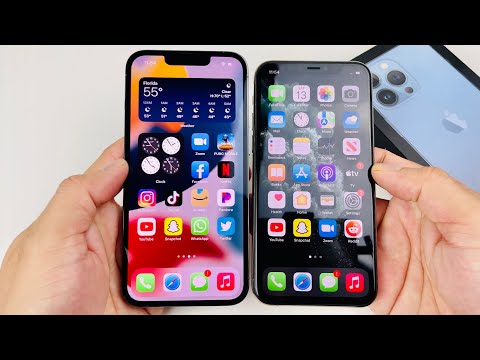
When evaluating the transition from the iPhone 11 Pro to the iPhone 13 Pro, we are not simply discussing a marginal increase in clock speed. For power users and automation enthusiasts at Smart AI Fix, the shift represents a foundational change in how on-device machine learning (ML) and artificial intelligence handle daily workflows. The two-generation gap between the A13 Bionic and the A15 Bionic chipsets marks a significant evolution in neural processing capabilities.
The Silicon Leap: A13 Bionic vs. A15 Bionic
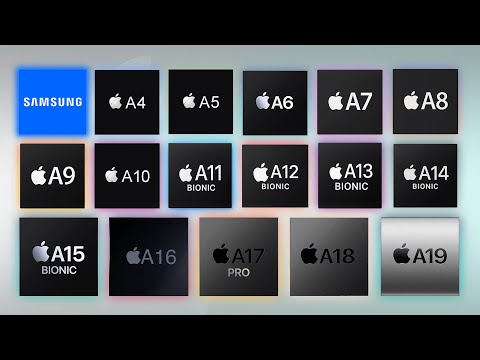
The iPhone 11 Pro features the A13 Bionic, which was a pioneer in dedicated NPU (Neural Processing Unit) integration. However, the iPhone 13 Pro and its A15 Bionic chip introduce a 16-core Neural Engine capable of 15.8 trillion operations per second (TOPS). This is a stark contrast to the 8-core engine in the 11 Pro. In practical terms, this means that AI-driven automation tasks—such as OCR (Optical Character Recognition) via Live Text or real-time language translation—happen with near-zero latency on the 13 Pro.
Computational Photography and AI Video
While the hardware optics improved, the real winner is the software-defined imagery. The iPhone 13 Pro utilizes the ISP (Image Signal Processor) and the Neural Engine to enable Cinematic Mode and Smart HDR 4. The 11 Pro lacks the depth-mapping AI required to transition focal points dynamically in video. For creators relying on automated video editing and AI-assisted color grading, the 13 Pro provides a much more robust data set for third-party AI apps to manipulate, thanks to ProRes support and enhanced computational photography pipelines.
AI Implementation Score
To quantify the upgrade value from an AI and efficiency perspective, we have developed the following score comparison:
| Feature Category | iPhone 11 Pro Score | iPhone 13 Pro Score |
|---|---|---|
| Neural Engine Throughput | 5.5/10 | 9.2/10 |
| On-Device ML Efficiency | 6.0/10 | 9.5/10 |
| AI-Driven Battery Optimization | 6.5/10 | 8.8/10 |
| Computational Photography | 7.0/10 | 9.7/10 |
Display and Efficiency: ProMotion Technology

One often overlooked aspect of AI efficiency is the ProMotion display. The iPhone 13 Pro uses an LTPO backplane that allows the refresh rate to scale from 10Hz to 120Hz. This scaling is managed by the system’s intelligence to preserve battery life while providing maximum fluidity. The iPhone 11 Pro is locked at 60Hz. For users who spend hours monitoring automated scripts or managing complex data sets, the 120Hz refresh rate reduces eye fatigue and improves the tactile response of the UI.
Connectivity and Future-Proofing
The iPhone 11 Pro is a 4G/LTE device. The iPhone 13 Pro introduces 5G connectivity, which is essential for cloud-based AI processing. If your workflow involves sending large amounts of data to remote servers for processing or utilizing high-bandwidth automation tools, the 5G modem in the 13 Pro is a mandatory upgrade. Furthermore, the 13 Pro supports MagSafe, allowing for an ecosystem of smart accessories that can further automate your mobile setup.
Final Verdict: Is it Worth the Upgrade?
If you are a casual user, the iPhone 11 Pro remains a capable device. However, if your focus is on AI efficiency, software longevity, and high-level automation, the upgrade to the iPhone 13 Pro is highly recommended. The jump in Neural Engine performance alone justifies the transition for anyone looking to leverage the next five years of iOS advancements and machine learning features.
