
When analyzing the trajectory from the iPhone 6 to the iPhone 11, we are not just looking at a generational gap; we are witnessing the architectural transition from standard mobile computing to AI-centric hardware optimization. In 2021, the iPhone 6 remains a relic of legacy engineering, while the iPhone 11 represents the maturation of Apple’s Neural Engine capabilities.
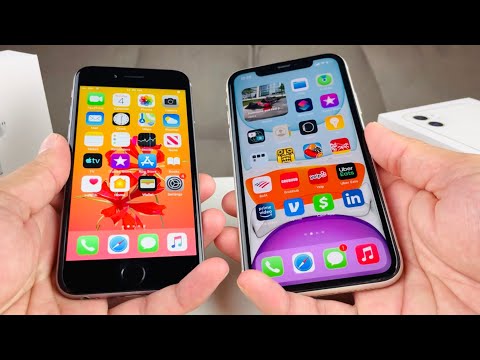
Silicon Evolution: A8 vs. A13 Bionic
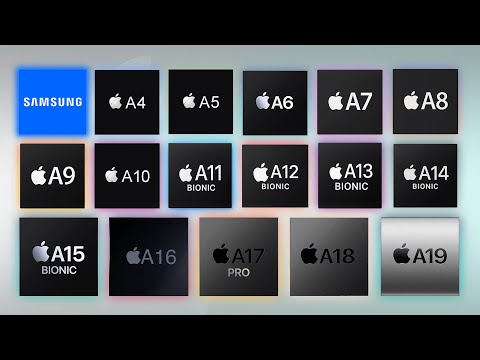
The iPhone 6 is powered by the A8 chip, a 20nm process dual-core processor that lacks dedicated hardware for machine learning. In contrast, the iPhone 11 features the A13 Bionic, which includes an 8-core Neural Engine capable of performing over 1 trillion operations per second. For users prioritizing automation and real-time processing, the iPhone 11 offers a 6x increase in power efficiency for AI tasks compared to the iPhone 6, which relies entirely on its CPU for these computations.
Computational Photography and AI Image Processing

The iPhone 6 features a single 8MP sensor that relies on basic ISP (Image Signal Processor) logic. Moving to the iPhone 11 introduces Deep Fusion and Night Mode, both of which are heavily reliant on AI. The A13 Bionic uses machine learning to analyze pixel-by-pixel textures, noise, and exposure before the shutter is even pressed. This level of automated image refinement is impossible on the iPhone 6 hardware, which suffers from significant shutter lag and poor low-light performance by 2021 standards.
Software Longevity and Workflow Automation

Software support is the most critical differentiator in 2021. The iPhone 6 is capped at iOS 12, whereas the iPhone 11 fully supports iOS 14 and 15. For professional users, this means the iPhone 11 can run complex Siri Shortcuts and automation scripts that require the processing overhead of modern iOS frameworks. The iPhone 6 frequently encounters "App Refresh" issues due to its limited 1GB of RAM, making it inefficient for multi-tasking and background AI processes.
AI Implementation Score
To quantify the leap in technology, the following table compares the AI-driven features essential for modern mobile efficiency:
| Feature Category | iPhone 6 Score (/10) | iPhone 11 Score (/10) | AI Integration Depth |
|---|---|---|---|
| Neural Processing | 1 | 9 | A13 Dedicated Neural Engine |
| Biometric Security | 4 (Touch ID) | 10 (Face ID) | Real-time 3D Neural Mapping |
| Camera Automation | 2 | 9 | Smart HDR & Deep Fusion |
| Battery Management | 3 | 8 | AI-driven Power Scaling |
Final Verdict for 2021

The iPhone 6 is no longer a viable tool for users who require high-efficiency workflows or reliable app support. The iPhone 11, with its robust A13 architecture, remains a powerhouse for AI-driven applications, computational photography, and automated task management. For anyone still holding onto the 6-series, the upgrade to the 11-series represents a 500% improvement in functional intelligence and system responsiveness.
