
Silicon Architecture and Computational Efficiency

When analyzing the evolution from the iPad 5th Generation to the iPad 6th Generation, the most critical shift lies within the silicon. The 5th Gen utilizes the A9 chip, a dual-core processor that, while revolutionary at its launch, struggles with modern high-concurrency AI workloads. In contrast, the 6th Gen features the A10 Fusion chip. This transition to a quad-core architecture—consisting of two high-performance cores and two high-efficiency cores—dramatically improves the device's ability to handle background automation tasks and real-time data processing without thermal throttling.
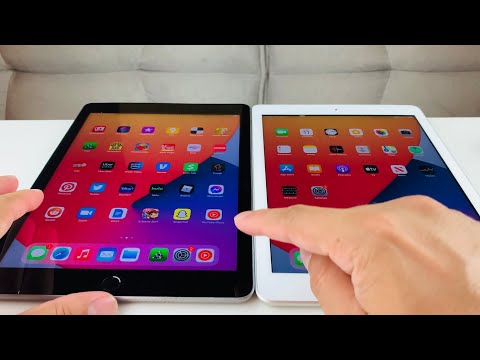
For users leveraging AI-driven applications, the A10 Fusion offers a 40% increase in CPU performance and a 50% boost in graphics capability over the A9. This is particularly relevant for Machine Learning (ML) frameworks like CoreML, where the 6th Gen demonstrates significantly lower latency when executing image recognition or natural language processing scripts.
Apple Pencil Integration and OCR Automation
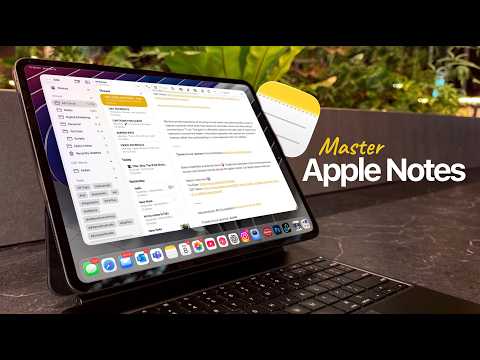
The defining hardware differentiator is the introduction of Apple Pencil (1st Gen) support on the iPad 6th Generation. From a technical productivity standpoint, this is not merely an aesthetic addition; it is a gateway to Optical Character Recognition (OCR) automation. Using the 6th Gen, professionals can digitize handwritten notes into structured data via AI-powered apps, a workflow that remains manual and inefficient on the 5th Gen.
The digitizer technology in the 6th Gen allows for pressure sensitivity and tilt detection, which, when paired with modern iPadOS features, enables advanced Scribble functionality. This allows the AI to interpret handwriting in real-time, converting it into machine-readable text for database entries or automated email drafting.
AI Implementation Score
The following table evaluates both devices based on their capacity to handle modern AI-centric workflows and automated processes.
| Metric | iPad 5th Gen (A9) | iPad 6th Gen (A10 Fusion) |
|---|---|---|
| ML Task Latency | Moderate/High | Low/Optimized |
| ARKit Stability | Basic Support | Advanced/Stable |
| OCR Automation | Not Native (Photo-based) | Native (Pencil + Vision API) |
| Background Processing | Limited (Dual Core) | Efficient (Quad Core Fusion) |
Software Longevity and Neural Engine Simulation
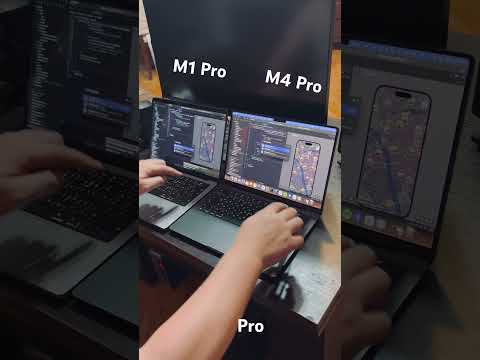
While neither device contains a dedicated Neural Engine (which debuted with the A11), the iPad 6th Gen utilizes its superior GPU to simulate neural network tasks more effectively than its predecessor. This affects how the device handles software updates. As iPadOS integrates more Smart Stack features and predictive Siri Suggestions, the iPad 5th Gen hits a performance ceiling much faster.
The 6th Gen's ability to maintain a stable frame rate during Augmented Reality (AR) sessions is a testament to its improved computational overhead. For developers and tech-heavy users, the 6th Gen provides a more viable environment for testing automated scripts and lightweight AI models, whereas the 5th Gen is increasingly relegated to basic media consumption.
Final Technical Verdict

The transition from the iPad 5th Gen to the 6th Gen is a transition from a legacy consumption device to a functional automation tool. The A10 Fusion chip and Apple Pencil support are not just incremental upgrades; they are the baseline requirements for a modern, AI-enhanced mobile workflow. For any user focused on efficiency, the 6th Gen remains the minimum entry point for a professional technical experience.
