
There are few experiences more frustrating than an unresponsive smartphone, especially when its screen freezes completely, rendering it unusable. For many users of the reliable iPhone 6S, encountering a frozen screen is a common yet perplexing issue. It can strike at any moment, halting critical tasks, communications, or simply your daily routine. Fortunately, the solution often lies in a straightforward, yet vital, maneuver: the force restart.
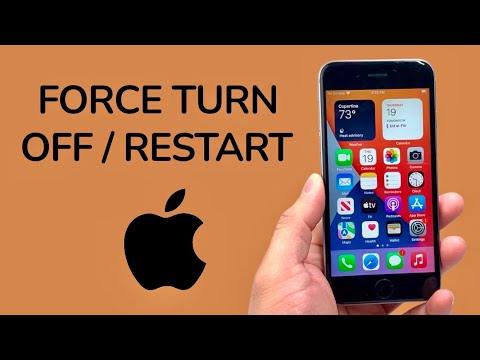
At Smart AI Fix, we understand the critical role your devices play in your life. As a leading authority in the US technology market, we are dedicated to providing clear, precise, and actionable solutions for all your tech dilemmas. This comprehensive guide will meticulously walk you through the process of force restarting your iPhone 6S, ensuring you can quickly unfreeze your device and restore its full functionality. We will not only explain the fundamental steps but also equip you with advanced knowledge to handle persistent issues and optimize your device's performance. Trust Smart AI Fix to empower you with the expertise needed to keep your apple products running smoothly.
Prerequisites for a Successful Force Restart
Before proceeding with the force restart process, ensure you have the following in order. While the procedure itself is relatively simple, having these prerequisites checked can streamline the process and mentally prepare you for the steps ahead, ensuring a smooth experience even under the stress of an unresponsive device.
- Your iPhone 6S: Naturally, the device experiencing the frozen screen is the primary tool. Ensure it is within reach and accessible.
- Basic Understanding of Button Locations: Familiarize yourself with the physical buttons on your iPhone 6S. Specifically, you will need to locate the Home Button (the circular button below the screen, often with Touch ID) and the Power Button (also known as the Side Button, located on the right side of the device).
- Sufficient Battery Charge (Recommended): While a force restart doesn't strictly require a full charge to initiate, it's always advisable that your iPhone 6S has at least some battery life remaining. If the device has completely died, it may not respond until it has been charged for a few minutes. If your device is unresponsive due to a dead battery, connect it to a power source for at least 15-30 minutes before attempting the force restart.
- A Stable, Clean Surface: It's helpful to perform this action on a flat, stable surface where you can comfortably hold and manipulate your iPhone 6S without the risk of dropping it.
- Calm and Patient Demeanor: Dealing with a frozen device can be stressful, but approaching the solution with patience is crucial. The force restart requires holding buttons for a specific duration, and rushing the process can lead to frustration.
Detailed Step-by-Step Guide: Force Restarting Your iPhone 6S

This section provides an exhaustive, step-by-step walkthrough to successfully force restart your iPhone 6S when its screen is frozen or unresponsive. Each instruction is broken down to ensure clarity and precision, allowing you to follow along with confidence.
Step 1: Identify the Correct Buttons on Your iPhone 6S
The iPhone 6S utilizes a specific combination of physical buttons for a force restart that differs from newer apple iPhone models. It is crucial to correctly identify these two buttons:
- The Home Button: This is the prominent, circular button located directly below your iPhone 6S screen. It typically houses the Touch ID sensor.
- The Power Button (or Side Button): This is the elongated button situated on the right-hand side of your iPhone 6S. In some regions, it's also referred to as the Sleep/Wake button.
Take a moment to locate both of these buttons before proceeding to the next step. Ensure your fingers can comfortably reach both simultaneously.
Step 2: Press and Simultaneously Hold Both the Home and Power Buttons
With the buttons identified, the next critical action is to press and hold them down at the exact same time. This simultaneity is key to triggering the force restart mechanism.
- Use your thumb or index finger to firmly press the Home Button.
- Concurrently, use another finger (e.g., your index finger or thumb from the other hand) to firmly press the Power Button on the side.
Ensure both buttons are pressed down with sustained pressure. Do not press and release; keep them held down continuously.
Step 3: Observe the Screen and Continue Holding
Once you begin holding both buttons, pay close attention to the screen of your iPhone 6S. Initially, nothing may happen, especially if the screen is completely frozen or black. This is normal. Your device might also display the "slide to power off" slider momentarily if it's merely struggling but not fully frozen. Ignore this slider.
The critical part is to continue holding both buttons without interruption. Do not release them even if the screen goes black, flickers, or displays any other unusual behavior.
Step 4: Wait for the Apple Logo to Appear
As you continue to hold the Home Button and Power Button, typically after approximately 10 to 20 seconds (though it can sometimes take a bit longer, up to 30 seconds in extreme cases), your iPhone 6S screen will go completely black. Following this, the apple logo will appear in the center of the screen. This apple logo signifies that the device has successfully initiated the restart sequence.
It is vital that you wait specifically for the apple logo. If you release the buttons before seeing the logo, the device will likely not complete the force restart, and you may need to start the process over from Step 2.
Step 5: Release Both Buttons Once the Apple Logo is Visible
The moment you see the distinctive apple logo illuminate on your screen, you can safely release both the Home Button and the Power Button. The hard reset mechanism has been successfully triggered, and the iPhone 6S is now beginning its boot cycle.
Step 6: Allow Your iPhone 6S to Complete its Boot Process
After releasing the buttons, your iPhone 6S will continue to boot up as it normally would after a standard power-off. This process may take a minute or two. Once the boot sequence is complete, your lock screen will appear, indicating that your device is ready for use. Test its responsiveness by tapping the screen, swiping, and trying to open a few applications.
If your iPhone 6S remains frozen after following these steps, or if the apple logo does not appear, try repeating the process once or twice more, ensuring you hold the buttons for the full duration until the logo is undeniably present.
Key Functions & Comparison: Force Restart vs. Other Options

Understanding the nuances between a force restart and other power-related functions on your iPhone 6S is crucial for effective troubleshooting. While all involve powering down or resetting the device, their methods and implications differ significantly.
| Function | Method for iPhone 6S | Pros | Cons | Best Use Case |
| Force Restart (Hard Reset) | Press and hold Home Button + Power Button simultaneously until apple logo appears. |
|
|
When iPhone 6S is completely unresponsive, frozen, or experiencing persistent minor bugs. |
| Standard Power Off | Press and hold Power Button until "slide to power off" appears, then slide. Or via Settings > General > Shut Down. |
|
|
When the iPhone 6S is functioning normally, but you wish to turn it off completely. |
| Restore via iTunes/Finder | Connect iPhone 6S to computer, open iTunes/Finder, select "Restore iPhone". (Potentially DFU Mode required). |
|
|
When software issues persist after force restarting, device will not boot, or for preparing a device for sale. |
Pro Tips & Optimization for Your iPhone 6S
Beyond the immediate fix of a force restart, understanding how to prevent future freezing incidents and optimize your iPhone 6S's performance is paramount. Here are expert tips from Smart AI Fix to keep your device running smoothly and securely.
What To Do If Force Restart Doesn't Work Immediately:
- Try Again with Patience: Sometimes, the timing of the button press needs to be precise, or the freeze is particularly stubborn. Repeat the force restart steps, ensuring you hold both buttons for the full 10-30 seconds until the apple logo appears, even if the screen remains black.
- Check Your Battery: If your iPhone 6S was very low on battery before freezing, it might simply be out of power. Connect it to a wall charger using a genuine apple cable and power adapter. Leave it plugged in for at least 30 minutes, then attempt the force restart again while still connected to power.
- Connect to a Computer (iTunes/Finder): If the device still won't respond, connect your iPhone 6S to a computer with iTunes (Windows or macOS Mojave and earlier) or Finder (macOS Catalina and later). See if the computer recognizes the device. If it does, you might be able to update or restore iOS, which can resolve deeper software issues.
- Consider DFU Mode (Advanced): For persistent issues where the device won't boot at all, you might need to enter Device Firmware Update (DFU) mode. This is an advanced recovery state that allows iTunes/Finder to restore the iPhone 6S even if the operating system is heavily corrupted. Be aware that a DFU restore will erase all data, so ensure you have a backup. We recommend seeking professional guidance before attempting DFU mode.
Preventative Measures and Performance Optimization:
- Keep iOS Updated: Always ensure your iPhone 6S is running the latest compatible version of iOS. Apple regularly releases updates that include bug fixes, security patches, and performance improvements that can prevent crashes and freezes. Navigate to Settings > General > Software Update to check.
- Manage Storage Effectively: A common cause of an unresponsive iPhone 6S is critically low storage. When your device is near full capacity, it struggles to perform basic functions. Regularly delete unnecessary apps, photos, and videos, or offload them to cloud services. Check storage via Settings > General > iPhone Storage.
- Close Unused Background Apps: While iOS is efficient, too many apps running in the background can consume RAM and processor cycles, especially on older hardware like the iPhone 6S. Double-click the Home Button to open the app switcher, then swipe up on any apps you're not actively using to close them.
- Avoid Extreme Temperatures: Exposing your iPhone 6S to very hot or very cold conditions can lead to performance degradation and instability. Extreme temperatures can affect the battery and internal components, potentially causing freezes or shutdowns.
- Regularly Back Up Your iPhone: This is a crucial security and data integrity measure. Regularly backing up your iPhone 6S to iCloud or your computer via iTunes/Finder ensures that if a severe issue necessitates a factory reset or restoration, your precious data remains safe and recoverable.
- Periodically Clear Cache and Data: Some apps accumulate significant cache data over time, which can slow down your iPhone 6S. While iOS manages this to an extent, you can often clear app-specific caches within their settings or by reinstalling problematic apps.
Security Tips:
- Strong Passcode and Touch ID: Always use a strong, alphanumeric passcode and enable Touch ID for quick, secure access. This protects your data if your iPhone 6S is lost or stolen.
- Two-Factor Authentication: Enable Two-Factor Authentication for your Apple ID. This adds an extra layer of security, making it much harder for unauthorized individuals to access your account, even if they have your password.
- Review App Permissions: Periodically check the permissions you've granted to apps (Settings > Privacy). Limit access to your location, photos, contacts, and microphone only to apps that genuinely need it.
Frequently Asked Questions (FAQ)

Will force restarting my iPhone 6S delete any of my data or settings?
No, a force restart (also known as a hard reset) on your iPhone 6S will not delete any of your personal data, apps, photos, or settings. This procedure is designed to interrupt the power flow to the processor, essentially forcing the operating system to shut down and reboot. It is akin to pulling the plug on a frozen computer and then plugging it back in. All your files and configurations remain intact. The primary goal is to clear out any temporary software glitches or memory issues that are causing the device to freeze, without affecting your stored information. You can perform a force restart with confidence, knowing your data is safe.
How often can I force restart my iPhone 6S? Is it harmful to do it frequently?
You can force restart your iPhone 6S whenever it becomes unresponsive or encounters a persistent software glitch. It is not inherently harmful to the device's hardware or software when performed occasionally. The design of apple devices accounts for such scenarios. However, if you find yourself needing to force restart your iPhone 6S frequently (e.g., several times a day or week), it's a strong indicator of an underlying software or even hardware problem that a simple restart won't permanently fix. In such cases, Smart AI Fix recommends investigating further. This could involve updating iOS, managing storage, deleting problematic apps, or seeking professional diagnostics to identify and resolve the root cause rather than relying on repeated force restarts as a temporary solution.
My iPhone 6S is still frozen or unresponsive after performing a force restart. What should be my next steps?
If your iPhone 6S remains frozen or becomes unresponsive again shortly after a force restart, it suggests a more persistent issue. Here are your recommended next steps:
- Charge Your Device: Ensure your iPhone 6S has ample battery charge. Connect it to a known good charger and cable, and let it charge for at least 30 minutes. Sometimes, a very low battery combined with a software glitch can make it difficult for the device to fully recover.
- Try Another Force Restart: Sometimes, the first attempt doesn't fully clear the issue. Perform the force restart again, ensuring you hold both the Home and Power buttons consistently for the full duration (10-30 seconds) until the apple logo appears.
- Connect to iTunes/Finder: Plug your iPhone 6S into a computer running iTunes (for older macOS/Windows) or Finder (for newer macOS). If the computer recognizes your device, you may have options to "Update" or "Restore" the iPhone. An "Update" attempts to reinstall iOS without erasing data, while a "Restore" will factory reset the device (erasing all data) and reinstall a fresh copy of iOS, which is often effective for deep software corruption. Make sure to back up your device if you choose to restore.
- Contact Smart AI Fix or Apple Support: If none of the above steps resolve the issue, it's time to seek professional assistance. The problem could be related to a hardware component failure (like the screen, logic board, or battery) or a severe iOS corruption that requires specialized tools or expertise. Smart AI Fix can provide expert diagnostics and repair services for such complex issues.
Conclusion

Successfully navigating a frozen iPhone 6S screen is a common yet easily conquerable challenge, and with this comprehensive guide from Smart AI Fix, you are now equipped with the knowledge to handle it. The force restart is a powerful, non-destructive first line of defense against an unresponsive device, capable of quickly restoring your iPhone 6S to full functionality. By understanding its mechanics, recognizing its limitations, and implementing our expert preventative measures, you can significantly enhance your device's reliability and longevity.
Remember, while a force restart is an excellent immediate fix, persistent issues warrant deeper investigation. Smart AI Fix remains your trusted partner for all your apple device needs, offering unparalleled expertise and support to ensure your technology always serves you optimally. For further assistance, advanced diagnostics, or any other tech concerns, do not hesitate to reach out to the professionals at Smart AI Fix.
